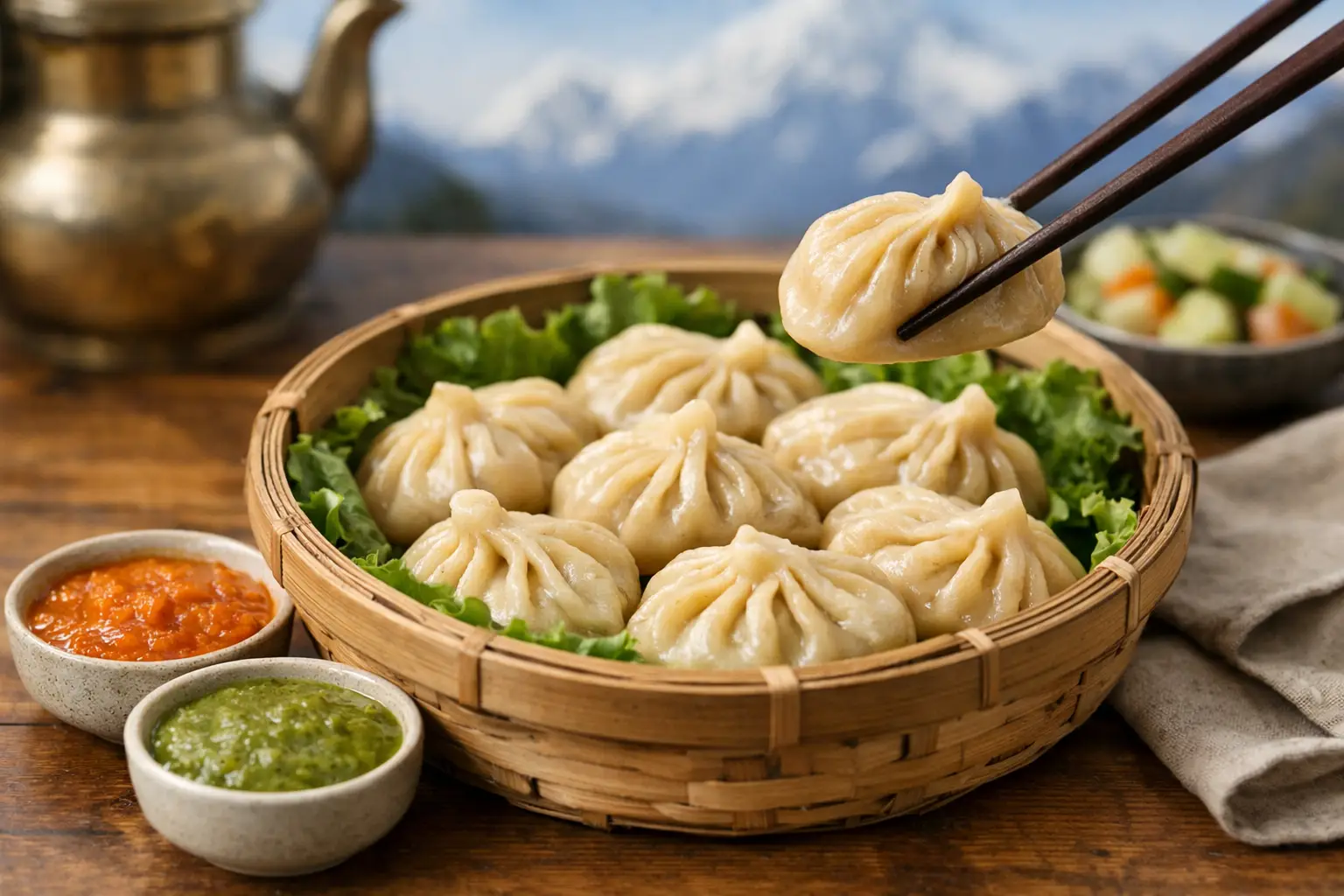

The first bite tells you almost everything. A good momo should arrive hot, delicate but not fragile, with a wrapper that holds its shape and a filling that stays juicy right to the center. In this Nepalese momo review, that balance is the whole story – because when momos are made well, they do not feel like just another dumpling on the menu. They feel personal, comforting, and full of character.
For many guests trying Himalayan food for the first time, momo is the dish that wins them over. It is familiar enough to feel approachable, yet distinct enough to be memorable. That is part of the appeal. A momo can look simple on the plate, but the difference between average and excellent comes down to small details – dough thickness, moisture in the filling, steam timing, seasoning, and the sauce served alongside it.
Nepalese momo review: what makes a good momo?
A strong momo starts with restraint. The wrapper should not be so thick that it turns chewy and heavy, but it also cannot be too thin or it will split before it reaches the table. The best version has a soft bite with just enough structure to hold in the juices. That texture matters more than many diners expect.
Then there is the filling. Traditional Nepalese momo fillings often feature chicken, buff in Nepal, or vegetables, seasoned with ginger, garlic, onion, herbs, and subtle spices that support rather than overpower. A good filling tastes savory and aromatic first. Heat can be added, but spice should never cover up poor balance.
The final piece is the chutney or dipping sauce. This is where momo becomes unmistakably Nepalese. A tomato-based achar with sesame, chili, and warm spices can add brightness, smokiness, heat, and acidity in one spoonful. Without a good sauce, momo can still be pleasant. With the right one, it becomes the plate people talk about long after dinner.
Flavor, texture, and first impressions
The flavor profile of momo is comforting, but never bland. The wrapper is mild by design, which lets the filling and chutney lead. That contrast is part of the experience. You get softness from the dough, richness from the filling, and a bright, spicy lift from the sauce.
In a proper Nepalese momo review, texture deserves as much attention as flavor. A dry filling can make the whole dish feel disappointing, even if the seasoning is correct. On the other hand, a juicy interior with a tender wrapper creates that satisfying moment diners expect from a handmade dumpling. It should feel substantial without becoming dense.
There is also a freshness test that experienced diners notice right away. Freshly prepared momo has a clean, warm aroma and a light surface from steaming. It should not feel gummy, oily, or tired. If the dumplings have been sitting too long, the wrapper toughens and the filling loses its sparkle. Timing is everything.
Chicken, vegetable, and other filling choices
Chicken momo is often the easiest entry point for first-time guests. It is mild, savory, and crowd-friendly, which makes it a smart choice for couples, families, and anyone trying Nepalese food for the first time. Done well, the chicken filling stays moist and well-seasoned rather than compact or overly minced.
Vegetable momo can be just as satisfying, but it depends heavily on balance. Too much cabbage or onion can leave the filling watery, while too little seasoning can make it forgettable. The best vegetable versions have body, a little sweetness from the vegetables, and enough aromatics to keep each bite interesting.
Some diners expect a momo filling to be aggressively spiced because they associate South Asian food with heat. That is not always the point here. A momo is often more about depth than intensity. The sauce usually carries the sharper edge, while the filling stays rounded and savory. That makes it easier to enjoy several pieces in one sitting.
The sauce can make or break the plate
If there is one area where an average dumpling becomes a memorable Nepalese dish, it is the sauce. Momo achar is not just an extra on the side. It is part of the identity of the dish.
A good achar should bring enough heat to wake up the palate, but not so much that it flattens every other flavor. Tomato gives brightness. Sesame adds nuttiness and body. Chili brings fire. Spices add warmth. When these come together, the sauce gives the momo a fuller range than the dumpling alone.
This also creates an important trade-off. Some diners want a bold, spicy dip and others prefer a gentler one. There is no single correct level of heat for every table. For a restaurant serving both locals and visitors, adjustable spice can make the experience more welcoming without losing authenticity. That flexibility matters, especially for families or mixed groups where one person wants serious heat and another wants comfort first.
Steamed vs. fried momo
Most traditional momo lovers prefer steamed. It keeps the dish tender, juicy, and closer to its Himalayan roots. Steamed momo also lets the quality of the wrapper and filling stand on its own, which is why it is often the best test of kitchen skill.
Fried momo has its place, though. The crisp exterior adds texture and can appeal to diners who enjoy a little crunch. It is often a more indulgent version, and some guests simply prefer that richer bite. The trade-off is that frying can mute some of the delicacy that makes momo special in the first place.
For first-timers, steamed is usually the better place to start. Once you understand the baseline, fried momo becomes a variation rather than the definition.
Why momo stands out on a mixed-cuisine menu
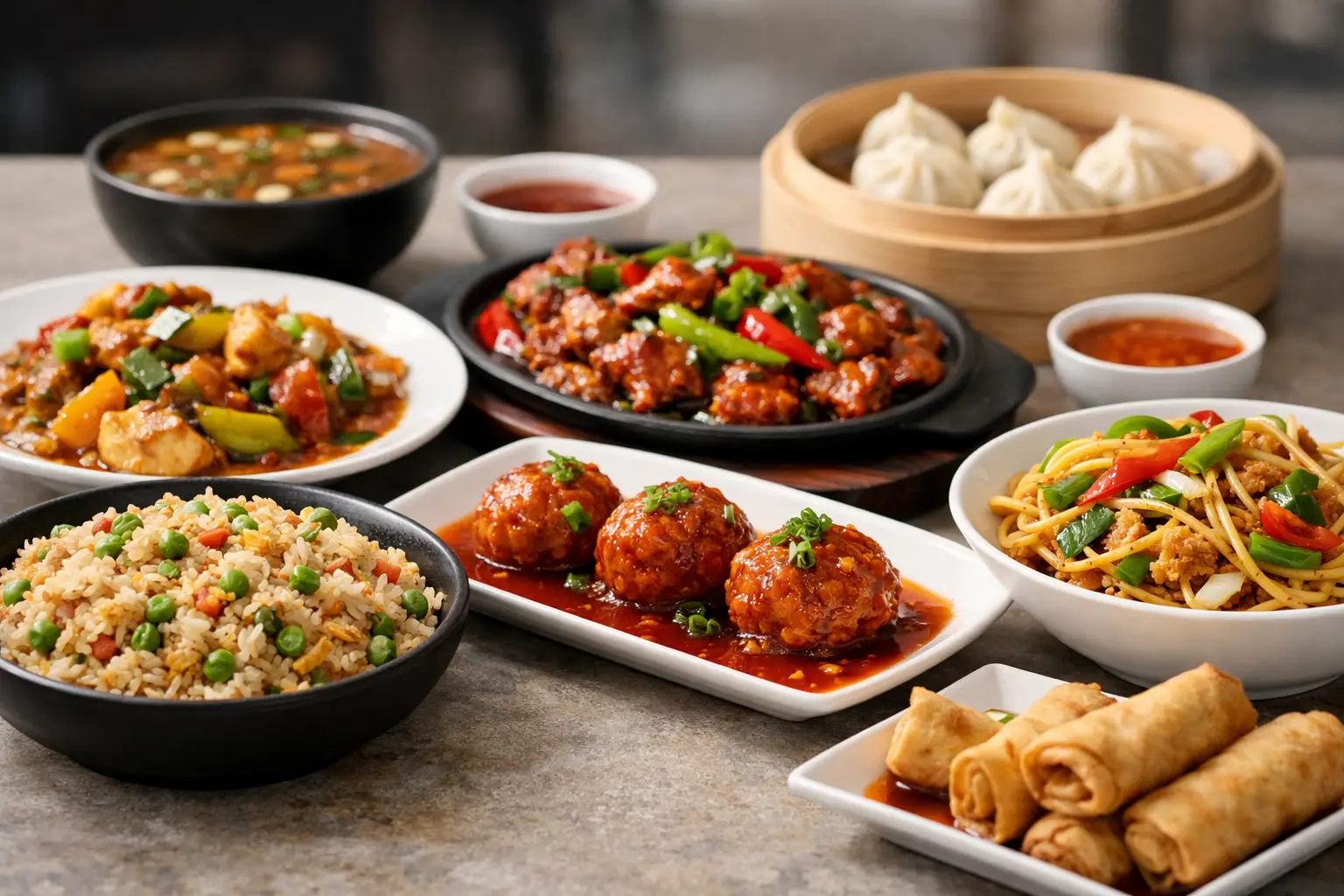
In a restaurant that serves Nepalese, Newari, Indian, and Indo-Chinese dishes, momo often acts as the bridge. It is easy to share, easy to recognize, and easy to love. At the same time, it introduces guests to a distinct culinary tradition that feels different from the curries and stir-fries many already know.
That makes momo especially appealing in a destination dining setting. Visitors want something memorable, but they also want confidence when ordering. Momo gives them both. It feels adventurous without being risky. For local diners, it can become a repeat favorite because it is satisfying enough for a full craving and versatile enough to pair with other dishes.
This is one reason authentic preparation matters so much. If momo is treated like a generic appetizer, it loses the warmth and identity that make it special. When prepared with care, it communicates exactly what guests hope to find in a hospitality-driven restaurant – tradition, flavor, and attention to detail.
Is momo filling enough for a meal?
It depends on how hungry you are and what kind of dining experience you want. As a starter, momo is excellent because it invites sharing and opens the meal with something comforting. For lighter appetites, it can absolutely satisfy on its own, especially with a flavorful sauce and a generous portion.
For bigger appetites, momo works better as part of a broader table. It pairs naturally with noodles, curries, rice dishes, or another Himalayan specialty. That kind of combination turns the meal into more than a quick bite. It becomes a fuller experience, which is exactly what many guests are looking for when they choose a restaurant known for authentic regional cuisine.
At Newa Chopstix, that wider menu context makes momo even more rewarding. It is not competing for attention with unrelated dishes. It sits comfortably within a dining experience built around authentic flavor, warm service, and a meal that feels welcoming from the first plate to the last.
Final take on this Nepalese momo review
Momo earns its reputation because it delivers comfort and character in the same bite. When the wrapper is tender, the filling is juicy, and the achar brings everything to life, it becomes one of those dishes that feels both easy to enjoy and hard to forget. If you are choosing your first Nepalese dish or returning for a favorite, momo is a smart order – and a good reminder that the most satisfying food is often the food made with the most care.