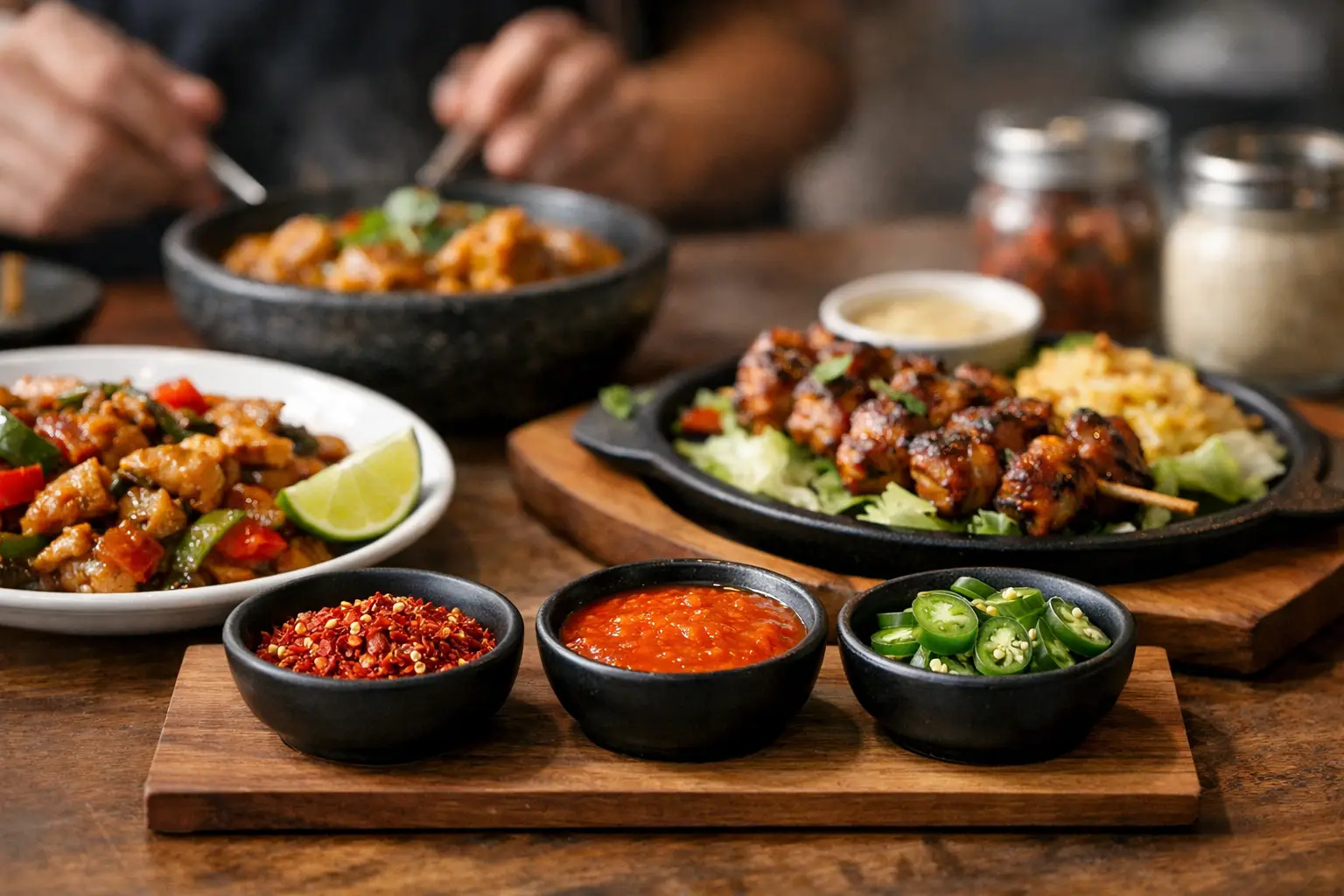

Some guests come in craving a real kick of heat. Others want the same rich flavor with a gentler finish. That is exactly why a restaurant with adjustable spice levels matters. It gives every table the freedom to enjoy authentic food in a way that feels comfortable, exciting, and personal.
At the best restaurants, spice is not used to challenge people just for the sake of it. It is used with care to bring out aroma, depth, and character in each dish. When that spice can be adjusted, more people get to enjoy the full experience, from adventurous diners to families with children, from first-time visitors to lifelong lovers of bold cuisine.
Why a restaurant with adjustable spice levels stands out
Not every guest comes to the table with the same taste preferences. One person may love the warmth of chilies in a curry, while another prefers softer seasoning that lets herbs, garlic, ginger, and slow-cooked sauces shine. A restaurant with adjustable spice levels respects both.
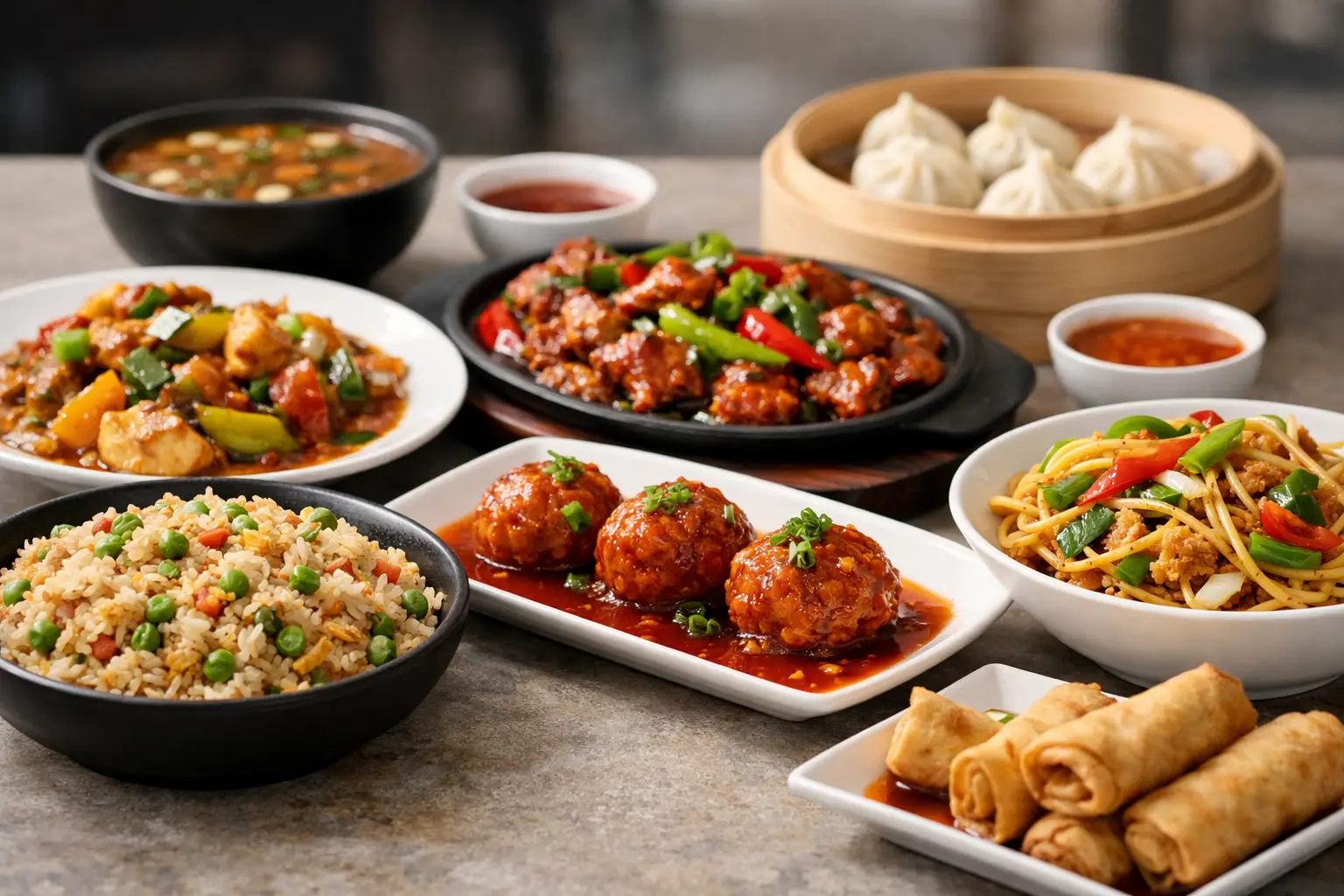
This matters even more when the menu includes cuisines known for layered seasoning, such as Nepalese, Newari, Indian, and Indo-Chinese dishes. These foods are full of personality. The goal should never be to flatten them into something bland, but to serve them in a way that welcomes more diners into the experience.
That balance is where skill shows. Lower spice should still taste complete. Higher spice should still taste intentional. When a kitchen can do both, guests feel taken care of instead of forced to order cautiously.
Flavor should feel personal, not fixed
Dining out is better when guests can order with confidence. If someone is unsure whether a curry, chili chicken, or stir-fried noodle dish will be too hot, they may avoid the dish entirely. Adjustable spice changes that. It turns hesitation into curiosity.
For couples, families, and groups, this flexibility is especially helpful. One table can include a heat-seeker, a guest with a mild palate, and a child who wants familiar comfort without intense spice. Everyone can still share the same cuisine and enjoy the same meal together.
That kind of experience feels welcoming. It says the restaurant is paying attention not only to the food, but also to the people eating it.
Authentic food does not have to mean one heat level
There is a common assumption that authentic cuisine must be served one way only. In reality, experienced chefs understand the difference between preserving authenticity and ignoring guest comfort. Authenticity comes from ingredients, technique, seasoning knowledge, and respect for tradition. It does not disappear simply because the chili level is adjusted.
A well-made momo sauce, curry, noodle dish, or tandoori plate can remain true to its roots while being prepared mild, medium, or hot. The key is knowing how to control the heat without losing the dish’s identity. That takes experience.
In Himalayan and Indian cooking especially, spice is broader than simple heat. Cumin, coriander, turmeric, fenugreek, cardamom, black pepper, garlic, ginger, and chilies each play different roles. A thoughtful kitchen understands how to dial up or down the intensity while protecting the full flavor profile.
What guests should expect from a restaurant with adjustable spice levels
The first thing guests should expect is clarity. If spice can be customized, the staff should make that easy to understand. No one should feel awkward asking for mild food, and no one who loves extra heat should feel limited.
The second is consistency. Adjustable spice only works when the kitchen handles requests carefully. A mild dish should arrive mild, not unpredictably hot. A hot dish should deliver heat with balance, not overwhelm the plate. Consistency builds trust, and trust brings guests back.
The third is guidance. Some guests know exactly what they want. Others need a little help. A good restaurant team can recommend which dishes are naturally gentle, which ones shine at medium heat, and which are best for guests who really enjoy spice. That kind of service makes the meal feel easy from the start.
A better choice for families, groups, and travelers
Flexible spice levels are not just a nice extra. For many diners, they are the reason a restaurant works for the whole group. Families often need a menu that can satisfy different ages at once. Travelers may want to try something authentic without worrying that one wrong order will be too spicy to finish. Groups with mixed preferences need options that keep everyone happy.
This is where a warm, service-minded restaurant makes a strong impression. Guests can try new cuisines without pressure. They can order boldly or keep things gentle. Either way, they still get the comfort of knowing the meal is being prepared with their enjoyment in mind.
That matters in a destination dining market like St. Maarten, where people are often looking for something memorable beyond standard tourist fare. A restaurant that combines authenticity, hospitality, and flexible heat levels gives guests a more relaxed way to explore something different.
Adjustable spice works best when the kitchen knows the cuisine deeply
There is a big difference between simply adding more chili and actually adjusting spice well. Anyone can make a dish hotter. A skilled chef knows how to shape the entire flavor so it still tastes balanced at every level.
That is especially important across a menu with Nepalese, Newari, Indian, and Indo-Chinese specialties. Each cuisine has its own rhythm. Some dishes depend on smoky warmth, some on bright chili notes, some on aromatic spices layered slowly into the sauce. Adjusting the heat while keeping those distinctions clear takes knowledge and discipline.
This is why chef experience matters. A kitchen with real command of its traditions can adapt a dish for the guest without stripping away what makes it special. That is where confidence comes from, both for the restaurant and for the diner.
The dining experience feels more welcoming
Guests remember how a restaurant makes them feel. When the team listens, explains the menu clearly, and prepares food to suit the table, the experience becomes more than a meal. It feels thoughtful.
A restaurant with adjustable spice levels naturally creates that kind of atmosphere. It tells guests that their preferences are not a problem. They are part of the service. For some people, that means ordering something adventurous for the first time. For others, it means returning again because they know the meal will be right every time.
That sense of comfort matters just as much as flavor. A dining room that feels warm and home-like, paired with food that can be personalized, is often what turns first-time visitors into regular guests.
Finding the right restaurant with adjustable spice levels
If you are looking for a restaurant with adjustable spice levels, pay attention to more than the menu alone. Look for signs of real hospitality. Menus with variety, staff who can answer questions, and a kitchen known for authentic preparation are all good indicators.
It also helps to choose a place that welcomes different kinds of diners. A strong restaurant should work for date nights, family dinners, group outings, and visitors trying the cuisine for the first time. Flexibility in spice is most valuable when it comes with broad menu appeal and genuine guest care.
At Newa Chopstix, that approach is part of the experience. Guests can enjoy authentic Himalayan, Indian, and Indo-Chinese flavors in a setting that feels inviting, comfortable, and full of character, with spice levels prepared to match the table.
The best meals are not about proving how much heat you can handle. They are about enjoying food that feels true to its roots and right for your palate, so every bite leaves room for another.