
Some guests ask before they even open the menu – is Indo Chinese spicy, and will it be too hot for the table? The honest answer is yes, it can be spicy, but it is not always fiery. Indo-Chinese food is known for bold flavor, quick wok cooking, savory sauces, and a lively balance of heat, garlic, ginger, and tang. That balance is exactly why so many diners love it.
For families, couples, and travelers trying it for the first time, the better question is not whether Indo-Chinese cuisine is spicy in every case. It is how spicy you want your meal to be. Many dishes can be prepared with a gentler touch or with more heat, depending on your taste. That flexibility makes the cuisine inviting, not intimidating.
What Indo-Chinese flavor is really like
Indo-Chinese cuisine grew from Chinese culinary influence in India, then evolved into something completely its own. The result is not the same as classic Chinese takeout and not the same as traditional Indian cooking either. It brings together soy sauce, vinegar, garlic, ginger, green chilies, pepper, and warming spices in a style that feels fast, aromatic, and full of personality.
What many people notice first is that the food tastes layered rather than simply hot. A dish might be smoky from the wok, slightly tangy from vinegar, rich with garlic, and finished with a chili kick that lingers without overwhelming everything else. In other words, spice is often part of the experience, but it is rarely the whole story.
Is Indo Chinese spicy in every dish?
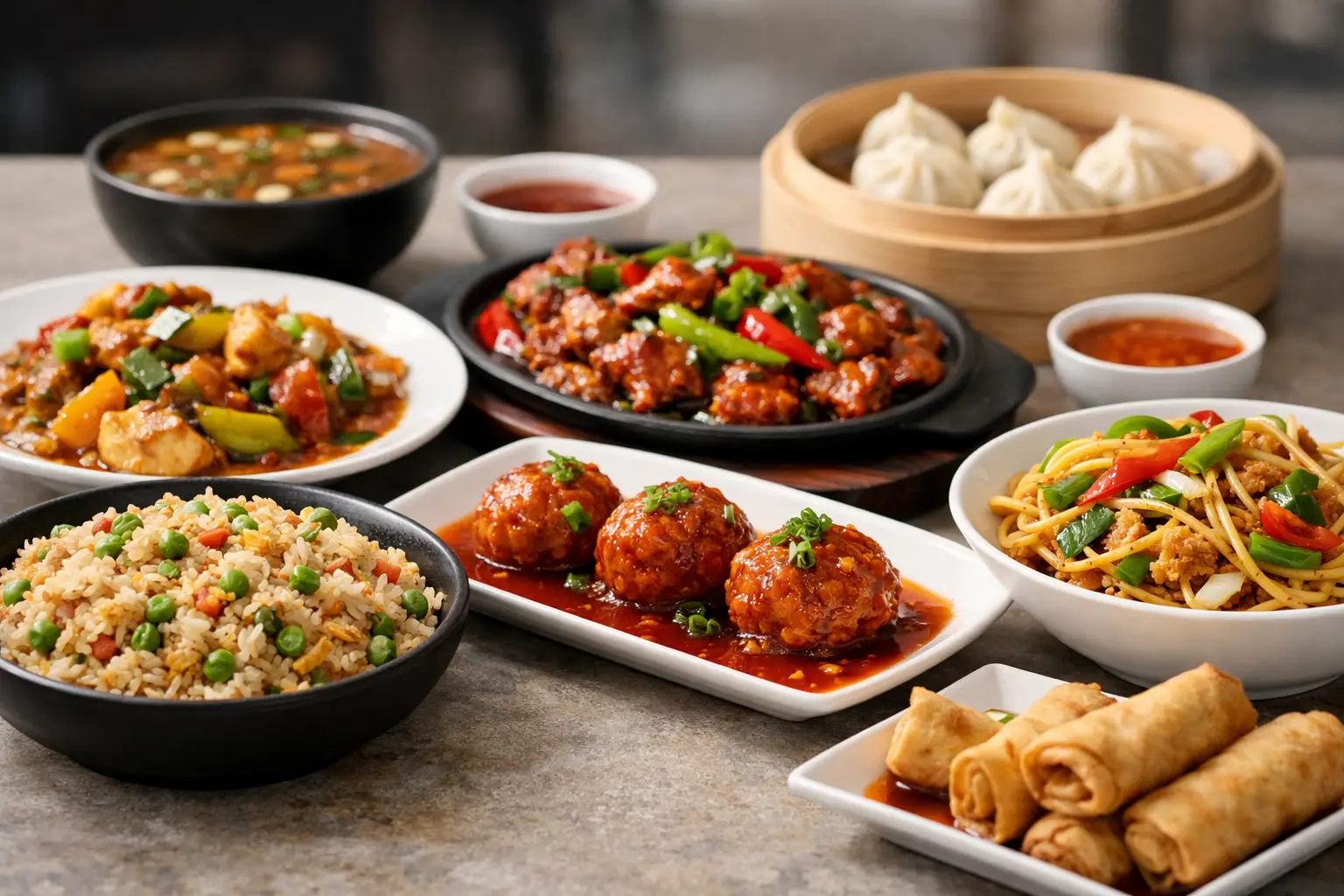
No. Some dishes are naturally mild or moderate, while others are built to deliver more heat. Fried rice, hakka noodles, and many stir-fried dishes often lean savory first, with spice added to preference. Chili-based dishes, on the other hand, usually arrive with more punch.
This is where expectations matter. If you order something with names like chili, schezwan, or hot garlic, you should expect more heat than a simple noodle or fried rice dish. If you choose manchurian in a rich sauce, it may be moderately spicy, but not necessarily intense. The exact heat level depends on the kitchen style and how the dish is prepared.
For many diners, that is good news. Indo-Chinese cuisine gives you room to explore. You can start mild, then work your way into bolder flavors once you know what you enjoy.
Where the heat comes from
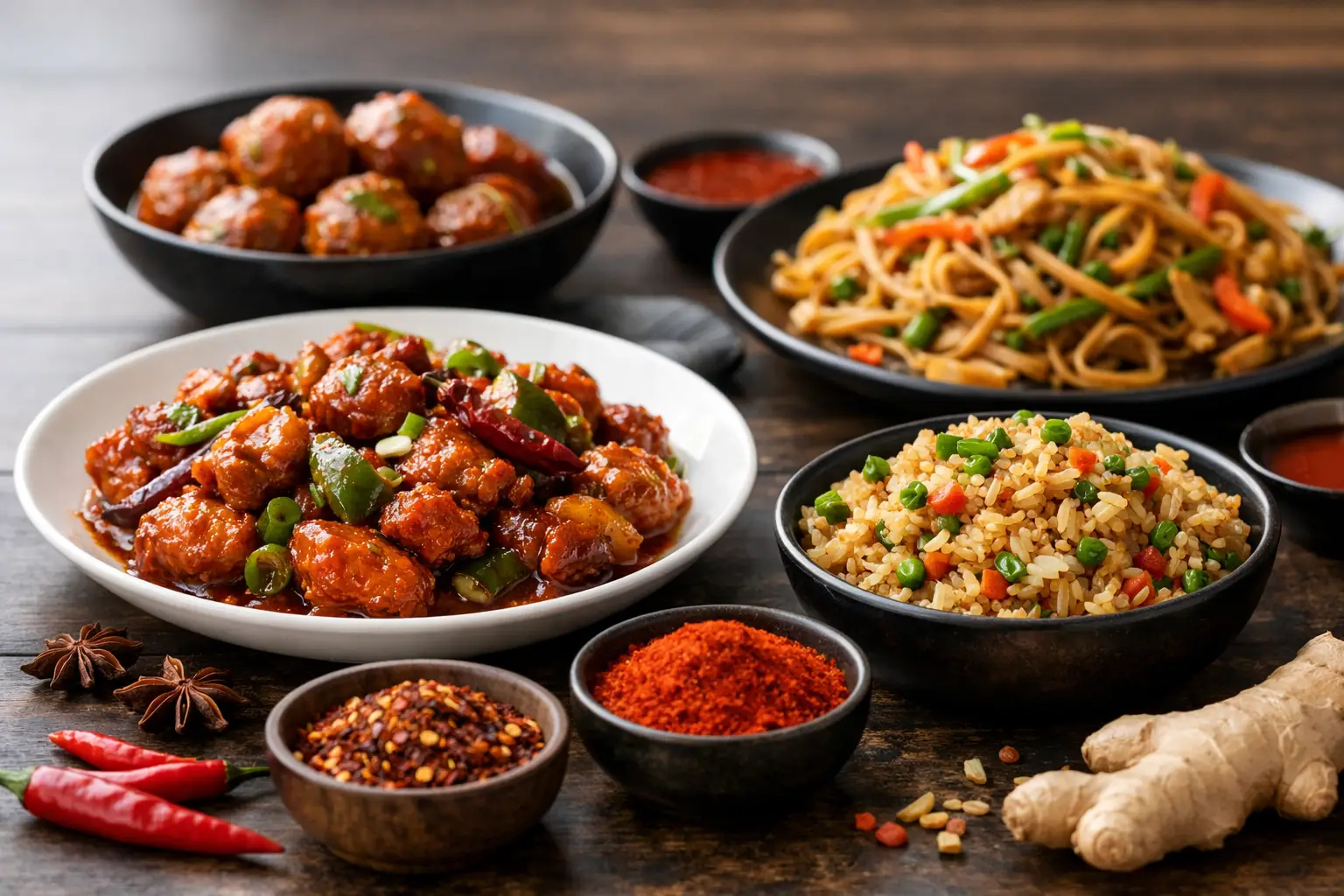
The spice in Indo-Chinese food usually comes from fresh green chilies, red chili sauce, chili paste, black pepper, and sometimes dried chilies. Garlic and ginger also add sharpness, which people sometimes confuse with heat. A dish can feel exciting and full-flavored without being truly spicy.
That difference is worth knowing if you are new to the cuisine. A plate that tastes strong, aromatic, or peppery may not actually be high on the heat scale. At the same time, a glossy red sauce can look intense and turn out to be pleasantly balanced.
Heat also changes from dish to dish because texture plays a role. Dry appetizers often taste sharper and hotter because the spice sits directly on the food. Saucy dishes may feel rounder and easier to manage, even when they include chili.
Dishes that are usually milder
If you want to try Indo-Chinese food without committing to serious heat, there are several approachable choices. Fried rice is often one of the easiest entry points, especially when cooked with vegetables, chicken, or shrimp. Hakka noodles can also be satisfying without being aggressive, since they focus on wok flavor, vegetables, and seasoning more than raw chili.
Spring rolls and lighter stir-fries can be comfortable options too. Even when they include garlic, soy, and pepper, they tend to stay in the mild-to-medium range unless the kitchen is asked to make them hotter.
For children or guests who are cautious with spice, these dishes are often the easiest place to begin. You still get the character of Indo-Chinese cooking, just with a softer landing.
Dishes that usually bring more heat
If you enjoy bolder flavors, this cuisine has plenty to offer. Chili chicken, chili paneer, schezwan noodles, and hot garlic dishes are usually where the spice becomes more noticeable. These are the plates that bring chilies, sauce, and strong aromatics together in a more direct way.
Even then, spicy does not always mean unbearable. Good Indo-Chinese cooking aims for balance. The heat should lift the dish, not bury the flavor. You should still taste the vegetables, the protein, the wok-char, and the sauce.
That is one of the reasons this cuisine appeals to such a wide range of diners. It can satisfy guests who want a real kick while still offering enough control for those who prefer moderate spice.
Mild, medium, or hot – it depends on the kitchen
When people ask, is Indo Chinese spicy, the most useful answer is that it depends on the dish and the chef. One restaurant may prepare chili chicken with a strong green chili bite, while another may focus more on garlic and sauce. The same menu name can feel very different from one kitchen to the next.
That is why communication matters. In a hospitality-driven setting, guests should feel comfortable asking for mild, medium, or hot. A good kitchen understands that spice is personal. Some diners want warmth. Others want a challenge. Many want something in the middle that still lets the full flavor shine.
At a place like Newa Chopstix, that flexibility is part of making guests feel at home. Authentic food does not have to mean one fixed level of heat for everyone at the table. It can still be true to tradition while being adjusted for comfort and enjoyment.
How to order if you are sensitive to spice
If you are curious but cautious, the best move is simple. Ask for a mild version and choose a dish that is not built around chili. Fried rice, noodles, and milder stir-fries are usually safe starting points. You can also ask for sauces on the side if that option is available.
It helps to mention whether you dislike chili heat specifically or just want balanced seasoning. Those are not always the same thing. Some guests want no heat at all. Others are happy with ginger, garlic, and pepper as long as the chilies stay restrained.
If you are ordering for a group, mixing spice levels works well. One mild noodle dish, one medium rice dish, and one bolder entrée often gives everyone something to enjoy. That approach is especially helpful for families and mixed-taste groups.
Why people love the spice when it is done right
The appeal of Indo-Chinese spice is not just intensity. It is energy. The heat wakes up the garlic, brightens the sauces, and gives the wok-cooked ingredients a lively finish. When the balance is right, the dish feels exciting from the first bite to the last.
That excitement is part of what makes Indo-Chinese cuisine memorable for travelers and local diners alike. It feels comforting and adventurous at the same time. You get familiar ingredients, but they arrive with more lift, more aroma, and more personality than expected.
And because the cuisine can be adjusted, it welcomes both the seasoned spice lover and the first-time guest. You do not have to prove anything to enjoy it. You just have to order it in a way that suits your table.
So, is Indo Chinese spicy?
Yes, Indo-Chinese food often has spice, but it is not automatically too spicy for everyone. Some dishes are mild, some are medium, and some are designed to bring real heat. The better way to think about it is flavorful first, spicy when you want it to be.
If you have never tried it before, start with a dish that leans savory and wok-tossed rather than chili-forward. If you already love heat, go for the bolder classics. Either way, the best Indo-Chinese meal should leave you tasting more than spice alone – it should leave you wanting the next bite.