
You can tell a lot about a place by the first dish that hits the table. On a great Nepalese restaurant menu, that moment often starts with steam rising from fresh momos, the aroma of warm spices, and the kind of comfort that makes you want to stay a little longer. For diners in St. Maarten looking for something beyond the usual night out, Nepalese food brings depth, variety, and a genuine sense of hospitality.
Nepalese cuisine has its own identity, even though many guests first notice familiar overlaps with Indian and Indo-Chinese cooking. That is part of the appeal. A well-built menu gives you comforting options you may recognize, then introduces flavors and textures that feel new in the best way. The result is a meal that feels adventurous without ever feeling difficult.
What makes a Nepalese restaurant menu different
A Nepalese restaurant menu is usually shaped by geography, tradition, and balance. Nepal sits between India and Tibet, and its food reflects both influence and independence. You will often see rich curries, hand-formed dumplings, grilled meats, rice dishes, noodle plates, and bright condiments that add heat, tang, or freshness.
What sets it apart is how these elements work together. Nepalese cooking often leans into warmth rather than heaviness. Spices are layered for flavor, not just fire. Herbs, ginger, garlic, tomato, onion, and chilies all play a role, but the goal is usually a rounded dish rather than a one-note spice hit. That matters for families, couples, and groups ordering together, because it means there is usually something for both cautious eaters and diners who want bolder flavor.
Another difference is that many menus reflect everyday comfort as much as celebration food. A good Nepalese meal can feel special enough for a night out and familiar enough to satisfy a simple craving for soup, rice, grilled meat, or noodles. That flexibility is one reason the cuisine works so well in a warm, social dining setting.
Signature dishes on a Nepalese restaurant menu
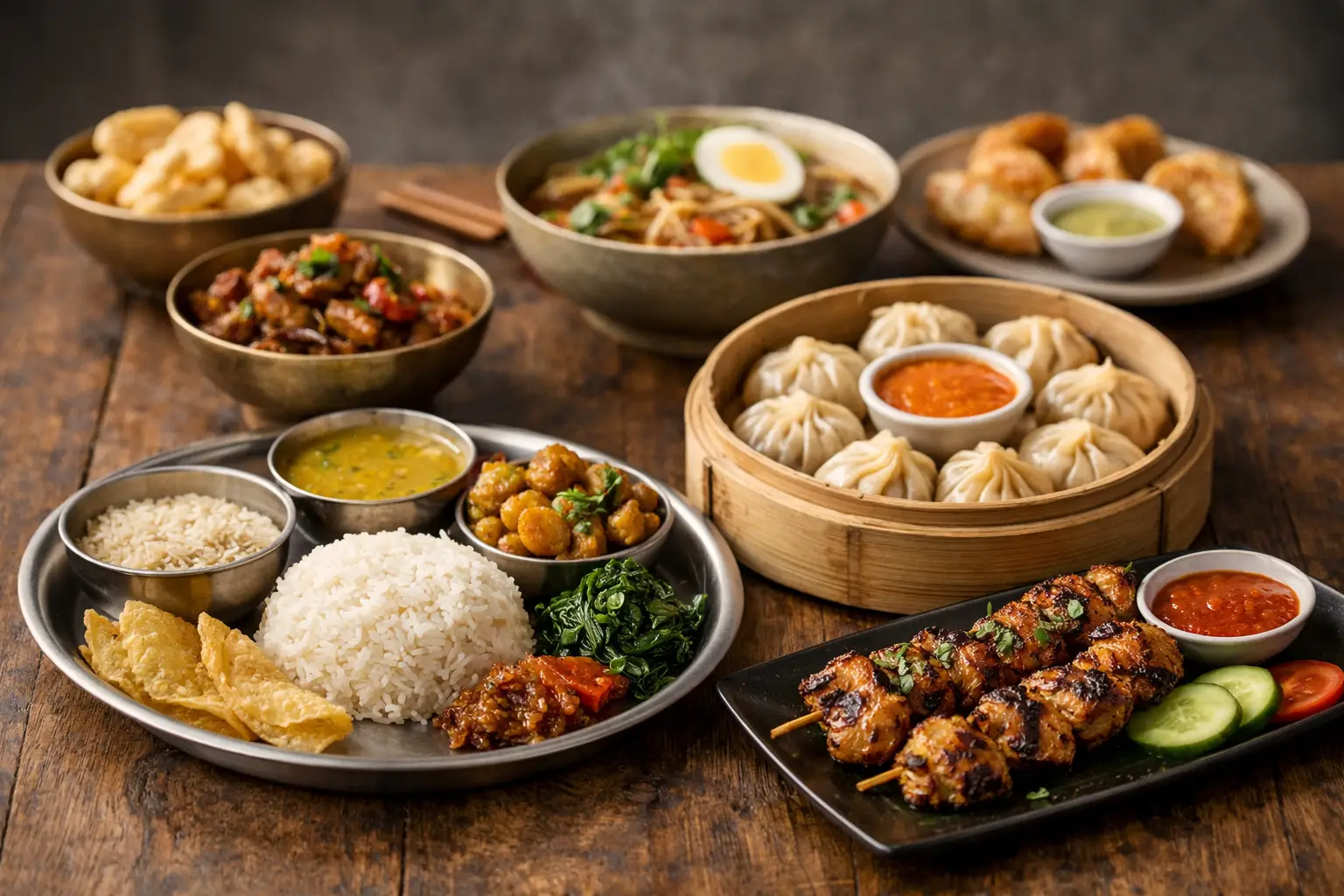
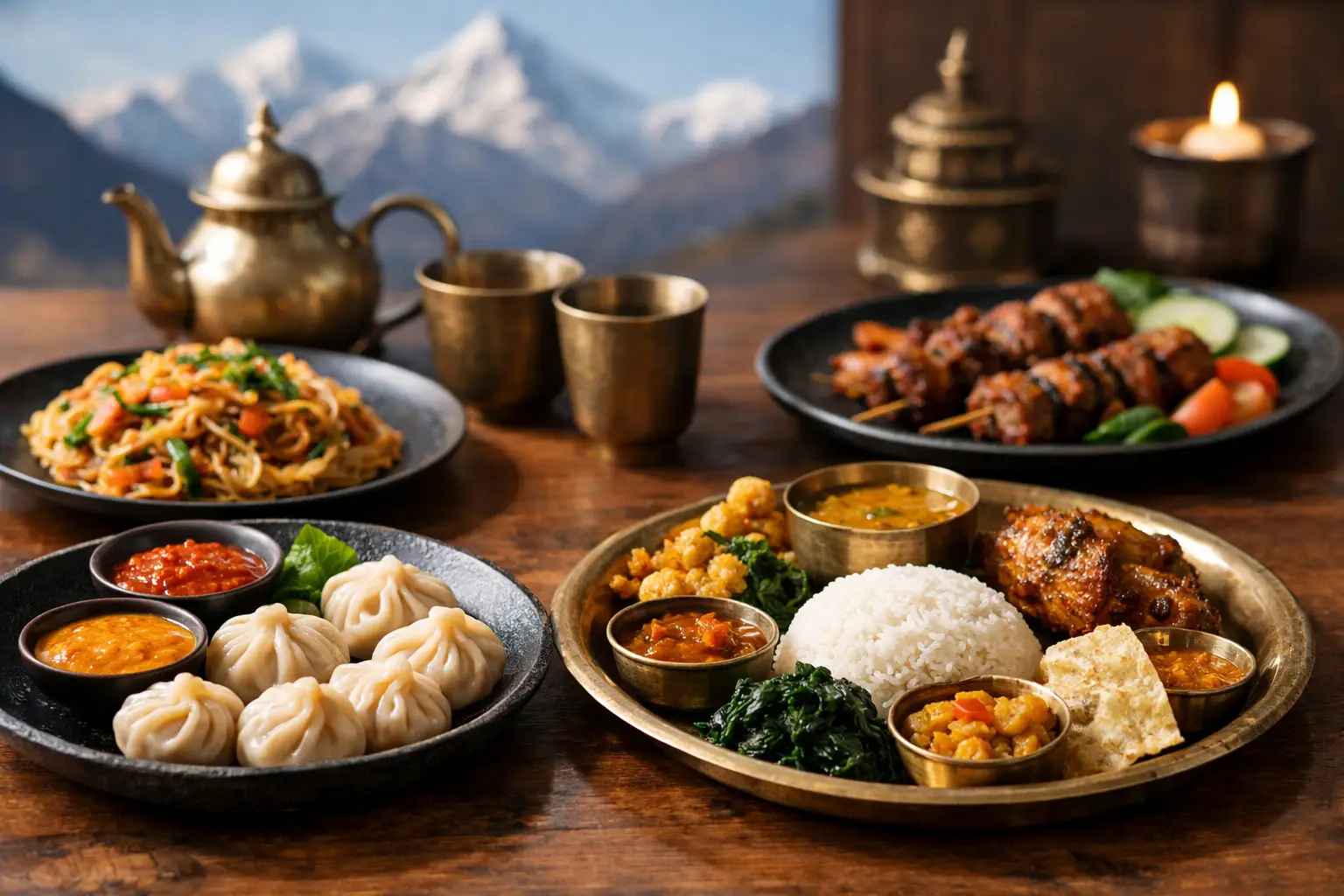
If you are scanning the menu for a starting point, momos are often the right answer. These dumplings are one of the best-known Nepalese dishes and for good reason. They are soft, savory, and deeply satisfying, usually filled with chicken, vegetables, or other seasoned ingredients. Some are steamed for a delicate bite, while others may be fried for extra texture. The dipping sauce matters too. A good momo sauce can add tomato, sesame, chili, and a little tang, which changes the whole experience.
Curries are another central part of the menu, but they are not all the same. Some are tomato-based and gently spiced, while others are creamier or more onion-forward. Chicken curry is often a favorite for first-time guests because it is familiar enough to order confidently while still showing the difference between standard takeout and carefully cooked Himalayan food. Lamb dishes usually bring deeper richness, while vegetable curries can be surprisingly complex when cooked with the right blend of spices.
Rice plates and noodle dishes also deserve attention. Nepalese-style fried rice and chow mein-style noodles often appear on menus that serve both Nepalese and Indo-Chinese cuisine. These dishes are especially popular with groups and families because they are easy to share and easy to match with different spice preferences. They can also be the right choice for guests who want bold flavor without committing to a heavier curry.
Then there are grilled and tandoori-style dishes. While some of these reflect Indian influence, they sit naturally on a broader Nepalese menu because diners often want a mix of smoky, saucy, crisp, and comforting items in one meal. When the kitchen knows how to season and cook with care, these dishes add variety rather than confusion.
Spice levels, balance, and what first-time diners should know
One of the best things about Nepalese food is that it can meet you where you are. If you love heat, there are dishes that bring it. If you prefer mild food, you can still enjoy the layered spices without feeling overwhelmed. That is especially helpful in a restaurant setting where one table may include adventurous eaters, kids, and someone who just wants a comforting chicken dish.
It helps to think of spice in two ways. There is heat from chilies, and there is flavor from the spice blend itself. A dish can be rich with cumin, coriander, turmeric, ginger, and garlic without being very hot. That distinction is important because many guests hear “spiced” and assume “very spicy.” On a strong menu, there is room for both.
If you are ordering for the first time, a balanced meal usually works better than choosing all heavy dishes. Dumplings, one curry, one rice or noodle plate, and a grilled item can give the table a fuller picture of the cuisine. You get contrast in texture and flavor, and everyone gets something they enjoy.
How to read the menu with confidence
A Nepalese restaurant menu can look broad at first glance, especially when it includes Newari, Indian, and Indo-Chinese favorites alongside classic Nepalese dishes. That is not a drawback. It is often a sign that the restaurant understands how people actually dine – in groups, with different cravings, and with varying comfort levels.
Start by deciding what kind of meal you want. If you are in the mood for comfort, lean toward momos, curry, and rice. If you want something lively and shareable, add noodles, appetizers, and grilled plates for the table. If you are dining with family, mixing familiar dishes with one or two more traditional options usually gives the best experience.
This is also where attentive hospitality matters. A menu should never feel like a test. In a welcoming dining room, guests can ask questions, adjust spice levels, and get guidance based on what they already like. That makes trying a new cuisine feel easy rather than uncertain.
Why variety matters on a Nepalese restaurant menu
Not every diner comes in looking for the same thing. Some want an authentic dish they have been craving. Others want a relaxed dinner with a dependable chicken entrée, a side of rice, and something sweet at the end. Tourists may want a memorable meal that feels distinct from standard vacation dining, while local families may need a place where everyone from children to grandparents can find something satisfying.
That is why variety matters. A thoughtful menu can honor tradition while still being practical for the people it serves. It can offer dumplings and Newari flavors for guests seeking authenticity, then include curries, fried rice, noodles, and milder options for diners who want familiarity. When that range is handled well, it does not dilute the identity of the restaurant. It strengthens it.
At Newa Chopstix, that balance is part of the experience. Guests can enjoy authentic Himalayan flavors in a setting that feels warm, relaxed, and welcoming, whether they are dining in for a special night out or ordering a family meal to enjoy at home.
The best Nepalese restaurant menu is about more than dishes
Great food gets people through the door. The full experience brings them back. A memorable Nepalese meal is not only about what is cooked, but how it is served, explained, and shared. The right setting makes guests feel comfortable trying something new. The right service helps them tailor heat levels, pair dishes well, and order with confidence.
That matters even more in a place where dining is part of the outing. In a Caribbean setting, people are often looking for more than a quick meal. They want flavor, atmosphere, and the feeling that they found somewhere worth recommending. A restaurant that delivers authentic food with genuine hospitality stands out for exactly that reason.
If you have never ordered from a Nepalese restaurant menu before, start with curiosity, not caution. Choose one dish you know you will enjoy, one that feels new, and let the meal build from there. The best menus make that easy, and the best restaurants make it feel like home from the first bite.