
Some dinners can be spontaneous. A great Indian dinner usually feels better when it is planned. If you want to reserve table for indian dinner, you are not just claiming a seat – you are making room for the full experience: time to settle in, order thoughtfully, share dishes, and enjoy a meal that deserves more than a rushed decision.
For couples, families, vacation groups, and local diners alike, a reservation can turn a good night into an easy one. That matters even more when you are choosing a restaurant known for layered flavors, warm hospitality, and a menu broad enough to satisfy both adventurous eaters and guests who simply want a comforting favorite.
Why reserve table for indian dinner ahead of time
Indian dining is often at its best when the table has time to linger. Guests tend to browse the menu a little longer, ask questions about spice levels, and order a mix of appetizers, curries, breads, rice, and drinks to share. That style of dining is part of the pleasure, but it also means busy dinner hours can fill up quickly.
Reserving ahead helps in a few practical ways. It reduces waiting, which is especially helpful if you are traveling with children, meeting friends on a schedule, or planning a relaxed date night. It also gives the restaurant a better sense of your group size and timing, which can improve the flow of service from the moment you arrive.
There is also a comfort factor people often overlook. When your table is already set, the evening starts calmer. You are not deciding whether to wait, move on, or split the group. You can walk in ready to enjoy the atmosphere, order with confidence, and focus on the meal.
When a reservation matters most
Not every night carries the same demand. If you are dining on a weekend, during a holiday period, or while visiting a busy tourism destination, a reservation becomes much more valuable. Dinner peaks tend to attract couples, families, and larger groups at the same time, and that can make prime seating windows go quickly.
Early evening can be a smart choice for families and guests who prefer a quieter pace. Later reservations often suit date nights or groups looking to enjoy drinks and a longer evening. Neither option is better across the board – it depends on the kind of night you want.
If your group is larger than four, booking ahead is less of a suggestion and more of a wise move. Larger tables need more coordination, and the best restaurants want to prepare properly so everyone is seated comfortably rather than squeezed into a setup that feels improvised.
What to know before you book
A reservation works best when it includes more than a name and time. A little detail upfront can make the dinner smoother for both you and the restaurant.
Start with your group size and be as accurate as possible. If there is a chance the number may change, mention that when booking. A table for two and a table for six create very different planning needs, especially in a dining room designed to keep service attentive and comfortable.
Then think about the makeup of your party. If you are bringing young children, older family members, or guests with mobility concerns, sharing that information can help with seating choices. The same applies if you are celebrating something special and want the evening to feel a little more personal.
Food preferences matter too. Indian cuisine offers a wide range of flavors, textures, and heat levels, but not every guest has the same comfort zone. Some want bold spice, some prefer mild dishes, and some are simply trying the cuisine for the first time. A good restaurant can guide that experience more easily when it knows what kind of table is arriving.
Choosing the right restaurant for Indian dinner
A reservation only solves part of the equation. The more important question is where you are booking.
If you are planning an Indian dinner, look for a place that values authenticity but also makes guests feel at ease. The best experience usually comes from restaurants that understand both tradition and hospitality. That means balanced seasoning, careful preparation, a menu with real variety, and service that welcomes questions instead of rushing guests through the ordering process.
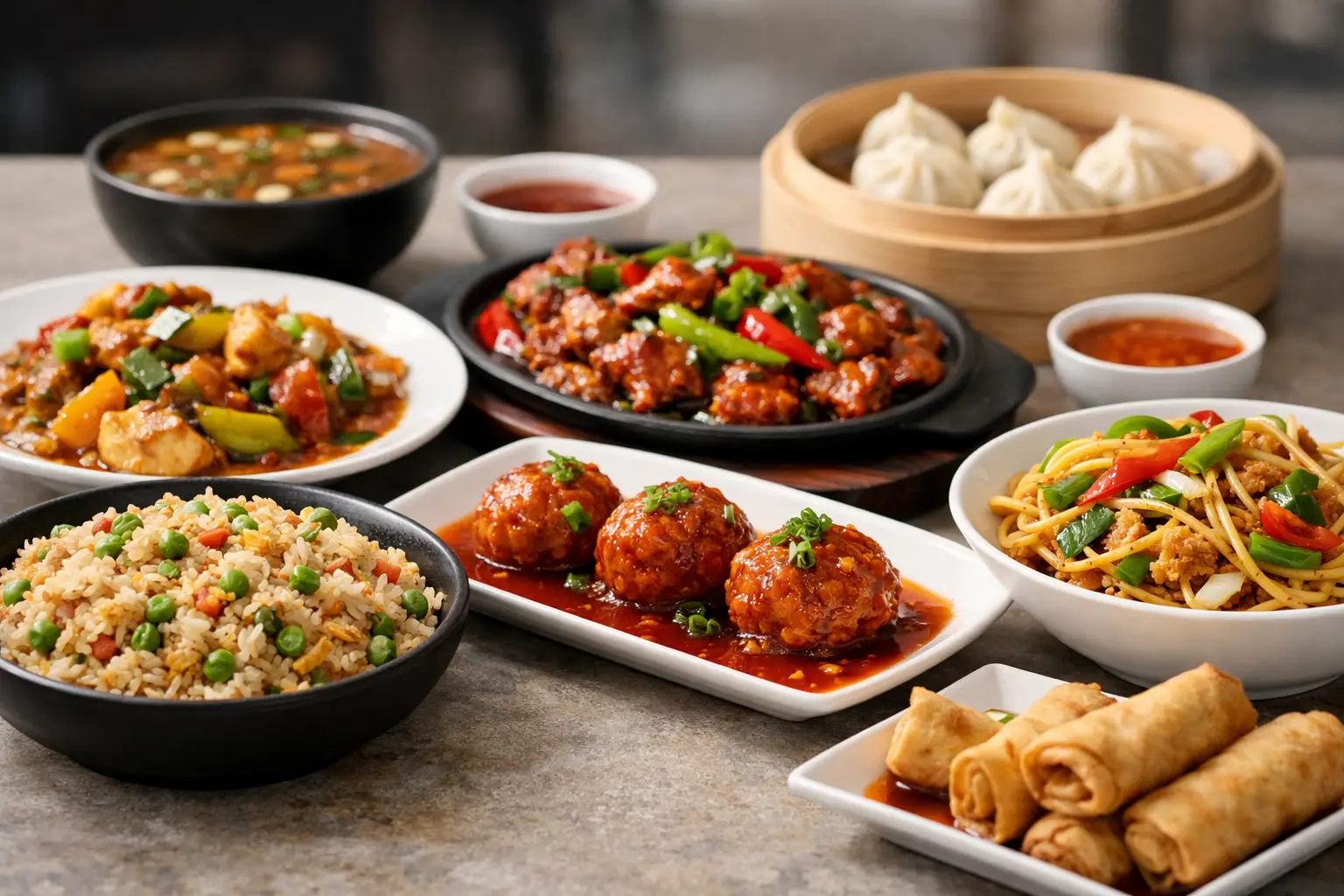
Menu range is worth paying attention to. Some diners want classic curries and naan. Others are looking for tandoori dishes, vegetarian options, Indo-Chinese flavors, or something more distinctive from the Himalayan region. A broader menu gives your group flexibility, which is especially useful when different tastes and spice preferences are sitting at the same table.
Atmosphere matters just as much as the food. If the room feels warm, inviting, and unforced, dinner becomes more memorable. You want a place where sharing dishes feels natural, where families are comfortable, and where couples can still enjoy a special evening.
How to reserve table for indian dinner without guesswork
The simplest approach is usually the best one. Book as early as you reasonably can, especially for Friday and Saturday evenings. A day or two ahead may be enough on quieter weeks, but for busier periods, giving more notice is the safer choice.
When you make the reservation, confirm the basics clearly: date, time, number of guests, and any special notes. If your plans change, let the restaurant know. That small courtesy helps them manage the dining room well and often makes it easier to accommodate you if you need to shift your time.
It also helps to arrive on time or close to it. Restaurants hold tables as a service to guests, but timing affects the full evening schedule. If you are running late, a quick call can make a real difference.
For visitors exploring St. Maarten and looking for a memorable dinner, Newa Chopstix offers the kind of setting where a reservation makes sense – authentic Nepalese, Newari, Indian, and Indo-Chinese flavors, flexible spice levels, family-friendly choices, and a welcoming room that feels comfortable from the moment you sit down.
Making the most of the dinner once you arrive
A reservation gets you in the door, but a better dinner comes from how you order and share the experience.
If your table includes first-time Indian food guests, start with a mix. Choose one familiar dish, one richer curry, one grilled or tandoori item, breads for the table, and rice to balance everything out. That approach gives everyone something comfortable while still leaving room to try new flavors.
Ask about spice levels rather than assuming. Some dishes are meant to carry heat, while others lean more aromatic than spicy. A restaurant that offers customization can help each guest land at the right level. That is especially useful for mixed groups where one person wants extra fire and another wants something mild.
Sharing is often the best strategy for Indian dinner, but not always. Some groups love ordering for the table, while others prefer individual entrees with a few shared starters. It depends on your occasion. A family meal may call for generous sharing. A business dinner or date night may feel more comfortable with a mix of personal plates and a few common dishes.
Common reservation mistakes to avoid
The biggest mistake is waiting too long and assuming there will be space. That can work on a quiet night, but it is risky if you have a group, a schedule, or a specific restaurant in mind.
Another issue is underestimating the meal itself. Indian dinner is rarely a grab-and-go type of experience when done well. Guests order in courses, talk through the menu, and often stay for dessert or drinks. If you book too late in the evening with expectations of a fast meal, the pacing may feel tighter than you wanted.
It is also easy to forget to mention dietary needs. Vegetarian preferences, allergies, and spice sensitivity should not be afterthoughts. Bringing them up when reserving helps the restaurant serve you better.
Finally, avoid treating every Indian restaurant as interchangeable. They are not. Some lean casual and quick. Others focus on a fuller, more hospitable dinner service. Knowing which experience you want is part of booking wisely.
A reservation should feel like the start of the evening
The best reason to reserve an Indian dinner table is not just convenience. It is the chance to give the night the right rhythm from the beginning. Good food deserves a little anticipation, and great hospitality feels even better when your place is ready and waiting.
Whether you are planning a family outing, a vacation dinner, or a quiet evening for two, reserving ahead gives you one less thing to manage and one more reason to relax when you arrive. If the meal matters, the reservation does too.