
A plate of momo can tell you very quickly what kind of kitchen you are sitting in. If the wrapper is too thick, the filling flat, or the seasoning one-note, you notice it right away. But when the texture is delicate, the spice is balanced, and every bite feels intentional, that is where chef driven Nepalese cuisine begins to separate itself from the ordinary.
For diners in St. Maarten, that difference matters. Many guests are not just looking for “something spicy” or another version of familiar takeout. They want food with character, care, and a sense of place. Nepalese cooking offers exactly that when it is guided by a chef who understands tradition, technique, and how to create a meal that feels both exciting and welcoming.
What chef driven Nepalese cuisine really means
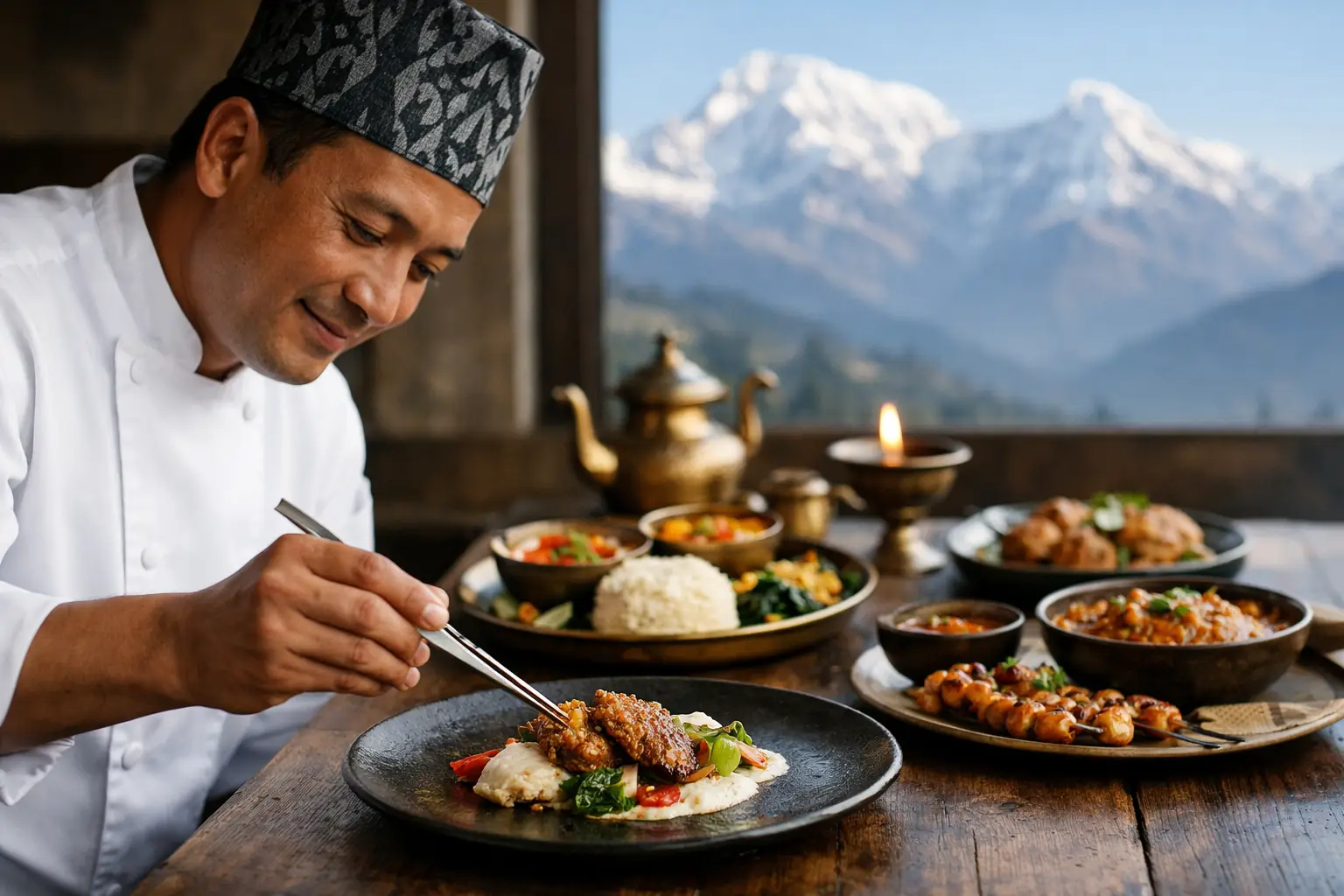
Chef driven Nepalese cuisine is not about making food complicated. It is about making it thoughtful. In the right hands, classic Himalayan dishes stay true to their roots while being prepared with consistency, balance, and respect.
That starts with understanding the layers inside Nepalese food. It is not one flat style of cooking. Nepal brings together influences from the mountains, the Kathmandu Valley, neighboring India, Tibet, and regional communities such as the Newars, whose food traditions are especially rich in texture, spice, and celebration dishes. A chef-led kitchen knows those distinctions matter.
It also means the food is not built around shortcuts. Spice is measured for depth, not just heat. Sauces are developed to support the main ingredient instead of covering it. Dumplings are shaped with care. Meats are marinated with purpose. Vegetarian dishes are treated with the same attention as the most popular meat entrées.
For guests, the result is simple. The meal tastes more complete.
Why the chef makes such a big difference
Nepalese cuisine can look approachable on the menu, but it requires a steady hand in the kitchen. Many dishes rely on restraint just as much as boldness. Too much garlic, too much chili, or too much oil can throw off the entire plate. A strong chef knows when to push flavor forward and when to let balance do the work.
That is especially true with dishes that seem simple at first glance. Chow mein, fried rice, curry, grilled meats, and momo are all familiar enough to attract a wide range of diners. But familiarity can be misleading. The difference between average and memorable often comes down to timing, seasoning, and technique.
A chef with real experience also knows how to meet guests where they are. Some diners want warmth and aromatic spice without a lot of heat. Others want a dish that leans bolder and deeper. In a hospitality-driven restaurant, that flexibility is part of the experience. Authenticity does not mean ignoring the guest. It means preserving the heart of the cuisine while serving it with care.
The flavors that set Nepalese food apart
One reason chef driven Nepalese cuisine leaves such a strong impression is that it does not chase only one flavor direction. It balances savory, smoky, tangy, herbal, and warming notes in a way that feels satisfying rather than heavy.
You may taste cumin, coriander, ginger, garlic, turmeric, chili, sesame, fenugreek, and Timur pepper, depending on the dish. Fresh herbs brighten richer preparations. Tomato adds acidity where needed. Yogurt-based marinades tenderize and soften spice. In Newari-inspired cooking, roasted notes, earthy spices, and deeper meat flavors often play a larger role.
That variety matters for both adventurous diners and families. Someone trying Himalayan food for the first time can find comfort in grilled dishes, curries, and noodles. At the same time, a guest looking for something more distinctive can appreciate the extra character that Nepalese cuisine brings to the table.
Chef driven Nepalese cuisine in a Caribbean dining scene
In a destination like St. Maarten, diners have choices. There is no shortage of restaurants competing for attention, and many visitors want one memorable meal rather than one more interchangeable experience. That is where chef driven Nepalese cuisine has an advantage.
It offers authenticity without feeling exclusive. It feels special, but not formal. It brings bold flavor, but it can still be family friendly. That range is important in a restaurant setting that serves couples, groups, locals, and travelers all at once.
There is also something naturally appealing about Himalayan cuisine in a Caribbean setting. Both food cultures understand hospitality, shared meals, and the value of bold, satisfying flavor. When those elements come together in a warm dining room, the meal feels distinctive without feeling out of reach.
Signature dishes guests connect with
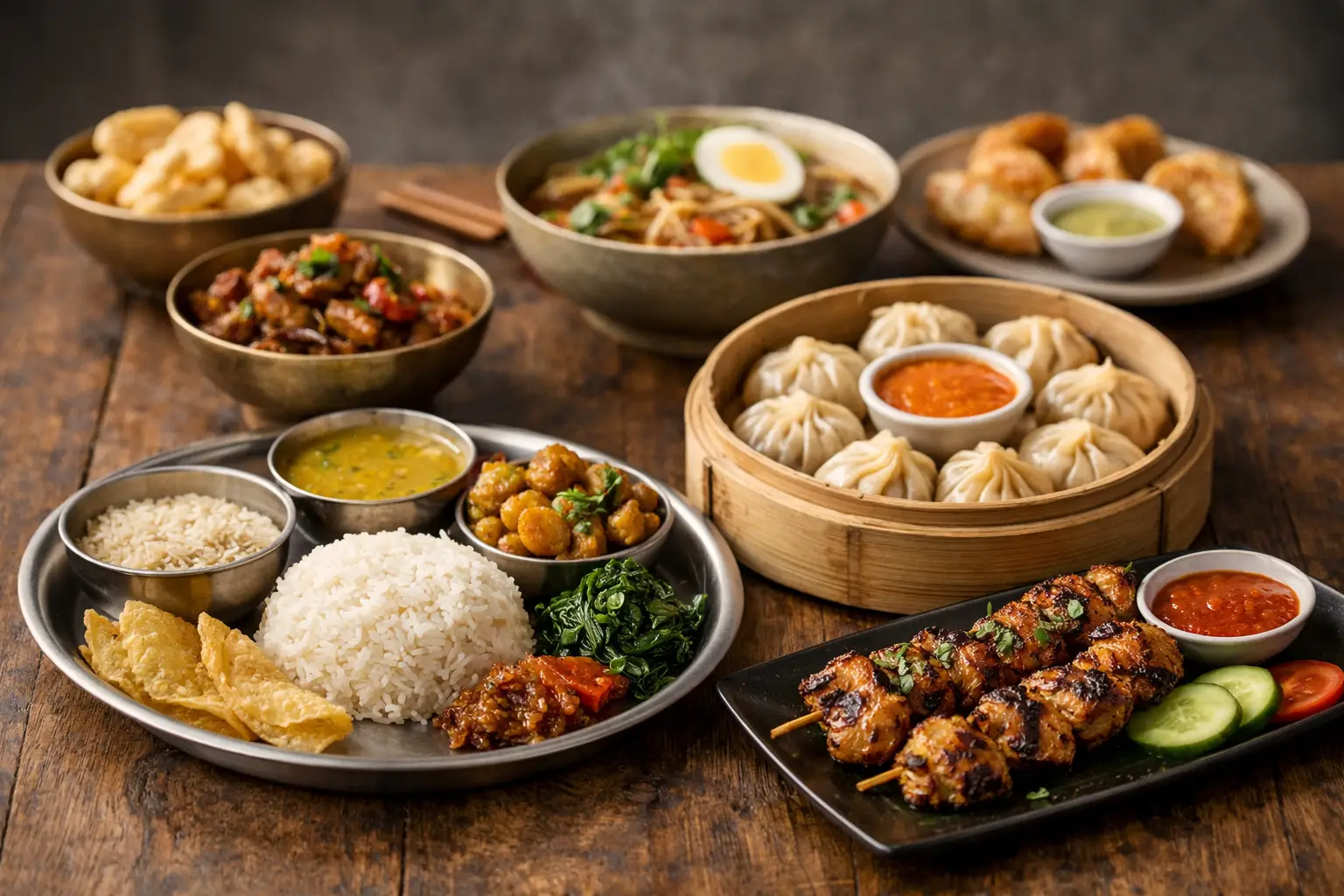
Some dishes naturally show the value of a chef-led approach more than others. Momo are a clear example. They may be one of the best entry points into Nepalese food, but they are also a test of quality. The dough has to be tender. The filling must stay juicy and well seasoned. The dipping sauce needs brightness and bite. When all three work together, the dish becomes far more than a starter.
Curries are another place where expertise shows. A good Nepalese curry should have body and aroma, not just heat. It should taste layered from the first spoonful to the last. The same goes for tandoori-style preparations, stir-fried noodles, and rice dishes. Guests may know these formats already, but chef-driven execution gives them a stronger identity.
Newari dishes deserve special mention as well. They often carry deeper roasted flavors, more complex seasoning, and a celebratory spirit that makes the menu feel richer. For guests who want to move beyond standard choices, these dishes can become the most memorable part of the meal.
Authentic does not have to mean intimidating
One of the biggest misconceptions about regional cuisine is that authenticity only serves experts. In reality, the best restaurants make authentic food feel approachable. That is not a compromise. It is good hospitality.
A well-run dining experience helps guests explore without pressure. Clear menu guidance, adjustable spice levels, and a staff that understands the dishes all make a difference. For some tables, the right move is to start with recognizable favorites and add one or two traditional specialties. For others, it makes sense to go straight for the dishes that show the kitchen’s identity most clearly.
That balance is especially important for mixed groups. One person may want something adventurous while another wants something mild and familiar. A chef-led menu with range makes both guests feel taken care of.
Why experience matters more than trends
Food trends come and go quickly. A cuisine gets attention, social media posts pile up, and then the spotlight moves on. Chef driven Nepalese cuisine has staying power for a different reason. It is grounded in real culinary tradition and strengthened by experience.
When a chef has spent years learning how to balance spice, build flavor, and respect cultural foundations, guests can feel it. The meal has confidence. It does not need gimmicks. It simply needs the right ingredients, the right technique, and the right hospitality around it.
That is what makes a restaurant worth returning to. Not just one good dish, but the trust that the next visit will be just as satisfying as the first. For diners seeking authentic Himalayan flavors in a comfortable setting, that consistency matters as much as the menu itself.
At Newa Chopstix, that approach is what turns dinner into a true dining experience. Guests can enjoy the depth of Nepalese and Newari cooking, the comfort of familiar favorites, and the warm service that makes everyone at the table feel welcome.
Choosing a restaurant for chef driven Nepalese cuisine
If you are deciding where to try Nepalese food, look for more than a menu description. Pay attention to whether the restaurant treats the cuisine as its identity or simply as another category. A chef-led restaurant usually shows its values in the details – balanced flavors, thoughtful variety, consistent preparation, and service that helps guests order with confidence.
It is also worth noticing how broad the appeal is. The best kitchens can satisfy both first-time diners and guests who already know the cuisine well. That flexibility is not accidental. It comes from experience, pride, and a genuine commitment to guest satisfaction.
A great Nepalese meal should leave you curious to come back for another dish, another sauce, another style of preparation. That is the real strength of chef driven cooking. It gives tradition a strong voice on the plate, while making every guest feel right at home.