
That first bite can be a surprise in the best way. Himalayan food is deeply comforting, layered with spice, and full of character, but it is not always as fiery or heavy as first-time diners expect. This guide to Himalayan dining is here to make the experience feel easy, welcoming, and worth savoring from the first appetizer to the last spoonful of dessert.
For many guests, Himalayan cuisine feels familiar in some ways and completely new in others. You may notice ingredients and techniques that overlap with Indian cooking, but the flavors, textures, and balance are very much their own. Nepalese and Newari dishes, in particular, bring together warm spices, fresh herbs, rich sauces, grilled meats, handmade dumplings, and comforting rice dishes in a way that feels hearty, soulful, and made for sharing.
What makes Himalayan dining different
A good Himalayan meal is built on balance. You will often find savory spices, gentle heat, fresh aromatics, and slow-cooked depth working together rather than competing for attention. That means a dish can be bold without feeling overwhelming.
One of the biggest misconceptions is that Himalayan food is simply another version of Indian food. There are similarities, especially where ingredients like cumin, turmeric, ginger, garlic, and coriander are concerned, but the dining experience is broader than that. Nepalese and Newari cuisine bring distinct dishes, seasoning styles, and textures that reflect mountain traditions, local ingredients, and generations of home cooking.
There is also a practical side that many diners appreciate. Himalayan dining tends to be flexible. If you enjoy mild food, there are plenty of satisfying options. If you want more heat, many dishes can be adjusted to your taste. That makes it a strong choice for mixed groups, families, couples, and anyone trying something new without wanting to gamble on the whole meal.
A guide to Himalayan dining for first-time guests
If it is your first visit, the easiest approach is to think in courses. Start with one or two small plates, choose a main with rice or bread, and add variety with something grilled, saucy, or dumpling-based. This style of ordering gives you a better sense of the cuisine than choosing only one familiar-looking dish.
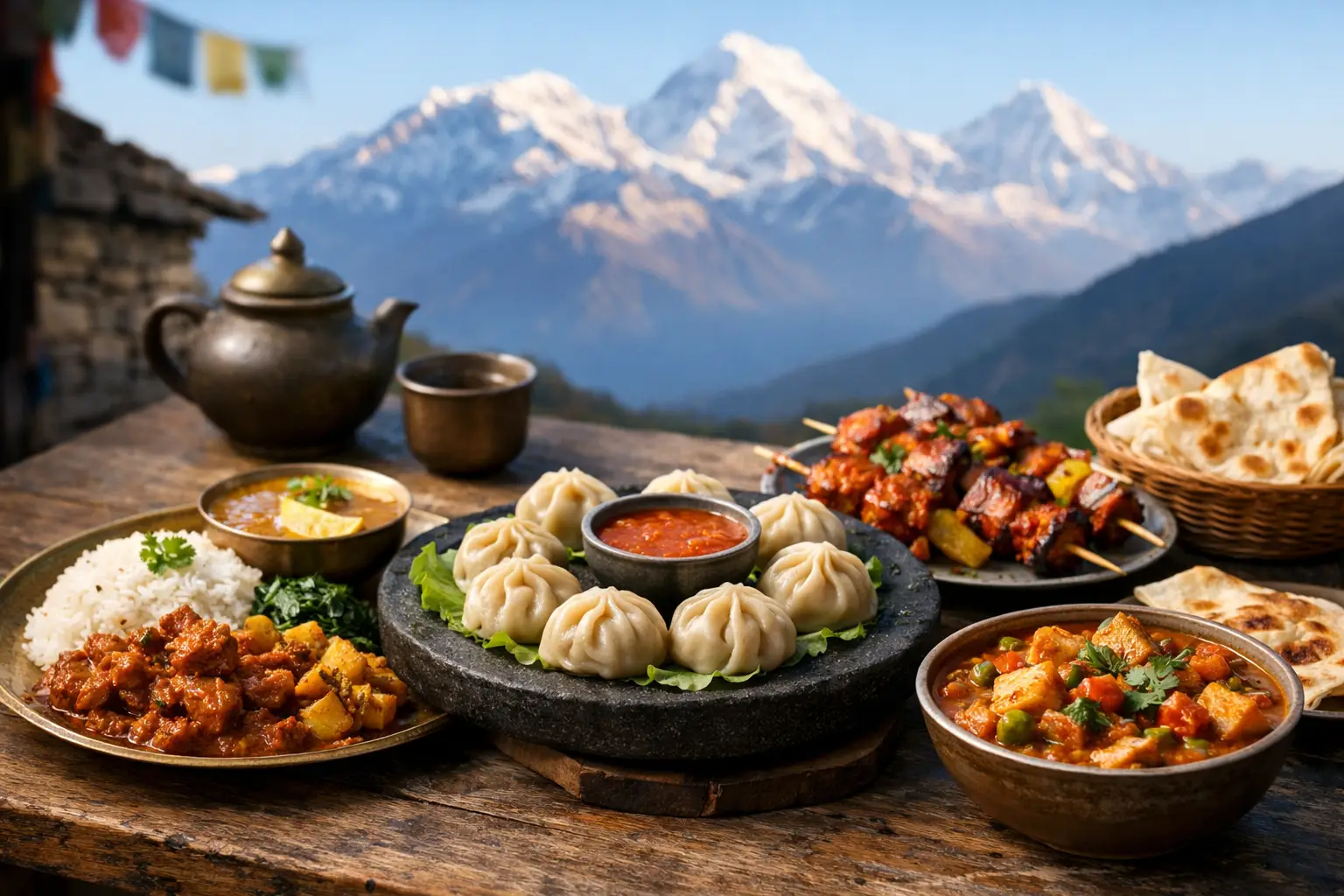
Momos are often the best place to begin. These dumplings are one of the most loved foods in Himalayan cuisine for good reason. They are tender, satisfying, and packed with flavor, whether filled with vegetables, chicken, or other meats. A good momo can be comforting enough for a cautious eater and interesting enough for someone who wants a true taste of the region.
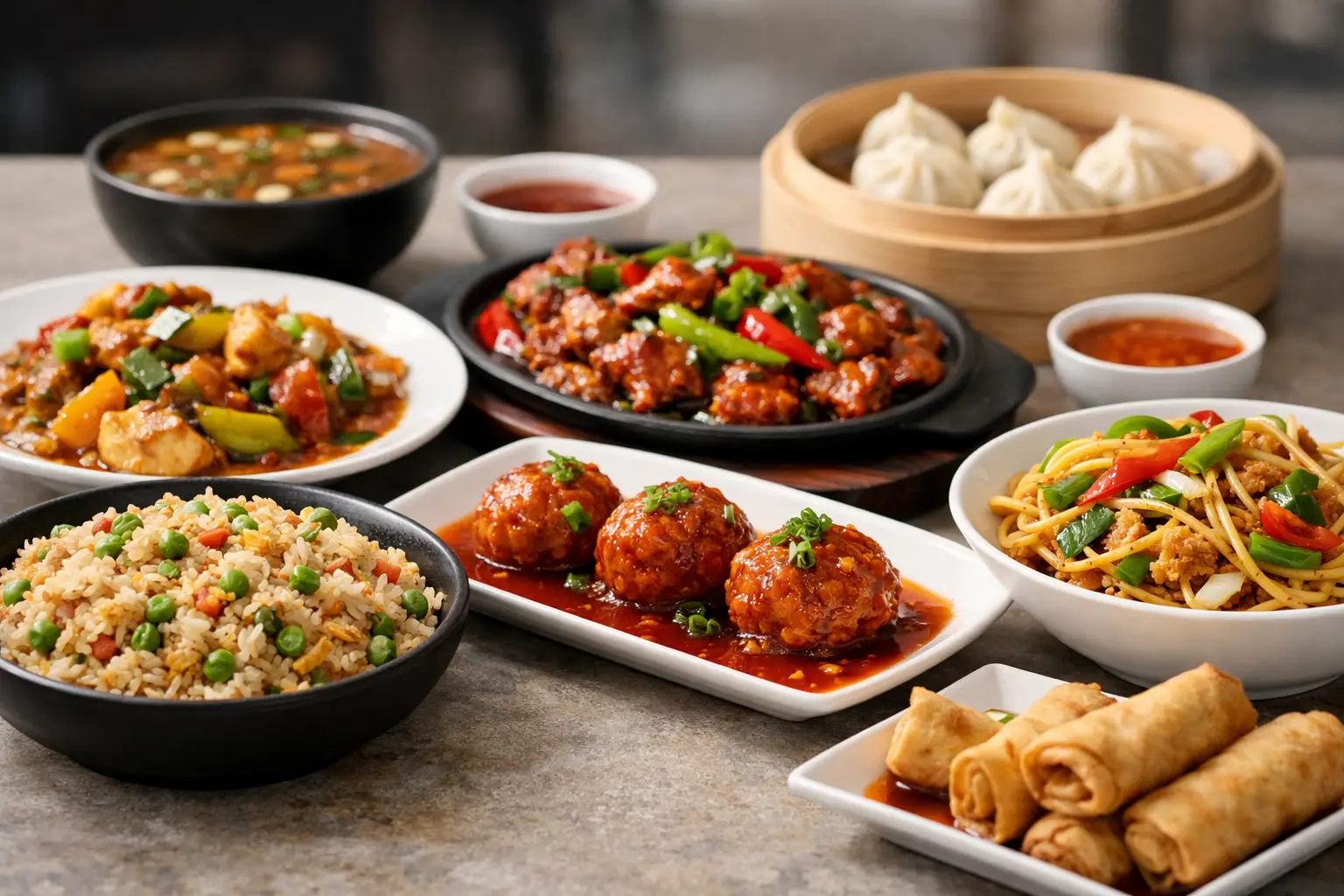
After that, many guests enjoy a curry or a stir-fried dish. This is where personal preference matters. If you love rich, slow-simmered flavor, a curry is usually the right move. If you prefer something a bit lighter or more textured, an Indo-Chinese style dish may suit you better. Himalayan dining often sits comfortably between those worlds, offering both saucy comfort and lively wok-cooked flavors on the same table.
Rice and naan or other breads help complete the meal. They are not just side items. They carry sauces, soften spice, and make each dish feel fuller and more satisfying. If you are dining with others, sharing is almost always the best choice because it lets everyone taste the range.
The flavors you can expect
When people hear the word spice, they often think only about heat. In Himalayan dining, spice usually means something more generous than that. It can mean warmth from cumin, sweetness from cardamom, earthiness from turmeric, brightness from fresh cilantro, or a deep savory note from garlic and ginger.
Heat is part of the picture, but it does not have to dominate the meal. In fact, some of the best dishes are memorable because the seasoning is layered so carefully. You taste the herbs first, then the richness, then the gentle kick that lingers just enough.
Texture also matters. You may move from the softness of dumplings to the char of grilled meats, then to the smooth comfort of a curry and the clean simplicity of steamed rice. That contrast is part of what makes the experience so enjoyable. It feels abundant without feeling complicated.
Signature dishes that define the experience
A proper guide to Himalayan dining should help you know what dishes are truly worth your attention. Momos are at the top of that list because they introduce you to the cuisine in a way that feels approachable and authentic at once.
Beyond dumplings, grilled meats are another highlight. Himalayan cooking often brings out deep flavor through marination and careful cooking rather than relying on excess heaviness. You get smokiness, tenderness, and spice that feels rounded instead of sharp.
Curries remain a favorite for many diners, especially those who want something warming and filling. The key difference is that a Himalayan curry often feels home-style and balanced, not overly rich for the sake of richness. It is satisfying food, but it still leaves room for the rest of your meal.
If you see Newari specialties on the menu, they are worth serious attention. Newari cuisine is known for bold flavor, thoughtful spice, and dishes that feel deeply rooted in tradition. For diners who want something beyond the expected, this is often where the meal becomes especially memorable.
Indo-Chinese options add another layer. These dishes bring lively seasoning, wok-fired aroma, and a familiar comfort for guests who enjoy Asian-style stir-fries but want something with more personality. They are especially useful for groups because they broaden the table without losing the Himalayan identity of the meal.
How to order if you are dining with family or a group
Himalayan food shines when shared. A table with dumplings, one grilled item, one curry, rice, and bread usually gives everyone enough variety to find a favorite. For families, this matters because some guests may want milder choices while others want more spice and intensity.
The good news is that this cuisine is naturally group-friendly. There is enough range to please adventurous eaters, comfort-food lovers, and kids who simply want something flavorful but not too hot. That mix is part of what makes a Himalayan restaurant feel warm and easy rather than formal or intimidating.
For couples, the meal can be more curated. Start with momos, add one shareable appetizer, choose two different mains, and let the contrast do the work. One rich or saucy dish and one grilled or stir-fried option often create the best balance.
What to know about spice levels
Spice tolerance is personal, and a good restaurant understands that. One of the strengths of Himalayan dining is that flavor does not disappear when heat is lowered. You can still enjoy the herbs, aromatics, and slow-cooked depth without asking for the hottest version on the menu.
If you are unsure, start mild or medium on your first visit. You can always go bolder next time. This is especially helpful when ordering for a table, since everyone enjoys the meal more when spice adds excitement rather than stress.
Guests who love heat should still pay attention to the dish itself. Some items are naturally better with a stronger kick, while others are at their best when the seasoning stays balanced and lets the core ingredients stand out. It depends on whether you want intensity, comfort, or a bit of both.
The setting matters as much as the food
A true Himalayan dining experience is not just about what arrives on the plate. It is also about how you feel at the table. The best restaurants in this style combine authentic cooking with attentive service and a setting that feels relaxed, welcoming, and personal.
That matters for visitors as much as locals. If you are traveling and want a meal that stands apart from standard tourist dining, Himalayan cuisine offers real character. If you live nearby and want a dependable place for family meals, date nights, or dinner with friends, it offers comfort with a sense of occasion.
At its best, the experience feels like being welcomed in rather than simply served. That is one reason guests return. Great flavor brings people through the door, but genuine hospitality is what turns a first meal into a favorite place. That is exactly the kind of experience we believe in at Newa Chopstix.
Why Himalayan dining stays with you
Some meals are pleasant and quickly forgotten. Himalayan food tends to stay with people because it offers more than one note. It is warm, aromatic, shareable, and often pleasantly surprising. You may come in expecting a version of something familiar and leave remembering flavors you had not tasted quite that way before.
That is the beauty of it. You do not need to know every regional detail to enjoy the meal. You just need a willingness to try a few signature dishes, choose your spice level honestly, and let the table fill out with a mix of textures and styles.
If you have been curious but unsure, start simple and come hungry. The right Himalayan meal meets you where you are, then gives you every reason to come back for the dishes you missed the first time.