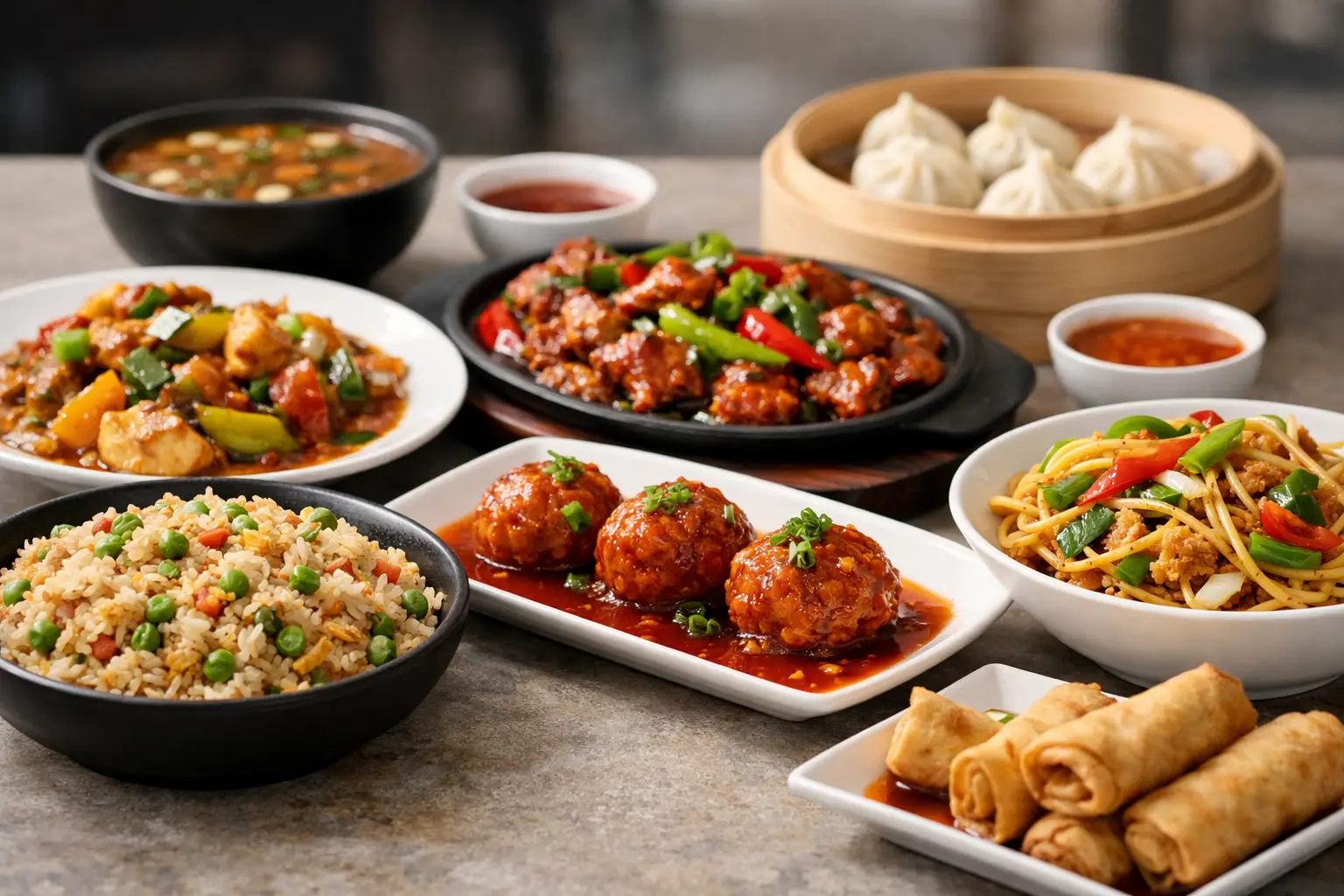
The first bite usually changes everything. Maybe it is the warmth of a hand-folded momo, the deep comfort of a slow-cooked curry, or the bright lift of achar on the side. If you have ever wondered how to explore Himalayan flavors without feeling unsure about what to order, start with this simple idea: you do not need to know every dish to enjoy the cuisine well. You just need a good place to begin.
Himalayan food has a character all its own. It carries the heartiness you expect from mountain cooking, but it also brings balance, detail, and a surprising range of textures. You may notice gentle spice in one dish, smoky depth in another, and fresh herbs or tangy pickles cutting through richness in the next. For many diners, that contrast is what makes the experience memorable.
How to explore Himalayan flavors without overthinking it
The easiest way to begin is to order the way you would build any satisfying meal – start with something familiar in format, then add one or two dishes that stretch your palate a little. That might mean dumplings first, a curry or stir-fry for the main, rice or noodles on the side, and a condiment or pickle that brings everything into focus.
This approach works because Himalayan cuisine is broad. Nepalese and Newari dishes, along with Indian and Indo-Chinese favorites often served alongside them, can feel connected but still distinct. Some dishes are soft and soothing. Others lean savory, peppery, or boldly spiced. If you try to understand the whole menu at once, it can feel like a lot. If you build your meal course by course, it becomes inviting.
A good first step is to think less about labels and more about what you already enjoy. If you love dumplings, start with momos. If you like rice plates, look for curries or grilled meats with rice. If noodles are your comfort zone, try a Himalayan or Indo-Chinese noodle dish. You are still exploring, but from solid ground.
Start with the flavors that define the table
Himalayan flavors are not just about heat. That is one of the biggest misconceptions first-time diners bring with them. Spice can be part of the experience, but it is rarely the whole story.
A lot of the appeal comes from layering. You may taste cumin, coriander, ginger, garlic, turmeric, fenugreek, sesame, chili, and fresh herbs, but the goal is not to overwhelm. In well-made dishes, these ingredients work together to create warmth, aroma, and depth. Some flavors feel earthy and grounding. Others are bright, tangy, or lightly smoky.
Texture matters just as much. A great Himalayan meal often plays with contrast – soft dumplings against a bold dipping sauce, tender meat with crisp vegetables, creamy sauces balanced by achar or chutney. That balance is why even rich dishes can feel lively rather than heavy.
If you are dining with family or friends, order for variety instead of choosing all dishes from the same flavor lane. One comforting dish, one bolder dish, and one side with freshness or tang can turn a good meal into a much better one.
What to try first if you are brand new
Momos are often the most welcoming starting point. They are familiar enough for cautious diners and satisfying enough for adventurous ones. Filled with meat or vegetables and served with a flavorful sauce, they give you a quick sense of the cuisine’s balance of comfort and spice.
After that, move to a curry, stir-fry, or noodle dish depending on your preference. If you like slow-building flavor, a curry is a smart choice. If you prefer something with more edge and texture, a stir-fried dish may suit you better. Noodles can be especially good for groups because they appeal across ages and spice preferences.
If the menu offers Newari specialties, that is where you can begin to taste something especially distinctive. Newari food is known for bold seasoning, rich tradition, and dishes that often bring together spice, smoke, and texture in a more pronounced way. It can be a great next step once you have tried one or two entry-point dishes.
How to explore Himalayan flavors by heat level
Heat level matters, but not in the way many people assume. Choosing the hottest option right away does not necessarily give you the best sense of the food. In fact, it can mask the layering that makes these dishes special.
If you are new, start mild or medium. That gives the spices room to speak. You will notice the sweetness of onion, the fragrance of toasted spices, and the brightness of herbs or pickles much more clearly. From there, you can always go hotter next time.
For families or mixed groups, adjustable spice levels make a real difference. One person may want a gentle curry while another wants a dish with real chili heat. Good Himalayan cooking can accommodate both without losing its character. That flexibility is part of what makes the cuisine so welcoming.
There is also a difference between spicy and flavorful. A dish can be rich with spice and still be moderate in heat. If you are unsure, ask for guidance based on your usual comfort level rather than trying to guess from the dish name alone.
Familiar does not mean boring
Some diners worry that ordering chicken, noodles, or a curry they recognize is playing it too safe. It is not. Familiar formats are often the best way to understand a cuisine’s personality.
A Himalayan chicken curry does not taste like every other curry. A plate of noodles prepared with Indo-Chinese influence brings its own savoriness and energy. Even fried rice or grilled dishes can reveal a lot about seasoning style, balance, and kitchen skill. Starting with a recognizable base lets you notice what makes the flavors different.
That matters if you are eating while traveling or dining with people who have different levels of comfort. One person can stay in familiar territory while another tries something more adventurous, and both can still enjoy the same table.
Build a better meal with contrast
One of the smartest ways to explore Himalayan flavors is to avoid ordering dishes that all do the same job. If everything is creamy, the meal can feel flat. If everything is hot and sharp, it can become tiring.
Instead, build contrast into the table. Pair dumplings with a curry. Add rice to soften a spicy dish or noodles to bring a different texture. Include something tangy or crunchy if the rest of the meal is rich. Achar, chutneys, and fresh garnishes often do more than sit on the side – they sharpen the entire meal.
Drinks can help too. If your table includes cocktails, beer, or a simple nonalcoholic drink, think about refreshment as part of the meal. Cooler, cleaner sips help reset your palate between richer bites. That is especially helpful when you are trying several dishes at once.
This is where a restaurant experience really matters. In a welcoming dining room, with a team that can guide you toward balance, the meal feels easier to enjoy. At Newa Chopstix, that sense of care is part of what helps guests try something new without feeling out of their depth.
Know what makes the cuisine worth seeking out
If you are asking how to explore Himalayan flavors, you are probably looking for more than just another dinner reservation. You want food with identity. You want dishes that feel rooted in place, family, and tradition.
That is exactly why Himalayan cuisine stands apart. It is deeply comforting, yet rarely one-note. It carries influences from neighboring culinary traditions while keeping its own personality. You can taste home-style warmth in one dish and festive intensity in the next. That range is part of the appeal.
It also suits many kinds of diners. Couples can share a few plates and make the meal feel special. Families can mix milder and bolder options across the table. Travelers who want something beyond the usual tourist rotation can find a meal that feels memorable for the right reasons – not because it is trendy, but because it is genuinely good.
The best way to approach it is with curiosity, not pressure. You do not need to order perfectly. You do not need to understand every regional detail on the first visit. Start with one dish you know you will enjoy, add one that is new to you, and let the table grow from there. Often, that is where the real experience begins.
The next time you sit down to a Himalayan meal, trust your appetite a little. Choose comfort, choose contrast, and leave room for one pleasant surprise.