
If you are wondering how to try Nepalese food without feeling unsure about what to order, start with this: you do not need to know every dish to enjoy a great first meal. Nepalese food is warm, layered, comforting, and full of character. For many first-time diners, it feels familiar in a few ways, then surprises you in the best ones.
That is part of what makes it special. You may notice influences from nearby regions, but Nepalese cuisine has its own identity – especially when you taste handmade dumplings, deeply spiced curries, pickles with real bite, and dishes shaped by Himalayan tradition. The best first experience is not about ordering the most adventurous thing on the menu. It is about choosing a few dishes that show the range of the cuisine and letting the meal build from there.
How to try Nepalese food without overthinking it
The easiest way to begin is to order a balanced meal instead of one single dish and expecting it to explain the whole cuisine. Nepalese food often shines when you combine a starter, a main, and something on the side that changes the rhythm of each bite.
If you are dining with a partner, family, or a group, sharing is the smartest move. One person can order momos, another can choose a curry, and someone else can add noodles or rice. That gives you a better read on the cuisine in one sitting. If you are eating solo, go for one approachable starter and one main with rice or bread so you can experience both texture and depth.
For first-timers, there is no need to prove anything with spice. A medium or mild level is often the right choice if you want to taste the ingredients clearly. Nepalese food can absolutely bring heat, but the best dishes are not only about spice. They are about fragrance, savory depth, tang, herbs, and balance.
Start with the dish most people love first
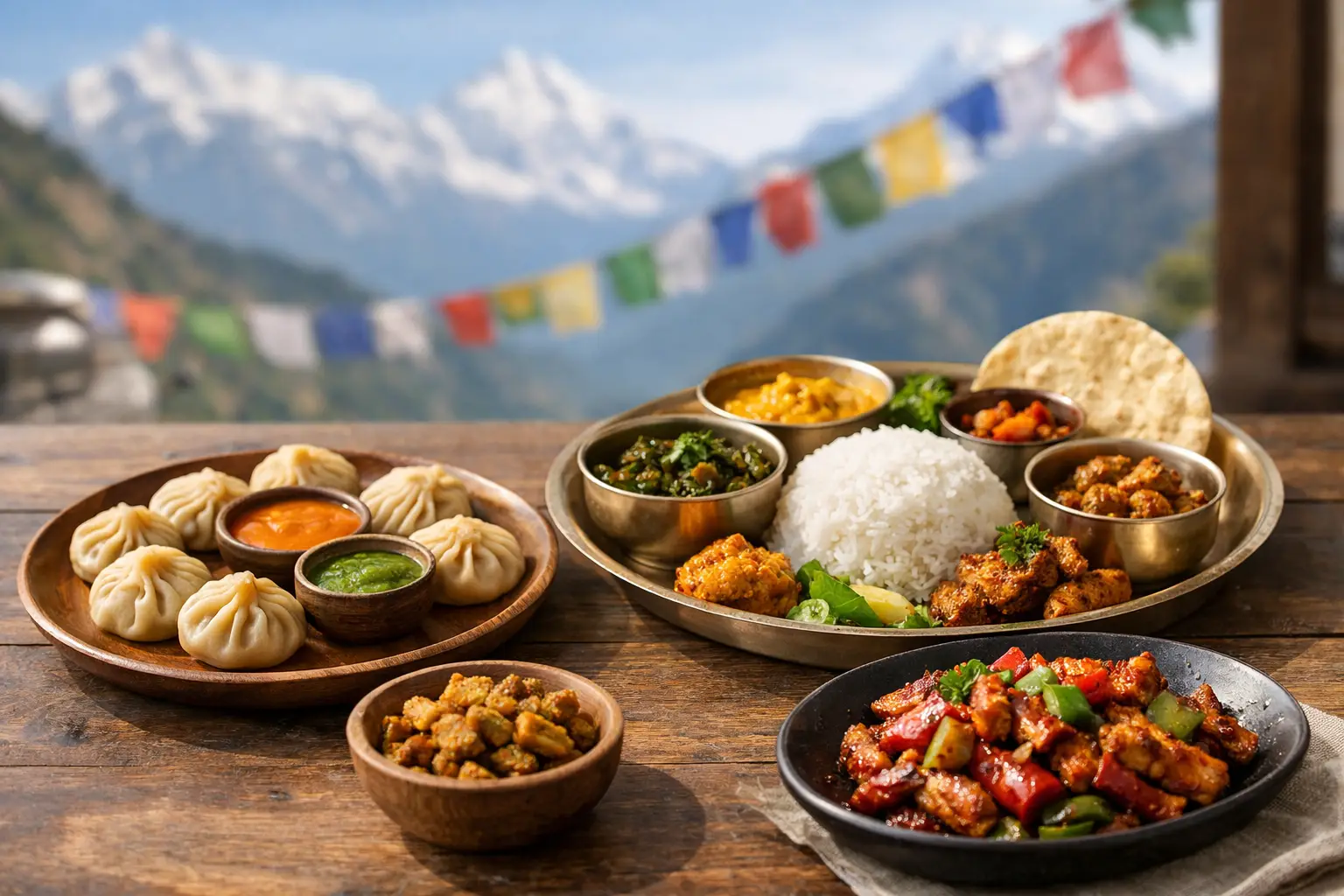
If there is one dish that helps people fall in love with Nepalese food quickly, it is momo. These dumplings are one of the most popular and comforting parts of the cuisine. They are usually filled with chicken, vegetables, or other savory options, then steamed or sometimes fried, and served with a chutney or dipping sauce that adds brightness and heat.
Momos are a great first order because they are easy to understand and still distinctly Nepalese. They feel familiar if you have had dumplings before, but the seasoning and sauces give them a different personality. They are also great for the table because everyone can try one and immediately start talking about flavor.
If you only know one Nepalese dish before your first meal, let it be this one. It is approachable, satisfying, and a strong introduction to the home-style comfort that runs through the cuisine.
What flavors to expect from Nepalese food
People sometimes assume Nepalese food will taste exactly like Indian food or Chinese food. It does not. There can be overlap in ingredients and cooking styles, but Nepalese cooking has its own structure and feel.
You can expect savory spices, but often in a way that feels grounded rather than heavy. Garlic, ginger, cumin, turmeric, coriander, sesame, chili, and fresh herbs may all play a role. Some dishes are soft and soothing, while others are bright, fermented, smoky, or sharply tangy. That contrast is part of the appeal.
Texture matters too. A good Nepalese meal may move from tender dumplings to rich curry, from fluffy rice to crisp vegetables, from smooth sauces to punchy achar, which is a style of pickle or condiment that can be spicy, sour, and deeply flavorful. If one bite feels comforting and the next feels lively, that is often exactly the point.
The best main dishes for a first visit
Once you have started with momos, the next step is choosing a main. For many first-time diners, curries are the easiest entry point. They are satisfying, flavorful, and easy to pair with rice or naan. Depending on the menu, you may find chicken, lamb, goat, paneer, or vegetable curries, each offering a slightly different experience.
If you prefer something rich and familiar, a chicken curry is a smart first choice. If you want a deeper, more traditional flavor, goat dishes are often worth trying. Goat can be more intensely savory than chicken, so it depends on your comfort level. If you enjoy hearty meat dishes, it may become your favorite quickly.
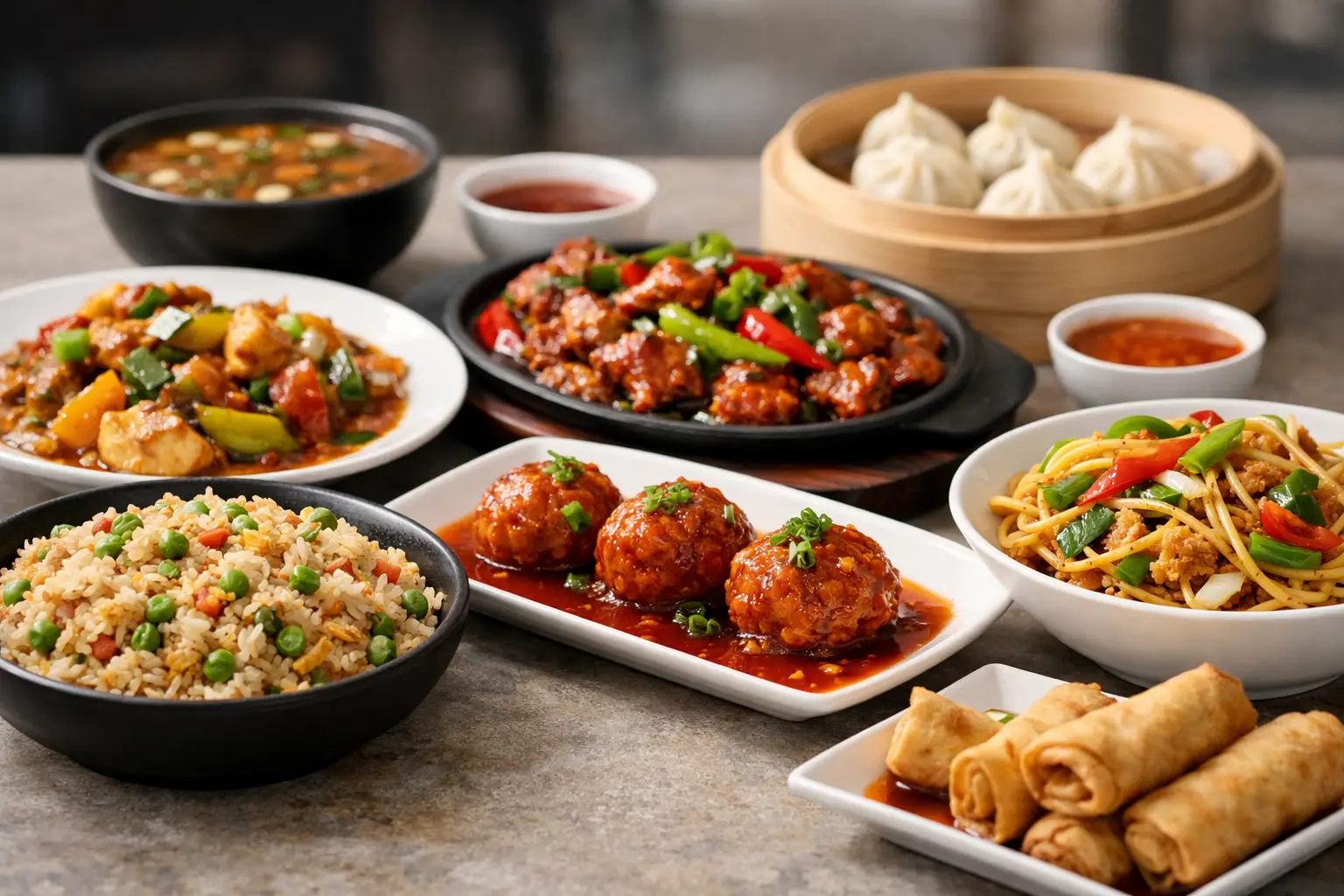
Noodle dishes are also a good bridge into Nepalese food, especially for guests who want something a little less sauce-driven. In many Nepalese and Himalayan menus, you will see stir-fried noodles with vegetables or meat that bring a lighter but still satisfying contrast to curries and dumplings.
The best approach is not to order the safest possible dish. It is to order one dish that feels familiar and one that feels new. That mix usually leads to the most enjoyable first experience.
How to try Nepalese food if you are sensitive to spice
A lot of diners are interested in Nepalese cuisine but hesitate because they worry everything will be too hot. That is understandable, but it is often based on the wrong assumption. Spice level can vary widely, and many dishes are enjoyable at a gentler heat.
If you are sensitive to spice, ask for mild or medium and focus on flavor first. You can always build up later on another visit. Starting too hot can flatten the experience because all you remember is the heat. Starting at a level that lets you taste the herbs, aromatics, and sauces gives you a better sense of what makes the cuisine special.
This is especially helpful for families or mixed groups. One person may want more heat, another may want something mellow, and both should still enjoy the meal. Good hospitality means meeting guests where they are, not forcing one style of spice on everyone.
Do not skip the sides and condiments
A first meal can feel incomplete if you focus only on the main dish. In Nepalese dining, the extras often make the meal more memorable.
Rice helps carry sauces and gives you breathing room between bolder bites. Naan adds warmth and comfort. Pickles and chutneys bring acidity, heat, or a fermented edge that changes the whole plate. These additions are not filler. They help create balance.
This is also where first-time diners discover what they like. You may find that a curry becomes your favorite only after a spoonful of rice and a touch of achar. You may realize that a dumpling sauce is what makes the dish unforgettable. A good meal is often built in combinations, not isolated bites.
Come with curiosity, not rules
The best way to try Nepalese food is to stay open. Do not worry about ordering perfectly or recognizing every name on the menu. A warm restaurant experience should make that easy. Ask what is popular, what is good for beginners, and what offers the most authentic flavor profile for a first visit.
If you are visiting a place that serves Himalayan cuisine with real care, the staff should be able to guide you toward dishes that match your taste, your spice preference, and your appetite. That makes a big difference, especially for travelers and families who want something memorable but still comfortable.
At Newa Chopstix, that balance matters. Guests can enjoy authentic Himalayan flavors in a welcoming setting that feels relaxed, friendly, and easy to enjoy whether you are dining with kids, meeting friends, or trying Nepalese food for the first time on vacation.
A good first order to remember
If you want a simple formula, start with momos, add one curry, choose rice or naan, and include one condiment or side you have never tried before. That gives you comfort, variety, and at least one new flavor to talk about after the meal.
From there, your second visit gets easier. Maybe you try a spicier dish, a different protein, or a noodle plate instead of curry. That is the beauty of Nepalese food. It welcomes first-timers, but it also gives you plenty of reasons to come back.
Your first Nepalese meal does not need to be a big culinary test. It just needs to be honest, flavorful, and shared with a little curiosity. Start there, and the rest tends to happen naturally.