
You do not need to know every dish on the menu to enjoy a great Indo Chinese meal. If you have ever wondered how to order Indo Chinese without guessing, the easiest approach is to think in flavors first, then texture, then spice. Once you know whether you want something smoky, saucy, crisp, or comforting, the menu starts to make a lot more sense.
Indo Chinese is one of those cuisines that wins people over quickly because it feels both familiar and exciting. You will recognize noodles, fried rice, stir-fried vegetables, and crispy appetizers, but the seasoning has a character all its own. Garlic, ginger, soy sauce, chilies, vinegar, green onions, and bold wok flavor all come together in a way that is savory, lively, and deeply satisfying.
What Indo Chinese actually tastes like
Before getting into how to order Indo Chinese, it helps to know what makes it different from standard Chinese takeout or a typical Indian meal. Indo Chinese grew from the meeting of Chinese cooking techniques and Indian flavor preferences. The result is food with strong wok-fired flavor, a generous use of aromatics, and sauces that can range from mild and savory to hot and punchy.
That is why a dish might look familiar at first glance but taste very different from what you expected. Fried rice may carry more garlic and chili. Noodles may be smokier and more peppery. A dry appetizer may have crisp edges and a spicy finish rather than a heavy coating. If you like food that is layered, bold, and easy to share, you are already in a good place.
How to order Indo Chinese for your taste
The best way to order is to start with one simple question: do you want a snackable table of small plates, or a full meal built around noodles or rice? From there, the menu gets much easier to read.
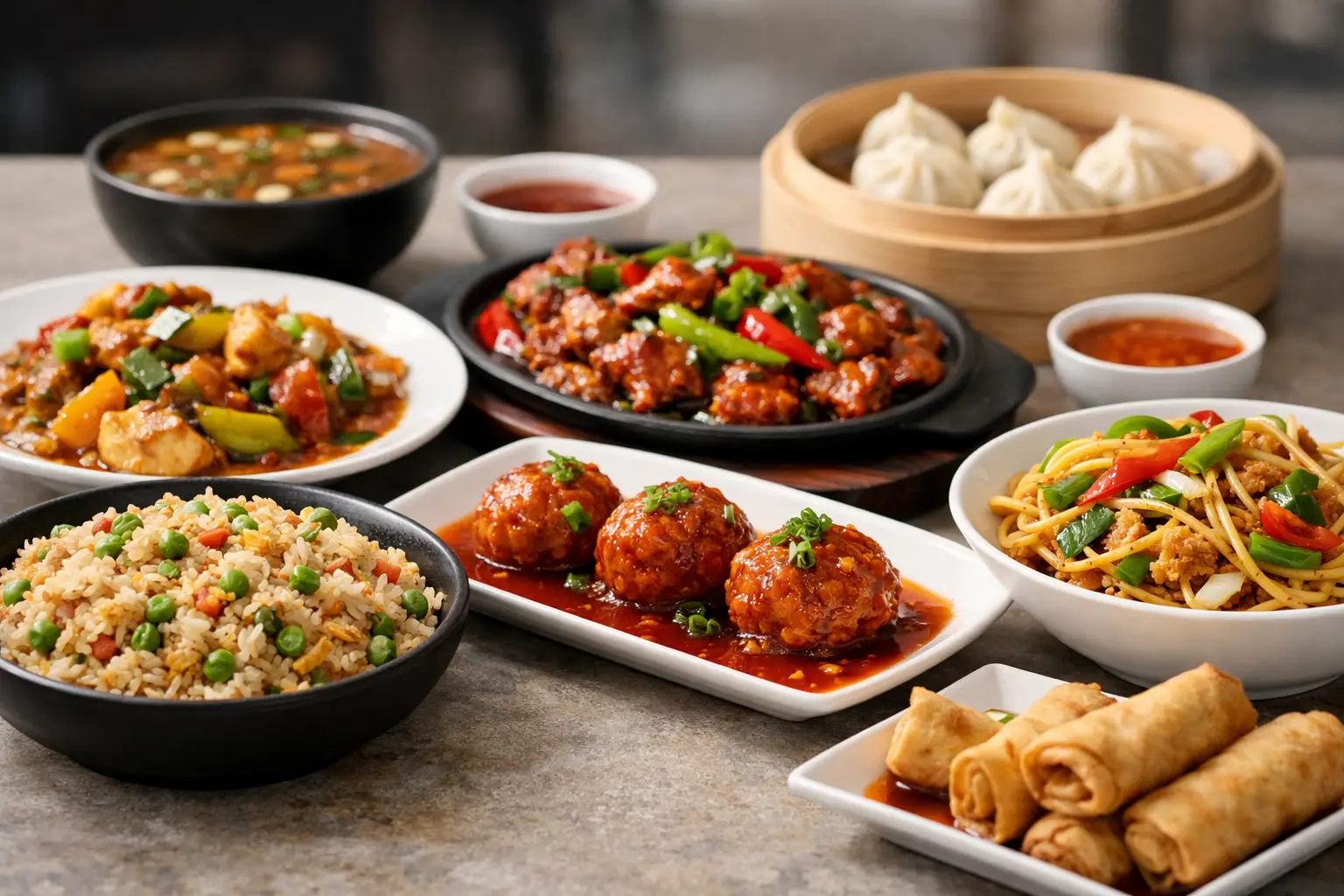
If you are in the mood to graze and share, begin with appetizers. Indo Chinese starters are often where people fall in love with the cuisine. You will usually find choices like chili chicken, crispy cauliflower, spring rolls, momos with a spicy twist, or paneer and vegetable dishes tossed in sauce. These are ideal if your group wants variety and a little excitement up front.
If you want a satisfying main, think about your base. Noodles are great when you want something springy, smoky, and quick to eat. Fried rice is a better pick if you want a fuller, heartier plate that carries sauce well. If you prefer more vegetables, ask for a stir-fry or a gravy-style dish to pair with rice.
Protein is the next step. Chicken is usually the safest choice for first-time diners because it works with almost every sauce. Shrimp gives a lighter, slightly sweeter bite. Paneer is excellent if you want something substantial without meat. Vegetable options are often far from an afterthought in Indo Chinese cooking, especially when cabbage, peppers, onions, and carrots are cooked hot and fast so they stay bright and flavorful.
Then comes sauce style. This matters more than many people realize.
Dry dishes are not actually dry in a dull way. They are usually stir-fried with just enough sauce to coat the ingredients, so you get concentrated flavor and a bit of char. These are ideal if you like bold bites and crisp texture.
Gravy dishes are saucier and richer. They are better for diners who want comfort, extra moisture, and something to spoon over rice. If you are ordering for children, older family members, or anyone who prefers softer textures, gravy dishes are often the easier choice.
Common Indo Chinese menu words to know
A few words show up often, and once you know them, ordering becomes much more comfortable.
Hakka usually points to a noodle or rice dish cooked with vegetables, aromatics, and a savory seasoning profile. It is often a smart first order because it is balanced and approachable.
Schezwan generally means bolder heat and more chili-forward flavor. If you enjoy spicy food, this is a good direction. If you do not, ask for it mild rather than skipping it entirely. Many kitchens can adjust the spice level.
Chili refers to dishes tossed with peppers, onions, and a spicy-savory sauce. These are popular because they bring heat, tang, and texture together.
Manchurian often means vegetable, chicken, or paneer dumplings or pieces in a savory sauce, either dry or with gravy. This is a comforting choice for people who want something saucy and satisfying.
If a menu lists garlic or hot garlic, expect a sharper, more aromatic flavor. If it says lollipop, it usually refers to a fun, appetizer-style chicken dish that is especially popular for sharing.
Best first orders for beginners
If this is your first time, there is no need to be overly adventurous on the first visit. A good Indo Chinese meal can be simple and still feel special.
For one person, a strong beginner combination is an appetizer plus a noodle or fried rice dish. You get contrast, and you learn quickly what part of the cuisine you enjoy most.
For two people, one dry appetizer, one gravy dish, and one rice or noodle main creates a better balance than ordering three items with the same texture. You want crisp, saucy, and comforting all on the table at once.
For families, it helps to order one milder plate and one bolder plate, then share from the center. That way, the table feels generous without forcing everyone into the same spice level. This is especially useful when adults want chili heat but kids may prefer gentler flavors.
Spice level matters more than people think
One of the smartest parts of learning how to order Indo Chinese is being honest about your spice comfort. Some diners hear words like Schezwan or chili and assume every dish will be overwhelmingly hot. Others order without asking and are surprised by more heat than expected.
The good news is that spice can often be adjusted. If you enjoy flavor but not strong heat, ask for mild or medium. You can still get the garlic, ginger, onion, and wok character without turning the meal into a challenge. If you love spice, ask for it hot, but remember that heat should support the dish, not hide the flavor.
This is where a hospitality-driven restaurant makes a real difference. A good kitchen wants the food to suit your table, not the other way around.
Ordering for groups, families, and mixed preferences
Indo Chinese is naturally social food. The flavors are bold, the portions are often shareable, and the variety makes it easy to please different tastes.
If your table includes adventurous eaters and cautious ones, build the order in layers. Start with a familiar anchor such as fried rice or Hakka noodles. Add one crowd-pleasing appetizer with crisp texture. Then include one saucy dish that brings the signature Indo Chinese personality. This gives everyone a comfortable entry point while still delivering the excitement people came for.
For couples, it is worth mixing one dish you know you will like with one you are curious about. That keeps the meal fun without risking disappointment. For larger groups, avoid ordering all fried items or all saucy items. The best spread has contrast.
Dine-in vs takeout when ordering Indo Chinese
Some dishes travel better than others, and that can shape your order.
If you are dining in, this is the best time to order crispy appetizers and dry stir-fried dishes because they arrive at their peak texture. Wok-fried foods are at their most exciting when hot and fresh from the pan.
If you are ordering for delivery or takeout, rice, noodles, and gravy dishes tend to hold up especially well. They stay satisfying even after a short ride, and the flavors settle nicely. Crispy dishes can still be a good choice, but they may soften a bit on the way. It depends on how far the food is traveling and how quickly you plan to eat.
One easy way to order well
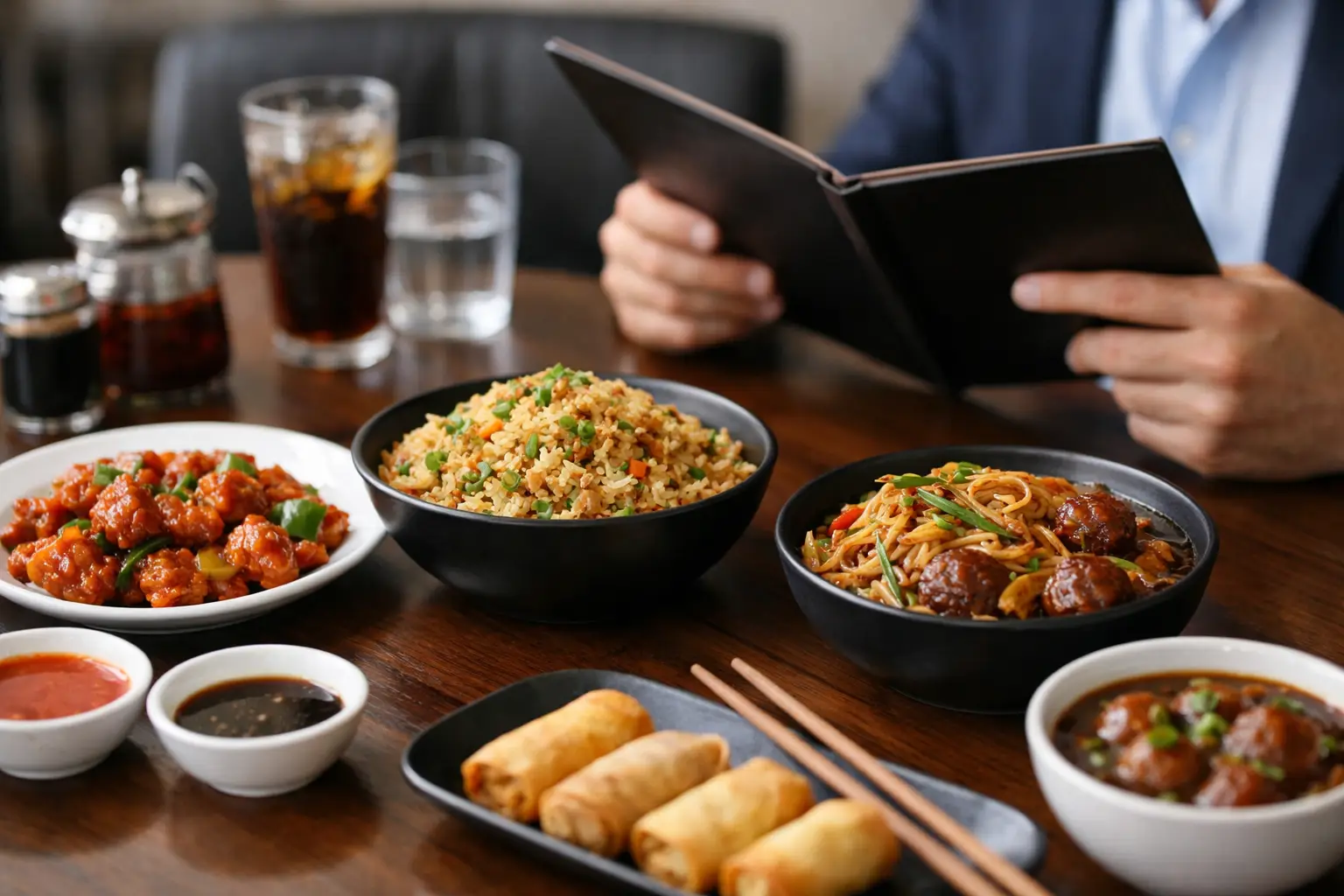
If the menu feels large, do this: choose one appetizer, one noodle or rice dish, one protein-based specialty, and your preferred spice level. That simple method works for first-timers, regulars, date nights, and family meals.
At a place like Newa Chopstix, where authentic Himalayan hospitality meets bold Indo Chinese flavor, that approach lets you enjoy the experience without overthinking it. You get variety, balance, and a meal that feels generous from the first bite.
The real secret is not memorizing dish names. It is ordering with a little curiosity and a little guidance. Once you find the textures and spice level that fit your table, Indo Chinese stops feeling unfamiliar and starts feeling like the kind of meal you want to order again.