

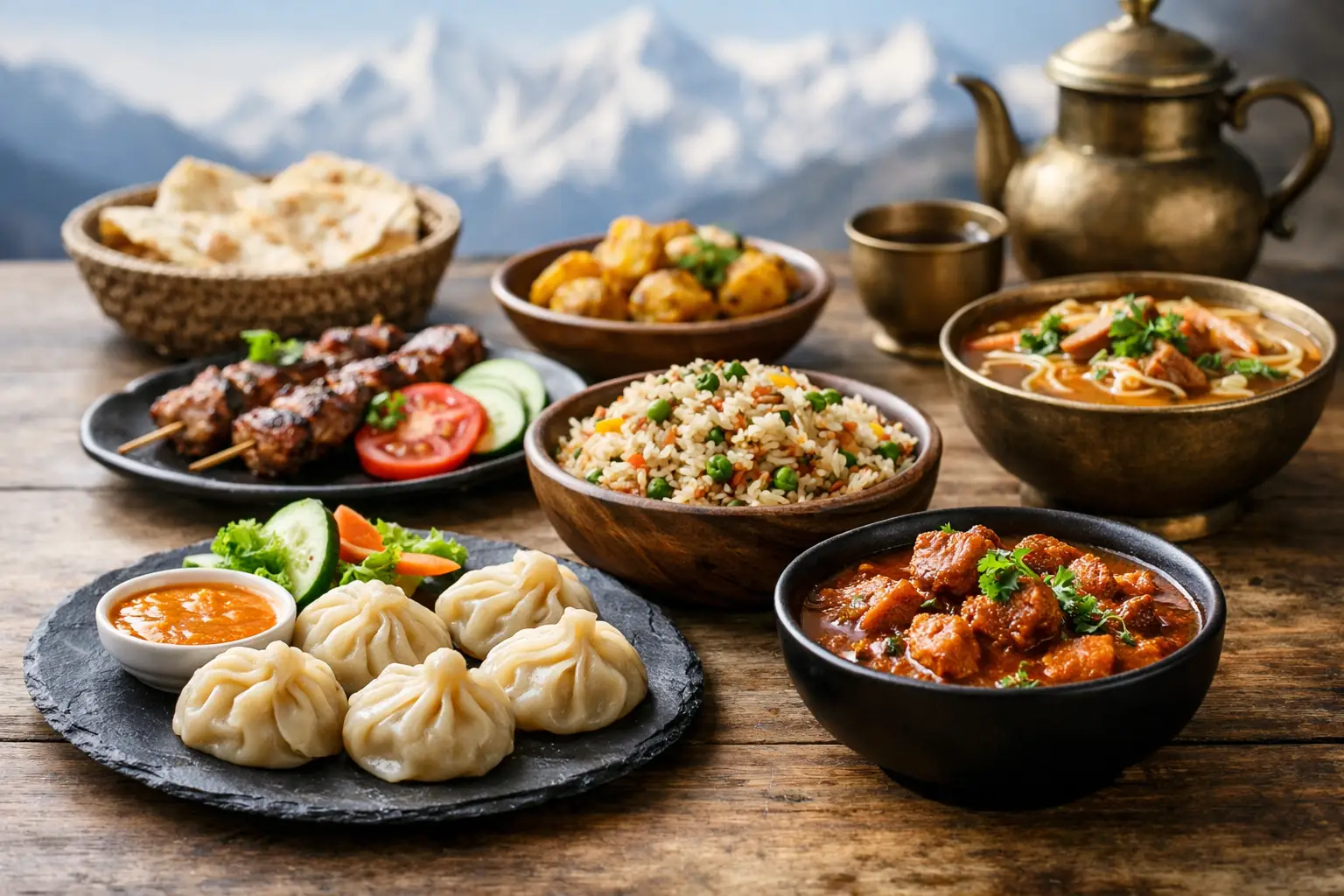

A plate of momos with bright chutney, a slow-simmered curry, warm rice, pickled vegetables, and the aroma of toasted spices – that is often where the question begins: what is Himalayan cuisine? It is not one single dish or one fixed style of cooking. It is a broad, comforting, deeply flavorful food tradition shaped by mountain geography, local ingredients, trade routes, and generations of home cooking across Nepal, Tibet, Bhutan, and nearby regions.
For many diners, Himalayan food feels familiar in some ways and wonderfully different in others. You may notice the warmth of spices, the comfort of soups and stews, the importance of rice and noodles, and a style of cooking that balances depth, freshness, and heart. It is food made to nourish, gather people together, and create a meal that feels both satisfying and memorable.
What Is Himalayan Cuisine?
At its core, Himalayan cuisine is the food of the Himalayan region, especially Nepal and surrounding mountain cultures. It includes a range of dishes influenced by altitude, climate, religion, migration, and neighboring culinary traditions from India, Tibet, and China. That is why Himalayan food can include dumplings, lentil soups, curries, grilled meats, stir-fried noodles, pickles, and richly spiced regional specialties all under one culinary umbrella.
The simplest way to understand it is this: Himalayan cuisine is about balance and practicality. In colder mountain areas, meals often lean toward warming broths, hearty grains, fermented foods, and dishes that provide comfort and energy. In lower regions and cities, you will find more rice-based meals, complex spice blends, fresh herbs, and a wider variety of vegetables and meats. So when people ask what Himalayan cuisine is, the honest answer is that it depends on which part of the Himalayas you are talking about.
That variety is part of what makes it so rewarding. It is not limited to one texture, one spice level, or one format. Some dishes are subtle and soothing. Others are bold, smoky, tangy, or fiery. A great Himalayan meal often brings several of those notes together on the same table.
The Flavors That Define Himalayan Cuisine
Himalayan food is known for warmth more than heat, although spice levels can certainly vary. Many dishes use ingredients such as ginger, garlic, cumin, coriander, turmeric, fenugreek, sesame, chilies, and timur, a peppery spice common in Nepal with a citrusy, tingling character. Fresh cilantro, scallions, tomatoes, onion, and yogurt also appear often, depending on the dish.
A key point for new diners is that Himalayan cuisine is not simply the same as Indian food, even though there are shared ingredients and overlapping techniques. Many Himalayan dishes use lighter seasoning, simpler presentations, and a stronger focus on broth, fermentation, and natural ingredient flavor. At the same time, some regional preparations are rich and layered, especially in curries and celebratory meals.
Texture matters too. You will find soft dumplings, crispy fried snacks, tender grilled meats, silky lentils, chewy noodles, and crunchy pickles. That contrast is one reason these meals feel so complete. The food keeps your attention without becoming complicated.
Signature Dishes You Are Likely to See
If there is one dish many people meet first, it is momo. These dumplings are a favorite across Himalayan cuisine and can be filled with chicken, lamb, vegetables, or paneer. They may be steamed or fried and are usually served with a chutney or dipping sauce that brings heat, tang, and brightness.
Another foundational meal is dal bhat, often considered the everyday heart of Nepali dining. It usually includes lentil soup, rice, vegetable sides, pickle, and sometimes meat curry. It sounds simple on paper, but in practice it is deeply satisfying and full of flavor. It is also a good example of how Himalayan cuisine values balance – protein, grain, vegetables, spice, and comfort all on one plate.
Thukpa is another well-loved dish, especially in colder weather. This noodle soup is warming, savory, and generous, often prepared with vegetables or meat in a fragrant broth. Chow mein, grilled meat dishes, spiced potatoes, and stuffed breads may also appear depending on the menu and regional focus.
Then there is Newari cuisine, one of Nepal’s most celebrated food traditions. Newari dishes are known for bold seasoning, careful preparation, and a festive table full of variety. You may find marinated meats, beaten rice, pickles, lentil preparations, and richly seasoned specialties that feel distinct from standard curry-house expectations. For diners looking for something more regional and expressive, Newari food offers that extra layer of discovery.
Why Himalayan Cuisine Tastes Different From Standard Indian or Chinese Food
This is where many diners get curious. Himalayan cuisine may share a menu space with Indian and Indo-Chinese dishes, but it has its own identity. Indian food often leans more heavily into sauce-based curries, region-specific masalas, and tandoor cooking. Chinese food, especially in restaurant settings outside Asia, can focus more on wok cooking, soy-based seasoning, and stir-fry structure.
Himalayan cuisine sits in a unique middle ground. It draws on both neighboring worlds while keeping its own sense of place. You might taste Indian-style spice depth in one dish and Tibetan-style comfort in another. You may see chili, garlic, and noodle influences that feel familiar, yet the overall meal remains grounded in Himalayan tradition.
That does not mean every Himalayan restaurant serves the same thing. Some menus lean more Nepali. Some include strong Tibetan influences. Others reflect the reality of how people eat across the region today, where cultures mix and evolve. The trade-off is that the category can feel broad, but that breadth is also what makes it appealing to groups with different tastes.
Ingredients Shaped by Mountain Life
The Himalayas are one of the world’s most dramatic landscapes, and that geography matters on the plate. Mountain climates encourage practical cooking – foods that warm the body, preserve well, and make full use of available produce, grains, dairy, and meats. That is one reason soups, stews, dumplings, dried ingredients, fermented vegetables, and pickles have such a strong place in the cuisine.
In Nepal and nearby regions, rice is central in many communities, especially at lower elevations, while wheat, barley, millet, and buckwheat can be more important in colder or higher areas. Lentils are a staple. So are potatoes, greens, cauliflower, cabbage, tomatoes, and beans. Meat is used in many dishes, but there is also a long and rich tradition of vegetarian cooking shaped by both religion and local ingredients.
That diversity makes Himalayan cuisine especially welcoming for mixed tables. Some guests want a hearty lamb dish. Others prefer vegetable momos, paneer, or lentil-based comfort food. A well-crafted Himalayan menu can meet both with ease.
What to Expect if You Are Trying It for the First Time
If you are new to Himalayan cuisine, start with an open mind and a simple strategy. Choose one familiar dish format and one dish that is new to you. For example, momos are an easy entry point because the format is recognizable, but the flavor feels distinct. A bowl of thukpa or a dal bhat set gives you a fuller picture of how the cuisine works as a meal.
Spice level is another place where flexibility matters. Himalayan food is flavorful, but not every dish is intensely hot. Many can be adjusted to your comfort level, which makes the cuisine approachable for families, couples, and groups with different preferences. That adaptability is part of the hospitality behind the food. It invites people in instead of testing them.
This is also a cuisine best enjoyed as an experience, not just a quick category label. The sauces, pickles, sides, soups, and main dishes often work together. If you only order one item, you may miss some of the full picture. Shared plates usually tell the story better.
What Is Himalayan Cuisine Really About?
Beyond ingredients and technique, Himalayan cuisine is about warmth – the kind that comes from a kitchen shaped by tradition and a table built for sharing. It reflects resilience, migration, celebration, and everyday nourishment. It can be festive and bold, or humble and restorative. It can surprise first-time diners while still feeling comforting from the first bite.
That is why it continues to stand out in places far from the mountains themselves. In a restaurant setting, especially one built on authentic recipes and guest care, Himalayan food offers more than novelty. It gives diners a chance to enjoy something rooted, generous, and full of character. At Newa Chopstix, that is exactly what makes the experience so special.
If you have been curious but unsure where to begin, let your first Himalayan meal be a relaxed one – something shared, something warm, and something made with the kind of flavor that makes you want to come back for the next dish.