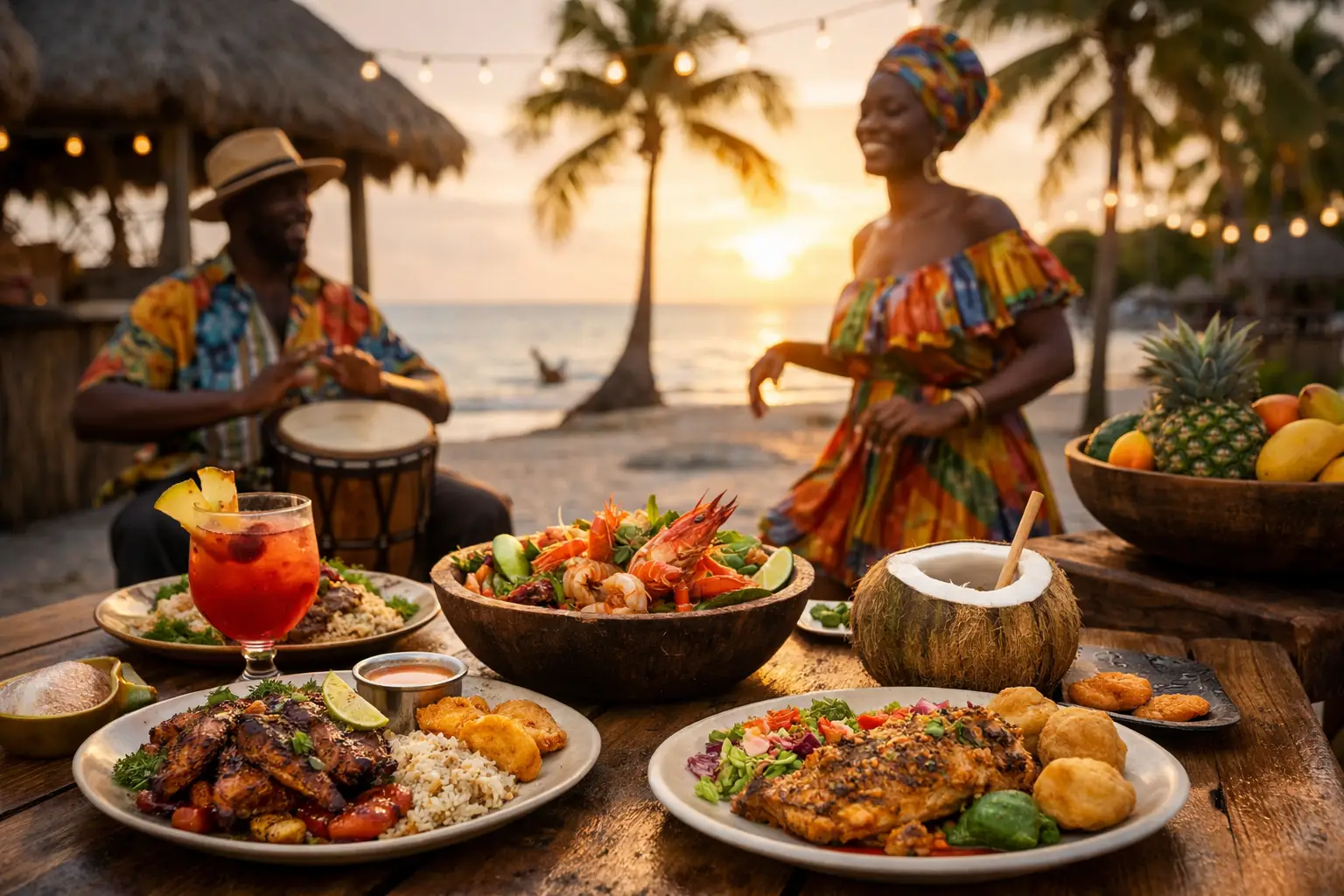

The best meals in the Caribbean are not always the ones with the best view. Sometimes, the table you remember most is the one where the food tells a story, the service feels personal, and every dish gives you something beyond a full plate. That is what makes a cultural dining experience Caribbean guests truly remember – it brings flavor, tradition, and hospitality together in a way that feels both exciting and comfortable.
For many visitors and locals, dining out is no longer just about finding something quick or familiar. People want a meal that feels worth leaving the beach, the resort, or the routine for. They want authenticity, but they also want to feel welcome. They want something different, but not intimidating. In the Caribbean, where travel, culture, and hospitality naturally meet, that balance matters.
What makes a cultural dining experience Caribbean diners value?
A real cultural dining experience is not created by decor alone. Music, artwork, and ambiance can help set the mood, but guests know the difference between a themed restaurant and a place with genuine culinary identity. What people remember is whether the flavors feel true, whether the service is attentive, and whether the overall experience feels sincere.
Authenticity starts in the kitchen. It comes from recipes that respect tradition, ingredients used with care, and chefs who understand not only how a dish should taste, but why it matters. A menu with depth immediately feels different from one built around generic versions of popular dishes. Guests may not know every regional detail, but they can taste when a restaurant cooks with confidence.
Hospitality matters just as much. In the Caribbean, warmth is expected, and rightly so. A memorable meal often comes down to how a guest is greeted, how questions are answered, and whether the staff helps people feel at ease. For travelers trying something new, especially with cuisines they may not know well, thoughtful guidance can turn curiosity into comfort.
Why cultural dining stands out in the Caribbean
The Caribbean is already a region shaped by movement, influence, and exchange. People arrive looking for beauty, rest, and memorable moments, so restaurants are part of that experience whether they intend to be or not. A standard meal may satisfy hunger, but a culturally rooted restaurant gives guests a stronger sense of place, even when the cuisine itself comes from another part of the world.
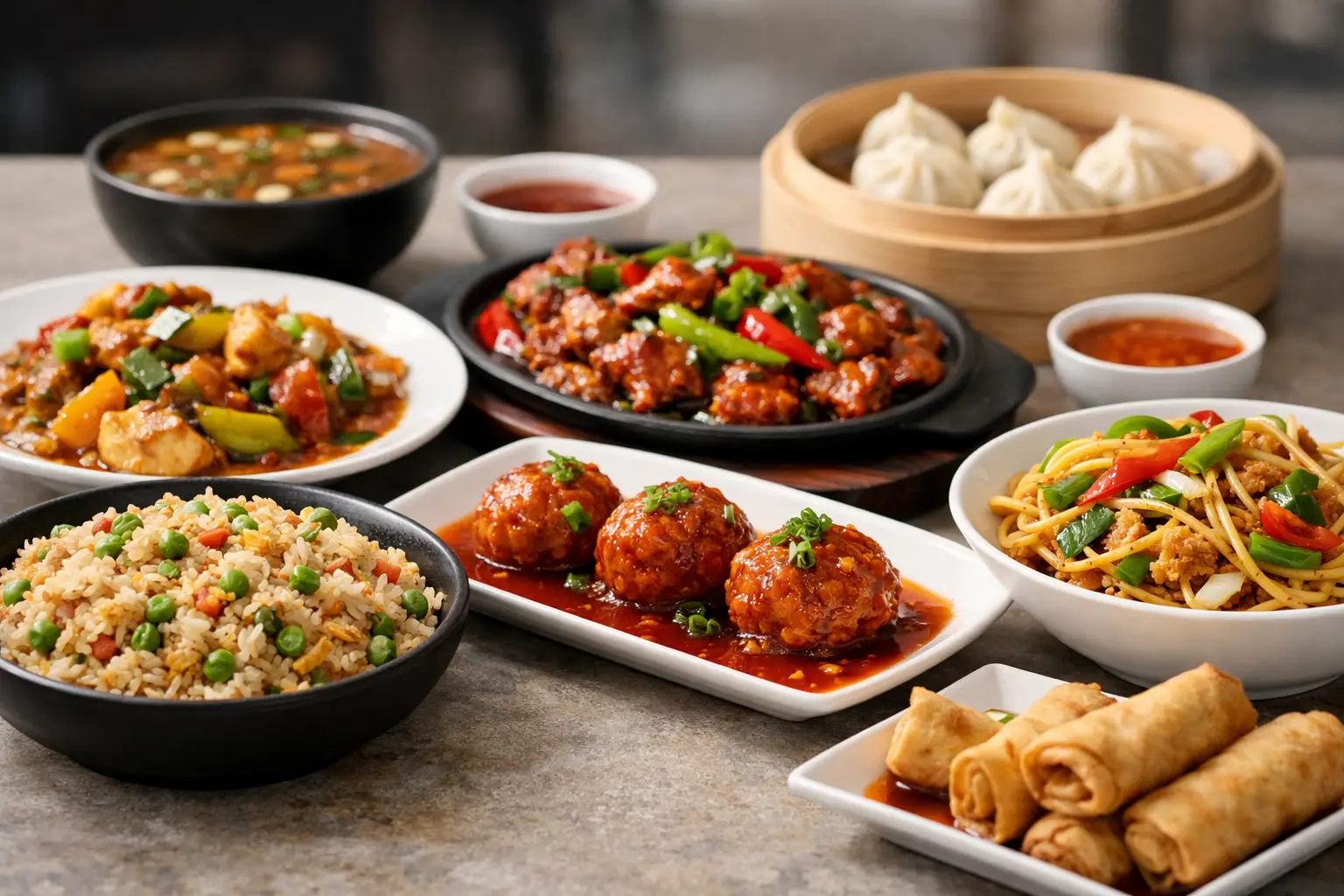
That may seem surprising at first. How can Himalayan, Indian, or Indo-Chinese food feel at home in the Caribbean? The answer is simple. The Caribbean has long embraced layered identity. It is a place where global influences meet local hospitality. When authentic cuisine is served in a setting that is warm, relaxed, and service-driven, the result feels natural rather than forced.
This is why cross-cultural restaurants can do so well here. They offer something more personal than typical tourist dining and more memorable than a predictable chain-style meal. Guests get to enjoy discovery without giving up comfort.
The flavors matter, but so does the feeling
A strong cultural dining experience Caribbean restaurants offer has to work on more than one level. Yes, the food has to be excellent. But the atmosphere has to support the meal rather than compete with it.
For some diners, that means a quiet dinner where they can share dishes, ask questions, and enjoy balanced spice. For others, it means a lively family meal with enough variety that everyone at the table finds something they love. A couple may be looking for a special evening out, while a family with children may want authenticity without worrying that the menu will be too narrow. The best restaurants understand both needs.
That is where flexibility becomes part of hospitality. Adjustable spice levels, broad menu variety, and staff who can make thoughtful recommendations all help make cultural cuisine more accessible. There is a difference between watering down a food tradition and welcoming guests into it. The right restaurant never loses its identity. It simply knows how to meet people where they are.
Authentic cuisine should still feel inviting
Some diners hear words like Nepalese, Newari, or Indo-Chinese and assume the experience may be too unfamiliar. In reality, unfamiliar can be one of the most rewarding parts of dining out, especially when the restaurant makes the experience easy to enjoy.
A guest might start with a comforting favorite, then try a regional specialty they have never seen before. They may choose mild seasoning on one visit and return later ready for bolder heat. That journey matters. It builds trust and turns first-time visitors into repeat guests.
This is especially relevant in a destination market like St. Maarten, where restaurants serve both residents and travelers. Locals often want quality, consistency, and a place that feels worth returning to. Tourists often want something memorable they cannot get everywhere else. A restaurant that delivers both has a clear advantage.
Newa Chopstix fits that space naturally by bringing authentic Himalayan flavors into a Caribbean setting with a menu designed for discovery, comfort, and genuine guest care. It offers the kind of experience that feels special without feeling formal.
What guests look for in a cultural dining experience
Trust plays a bigger role than many restaurants realize. Guests want to know the food is authentic, but they also want to feel confident before they order. Experience in the kitchen matters. A long-standing chef background matters. Positive guest feedback matters. Clean presentation, a welcoming room, and attentive service all reinforce that confidence.
For many US visitors, especially those exploring beyond resort dining, reassurance is part of what makes them book a table. They may be adventurous, but they still want signs of quality. A restaurant that clearly delivers on taste, atmosphere, and service stands out quickly.
Memorability matters too. People share meals that feel like stories. They talk about the dish they had never tried before, the staff member who guided them well, or the place that felt warm from the moment they walked in. That kind of word-of-mouth is hard to manufacture. It usually comes from doing the basics exceptionally well.
The trade-off between broad appeal and true identity
There is always a balance to manage in hospitality. If a restaurant becomes too focused on pleasing everyone, it can lose the very character that made it interesting. If it becomes too rigid, it risks making new guests feel excluded. The best cultural dining experiences avoid both extremes.
A menu can be approachable without becoming generic. Service can be informative without becoming formal or overly scripted. A dining room can feel distinctive without becoming performative. This balance is especially important in the Caribbean, where guests often come from different backgrounds and have different comfort levels with international cuisine.
That is why thoughtful curation matters more than sheer volume. A broad menu helps, but only if quality stays high and the restaurant remains grounded in its culinary point of view. Guests may appreciate options, but they return for flavor, warmth, and consistency.
More than dinner, less than a performance
A cultural meal should never feel like a lecture, and it should not feel like a stage set either. The best version sits in the middle. It gives guests enough context to appreciate what they are eating, while letting the food and service carry the experience.
In practice, that might mean a server explaining a regional dish in plain language, suggesting pairings, or helping a table choose a mix of familiar and new plates. It might mean desserts that round out the meal with comfort and contrast, or a bar program that gives adults another way to settle in and enjoy the evening. These details matter because they shape how long guests stay, how relaxed they feel, and whether the meal becomes part of their trip highlights.
For families, this kind of ease is especially valuable. Parents want quality and authenticity, but they also want a place where children can eat well and everyone feels comfortable. For couples and groups, a warm setting with confident service makes it easier to slow down and enjoy the moment.
Why this kind of dining keeps growing
People are more selective about where they spend their dining dollars. They do not just want food that is good enough. They want meals that feel worth remembering. In the Caribbean, where hospitality is part of the region’s identity, cultural dining continues to grow because it gives guests something richer than convenience.
It offers discovery without pressure, comfort without sameness, and authenticity without distance. When a restaurant gets that right, it becomes more than a place to eat. It becomes part of how people remember their evening, their vacation, or their neighborhood.
The next time you choose where to dine, look for the place where tradition is treated with care and guests are treated like they matter. That is usually where the best evening begins.