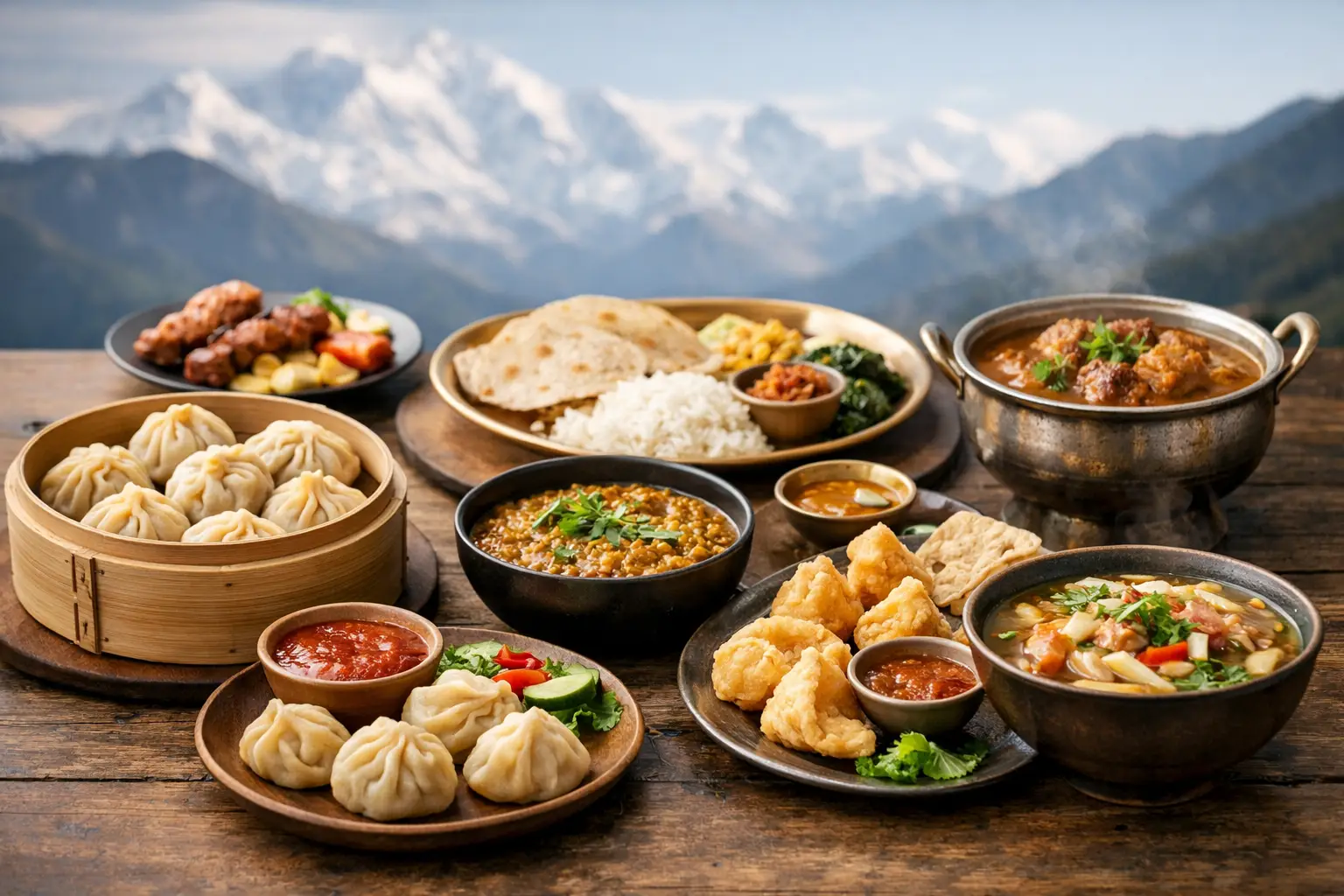

A steaming bowl set down at the table, dumplings still releasing heat, the aroma of ginger, garlic, and slow-cooked spices rising first – that is where top Himalayan comfort foods really begin. They are not flashy dishes made for a quick photo. They are the meals people turn to when they want warmth, depth, and the kind of satisfaction that lingers after the last bite.
Across Nepal and the wider Himalayan region, comfort food is built around balance. You will find rich broths, hand-shaped dumplings, rice plates with bold sides, and slow-cooked meats that carry real character. Some dishes are mild and soothing, while others bring a deeper chili heat. That range is part of the appeal, especially for diners who want authentic flavor without feeling boxed into one spice level or one style of meal.
What makes top Himalayan comfort foods so memorable
Himalayan comfort cooking is shaped by climate, community, and tradition. In colder mountain regions, food has to do more than taste good. It has to warm the body, fill you up, and often stretch across family tables. That is why so many beloved dishes center on broth, rice, dumplings, lentils, and carefully layered spice.
There is also a strong home-style quality to these meals. Even when the flavors are bold, they feel grounding rather than complicated. You taste ingredients with a purpose – turmeric for warmth, cumin for depth, garlic for richness, tomato for brightness, and chilies when the dish calls for extra fire. Nothing feels added just for effect.
For many guests trying Himalayan cuisine for the first time, the surprise is how approachable it is. Yes, there are distinctive regional flavors, but the comfort factor is immediate. If you love soups, stews, grilled meats, curries, or dumplings, there is an easy way in.
10 top Himalayan comfort foods worth ordering
1. Momos
If there is one dish that defines Himalayan comfort for many diners, it is momo. These dumplings are typically filled with chicken, lamb, vegetables, or paneer, then steamed or fried and served with a deeply flavorful chutney. A good momo has a tender wrapper, juicy filling, and enough seasoning inside that every bite stands on its own.
Steamed momos feel lighter and more delicate. Fried momos add crisp edges and a little extra richness. There is no wrong choice here – it depends on whether you want something soft and soothing or a plate with more crunch.
2. Thukpa
Thukpa is the kind of soup that earns loyalty fast. Built around noodles, broth, vegetables, and often chicken or another protein, it is hearty without feeling heavy. The broth is where the magic lives – savory, aromatic, and deeply comforting.
This is an especially good choice if you want something warm and filling but not overly rich. Some versions lean mild and restorative. Others carry a chili kick that slowly builds. Either way, thukpa feels like a meal that was designed to make you feel better.
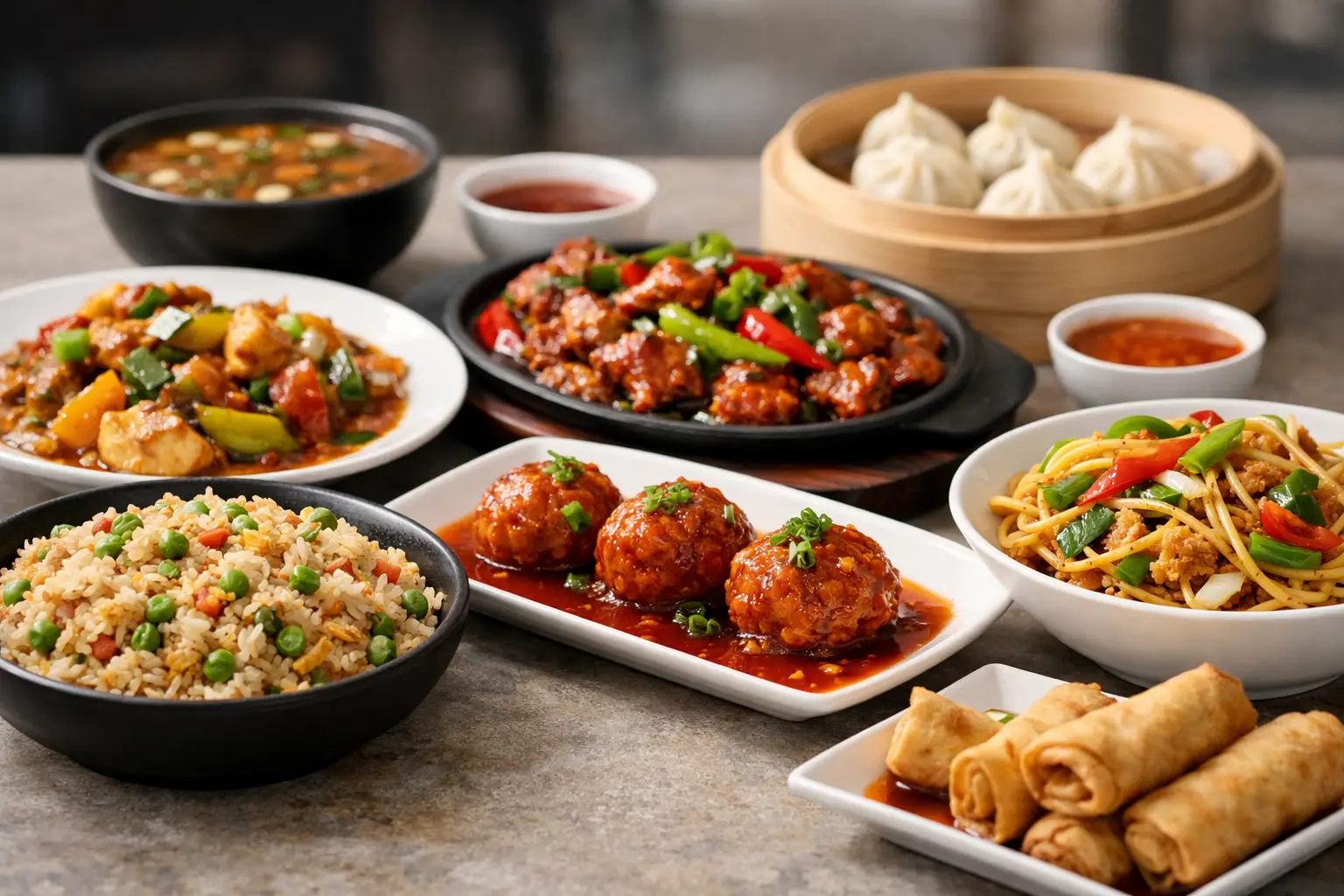
3. Chow Mein, Himalayan style
Many diners know chow mein through Chinese takeout, but the Himalayan and Indo-Chinese style has its own personality. The noodles are stir-fried with vegetables, aromatics, sauces, and your choice of protein, often with a touch more spice and smokiness.
What makes it comfort food is its familiarity. It is easy to crave, easy to share, and satisfying at almost any time of day. For families or groups, it is often one of the safest crowd-pleasers on the table.
4. Dal Bhat
Dal bhat is everyday comfort at its best. The core is simple – lentil soup served with rice – but the full plate often includes vegetable curry, pickles, greens, and sometimes meat. Together, it becomes a balanced and deeply satisfying meal.
This dish is less about dramatic presentation and more about reliability. It is nourishing, filling, and built for repeat eating. If you want to understand the soul of Himalayan home cooking, start here.
5. Sekuwa
Sekuwa is marinated meat, traditionally grilled over open heat until smoky and tender. Depending on the preparation, it can be made with chicken, lamb, pork, or goat. The seasoning usually brings together spices, herbs, garlic, ginger, and chili in a way that feels bold but focused.
This is comfort food with a little more edge. It is not as soft or soothing as soup or dumplings, but it delivers the same sense of satisfaction. If you enjoy grilled dishes with strong flavor and a slightly charred finish, sekuwa is hard to resist.
6. Chicken Curry
A well-made Himalayan-style chicken curry has warmth, depth, and enough sauce to keep you reaching for another spoonful of rice or bread. The flavors are layered rather than blunt, often built on onion, garlic, ginger, tomato, and a carefully judged spice blend.
The comforting part is its familiarity. Even first-time diners usually know what they want from a chicken curry – tenderness, richness, and balance. The Himalayan approach gives you that while adding more character from regional seasoning and technique.
7. Goat Curry
For diners who want something more robust, goat curry brings serious comfort. When cooked properly, the meat becomes tender and deeply infused with the spices around it. The sauce tends to be darker, fuller, and more intense than a standard chicken curry.
This dish is not always the first pick for cautious eaters, but it often becomes a favorite once tried. It has a slow-cooked depth that feels especially rewarding if you enjoy richer meats and more pronounced savory flavor.
8. Aloo Tama
Aloo tama combines potatoes and bamboo shoots, often with black-eyed peas or beans, in a curry or stew-like preparation that is tangy, earthy, and unique. It is one of those dishes that reminds you comfort food does not have to be predictable.
The bamboo shoots bring a distinct sharpness, so this may be less familiar for first-time diners. Still, that contrast is exactly why many people love it. It is hearty, memorable, and rooted in real regional character.
9. Fried Rice with Himalayan seasoning
Fried rice may sound simple, but in a Himalayan or Indo-Chinese kitchen, it becomes far more than a side dish. Tossed with vegetables, egg, or your choice of protein, it carries savory depth, a touch of spice, and the smoky finish that comes from proper wok cooking.
It is one of the easiest comfort dishes to order when you are dining with mixed preferences. Kids tend to enjoy it, adults can pair it with richer mains, and spice levels can often be adjusted without losing the dish’s appeal.
10. Gulab Jamun for a warm finish
Comfort food is not only about savory plates. Gulab jamun, soft milk-based dumplings soaked in syrup, brings a different kind of comfort at the end of the meal. It is sweet, fragrant, and best enjoyed warm.
For guests who like dessert but do not want anything cold or overly heavy, this is a gentle finish. It rounds out a Himalayan meal with the same sense of hospitality that defines the savory side.
How to choose the right Himalayan comfort dish
If you are new to these flavors, start with what you already know you enjoy. Dumpling lovers should order momos. Soup lovers should go straight to thukpa. If rice-based meals are your comfort zone, dal bhat, curry, or fried rice will feel natural.
Spice preference matters too. Some diners want heat, while others want flavor without too much fire. A good Himalayan dining experience should make room for both. That flexibility is part of what makes this cuisine work so well for couples, families, and mixed groups.
Texture is another factor people often overlook. Soft and brothy dishes like thukpa offer a different kind of comfort than grilled sekuwa or fried momos. Neither is better. It depends on your mood, your appetite, and whether you want something gentle or more lively.
Why these dishes work so well in a family-style meal
One of the best things about top Himalayan comfort foods is how naturally they fit a shared table. A basket of momos, a noodle dish, a curry, rice, and something from the grill gives everyone a different experience without losing the sense of one meal. You get warmth, contrast, and plenty of variety.
That is especially helpful for groups with different comfort levels around spice or unfamiliar cuisine. There is usually a familiar entry point alongside something more adventurous. Children might gravitate toward noodles or fried rice, while more curious diners branch into goat curry, aloo tama, or spicier chutneys.
At Newa Chopstix, that mix of authenticity and welcome matters. Guests want real Himalayan flavor, but they also want to feel comfortable ordering, sharing, and coming back for the dishes that hit home for them.
Comfort food should do more than fill the table. It should make people slow down, lean in, and remember why certain meals become favorites long after vacation ends or dinner is over.