
A steaming bowl of dal, a plate of fragrant rice, crisp vegetables, and a curry prepared to your preferred spice level can feel both comforting and exciting. That is part of what makes Nepalese cuisine benefits so appealing: the food brings satisfying flavor, generous variety, and time-honored ingredients to the table without asking every dish to be overwhelmingly hot or heavy.
For diners seeking something beyond familiar vacation fare, Nepalese food offers a memorable way to eat well while enjoying the warmth of a shared meal. Its roots are Himalayan, but its appeal is wonderfully universal – aromatic spices, balanced plates, and recipes made for gathering with family and friends.
1. It Builds Meals Around Lentils and Legumes
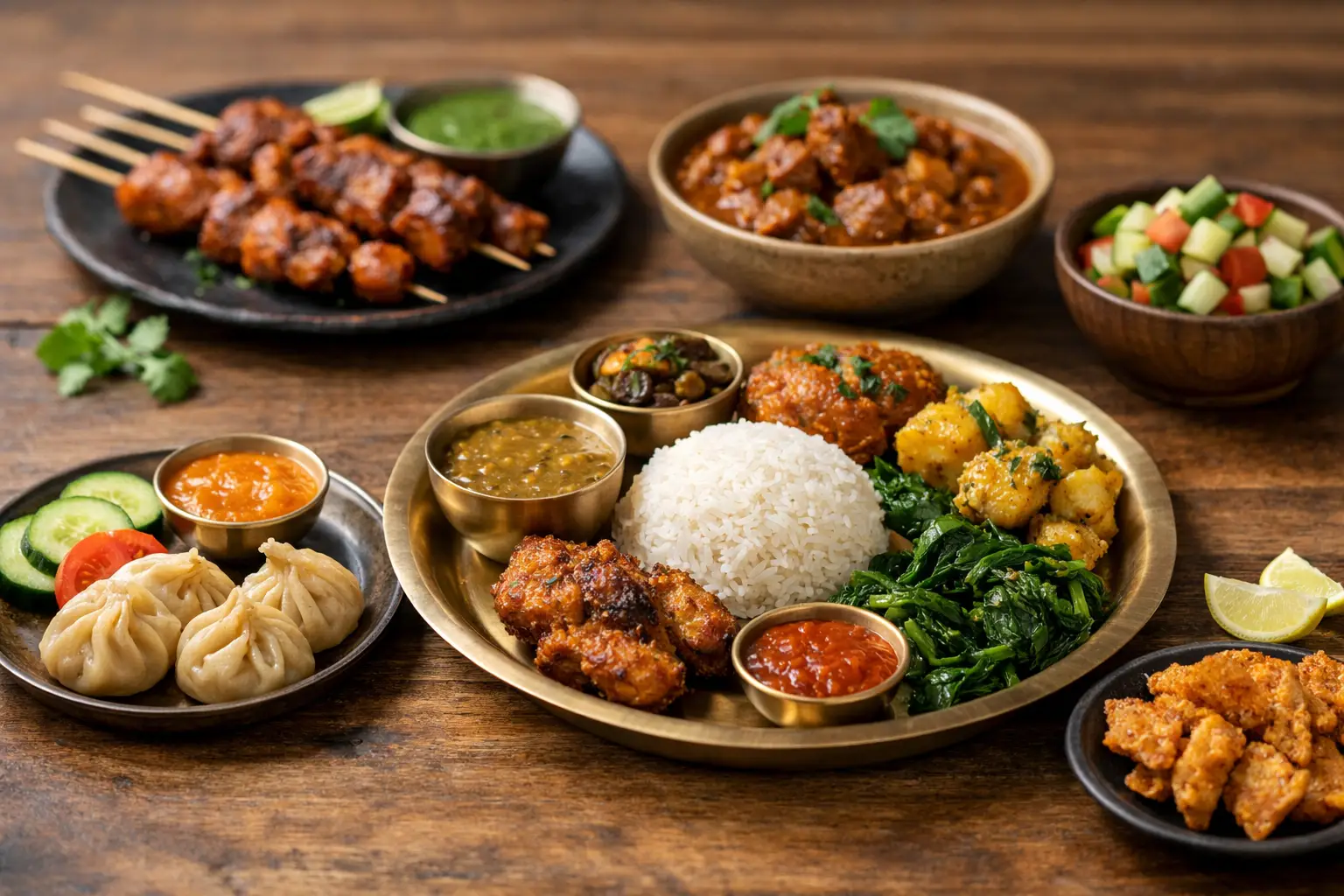
Lentils are a beloved foundation of Nepalese cooking, especially in dal, a gently seasoned lentil soup served with rice, vegetables, and accompaniments. Lentils provide plant-based protein, fiber, iron, and other nutrients that help make a meal feel truly satisfying.
A dal bhat-style meal is not meant to be a small side dish. It is a complete, comforting plate where each element has a purpose. The lentils bring warmth and body, while rice, vegetables, pickles, and curries add contrast. For guests looking for filling vegetarian-friendly choices, this style of dining can be especially rewarding.
2. Vegetables Get Real Attention
Nepalese cuisine makes room for vegetables as central parts of the meal, not merely decoration beside the entrée. Cauliflower, potatoes, spinach, cabbage, peas, tomatoes, green beans, and seasonal produce may appear in curries, stir-fries, soups, dumplings, and mixed plates.
Cooking methods matter. Vegetables are often sautéed or simmered with spices that bring out their natural character rather than covering it up. A well-prepared vegetable curry can be earthy, bright, savory, and deeply satisfying without relying on a rich cream sauce.
Of course, not every Nepalese dish is light. Fried snacks, buttery breads, and rich meat curries have a welcome place at the table too. The benefit is choice: diners can build a vegetable-forward meal, add a heartier favorite, or share a little of both.
3. The Spice Blends Add Flavor Without Needing Excess
One of the most enjoyable Nepalese cuisine benefits is the way spices create depth. Cumin, coriander, turmeric, ginger, garlic, fenugreek, chili, cardamom, and timur, a distinctive Himalayan pepper, can bring warmth, citrusy brightness, earthiness, or gentle heat.
Spices do more than make food hot. Turmeric gives color and an earthy note. Ginger and garlic add freshness and savory character. Cumin and coriander create the familiar toasted aroma that makes a curry feel inviting before the first bite. Many of these ingredients are also valued in traditional food cultures for their potential wellness properties, though no single spice turns a meal into medicine.
For most guests, the practical advantage is simple: bold flavor can come from thoughtful seasoning, not just added salt, sugar, or heavy sauces. At the same time, spice preference is personal. A mild curry can still be full of flavor, while those who enjoy more heat can choose a level that suits them.
4. It Offers Satisfying Protein Choices
Nepalese menus commonly offer a broad range of proteins, from lentils and chickpeas to chicken, lamb, goat, seafood, and paneer. This makes the cuisine easy to enjoy across different dietary preferences and appetites.
Momos are a favorite example. These Nepalese dumplings can be filled with vegetables, chicken, or other savory ingredients, then steamed or fried and served with a lively dipping sauce. Steamed momos offer a lighter option, while fried momos deliver extra crunch and indulgence. Neither is automatically the better choice – it depends on what kind of meal you are craving.
For a balanced table, pair protein-rich dishes with dal, vegetables, rice, or a fresh salad. This gives everyone something to enjoy, especially families and groups where one person wants a mild vegetarian dish and another wants a deeply spiced meat curry.
5. Fermented and Tangy Sides Wake Up the Plate
Pickles and chutneys are often small in portion but big in personality. Nepalese achar may combine vegetables, fruits, herbs, sesame, lemon, mustard oil, and spices for a tangy, spicy companion to rice, curries, and grilled dishes.
These sides make a meal more interesting because they create contrast. A spoonful of bright pickle can cut through the richness of a curry, while a fresh chutney can lift a warm dumpling or grilled entrée. Fermented foods are often associated with gut-friendly cultures, but preparation and ingredients vary widely. The most immediate benefit is flavor: a little acidity makes each bite feel fresh again.
6. Shared Dining Encourages Variety
Nepalese food is at its best when the table has options. Ordering a few dishes to share lets guests taste different textures and seasoning styles: soft rice, velvety lentils, crisp vegetables, tender curries, spicy pickles, and pillowy dumplings.
That variety can also make dining feel more balanced. Instead of ordering one oversized entrée, a group can combine a vegetable dish, a lentil dish, a protein entrée, and a side of rice or bread. It is a relaxed way to enjoy generous flavor while making space for different tastes.
For couples, families, and friends visiting St. Maarten, this is part of the experience. A shared Nepalese meal gives everyone a reason to talk about what they are tasting, compare favorite sauces, and reach for one more bite of the dish they did not order themselves.
7. It Makes Global Flavor Feel Approachable
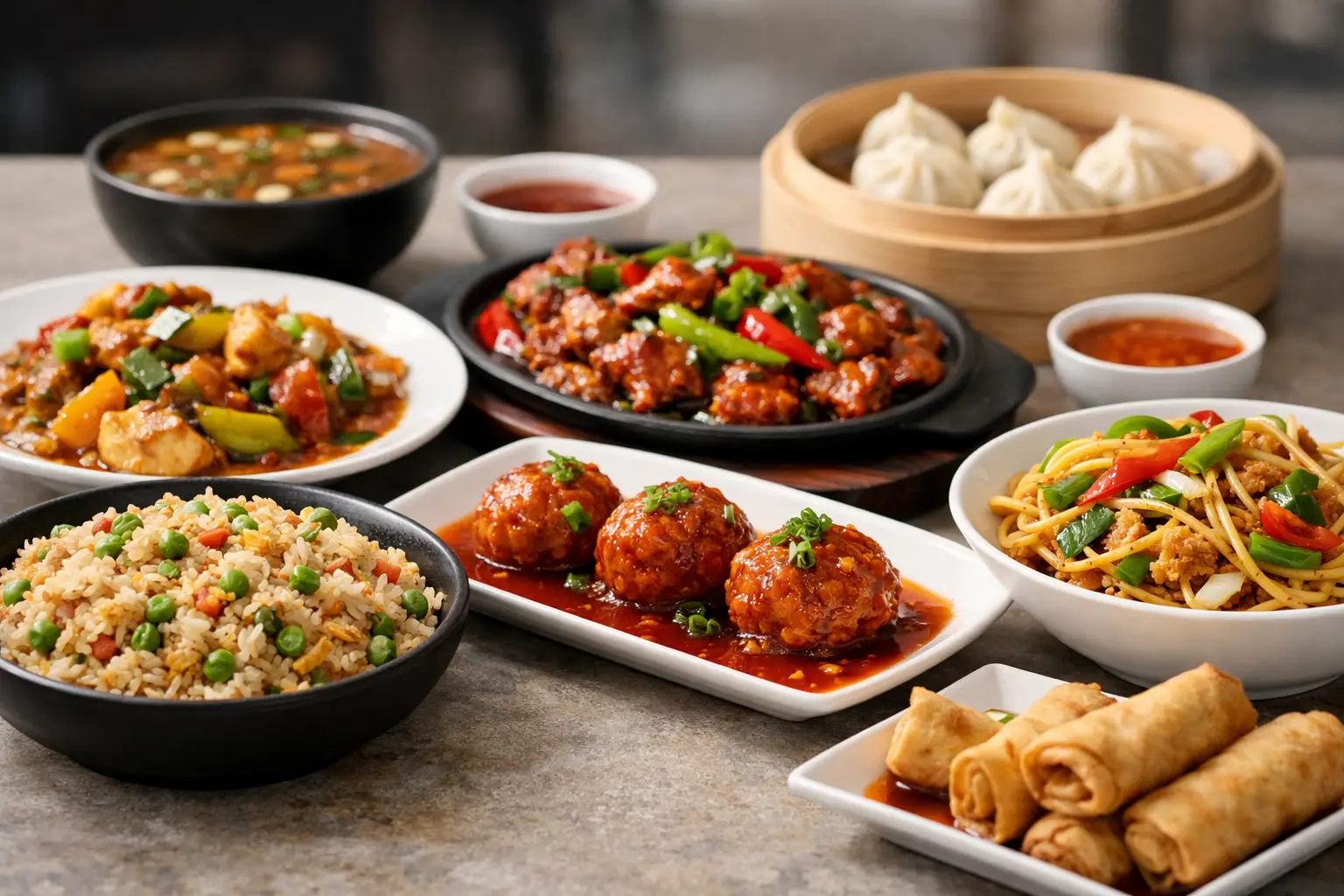
Authentic food should feel welcoming, not intimidating. Nepalese cuisine has plenty for adventurous eaters, from distinctive regional spices to bold pickles and dumplings, but it also has familiar points of entry. Rice, grilled meats, vegetable curries, noodles, soups, and fried appetizers make it easy for first-time diners to find a starting point.
This flexibility is particularly helpful for families. Children may enjoy milder noodles, rice dishes, or dumplings, while adults can explore richer curries and bolder spice levels. Guests who are accustomed to Indian or Indo-Chinese food may recognize a few flavors while discovering that Nepalese dishes have their own character, techniques, and Himalayan identity.
At Newa Chopstix, that balance of authenticity and guest care is part of the pleasure. Whether you are dining in after a day around Philipsburg or gathering for an easy family meal, choosing a spice level that fits your comfort lets the ingredients and the chef’s craft come through clearly.
How to Enjoy Nepalese Cuisine Benefits at Your Table
Start with a combination rather than a single dish. Choose dal or another lentil-based option, add a vegetable curry, and include momos or a protein entrée to share. Rice is a natural match, while a tangy pickle or chutney can bring welcome contrast.
If you are new to the cuisine, ask for mild or medium spice and work upward on your next visit. Heat is only one part of the flavor story. The goal is not to prove how much chili you can handle; it is to enjoy the layers of ginger, garlic, toasted spices, fresh herbs, and carefully prepared ingredients.
A good meal should leave you happy, comfortably full, and curious about the next dish. Let your first Nepalese meal be generous, shared, and tailored to your table – that is where the real benefit begins.