
A spontaneous dinner can be one of the best parts of a St. Maarten evening. But are reservations needed for dinner when you have been looking forward to bold Himalayan spices, a shared table, and a relaxed night out? Often, booking ahead is the best way to protect the experience you came for – especially when dinner is part of a vacation celebration, family outing, or date night.
Reservations are not always required for a satisfying meal, and walk-in guests can certainly be accommodated when tables are available. Still, a reservation gives you something valuable: confidence. You can arrive knowing that a table is being held for your party, rather than changing plans because the dining room is at its busiest.
Are Reservations Needed for Dinner at Busy Times?
For dinner during peak hours, the practical answer is usually yes. The busiest periods tend to be weekend evenings, holiday periods, school breaks, and the high tourism season. Tables may also fill quickly before or after popular local events, when guests are looking for a comfortable place to gather over good food and drinks.
If your dinner matters to the schedule for the rest of your night, reserve it. This is especially true when you have a show, a casino visit, an early excursion the next morning, or guests arriving from different parts of the island. A confirmed table removes the uncertainty and lets everyone settle in sooner.
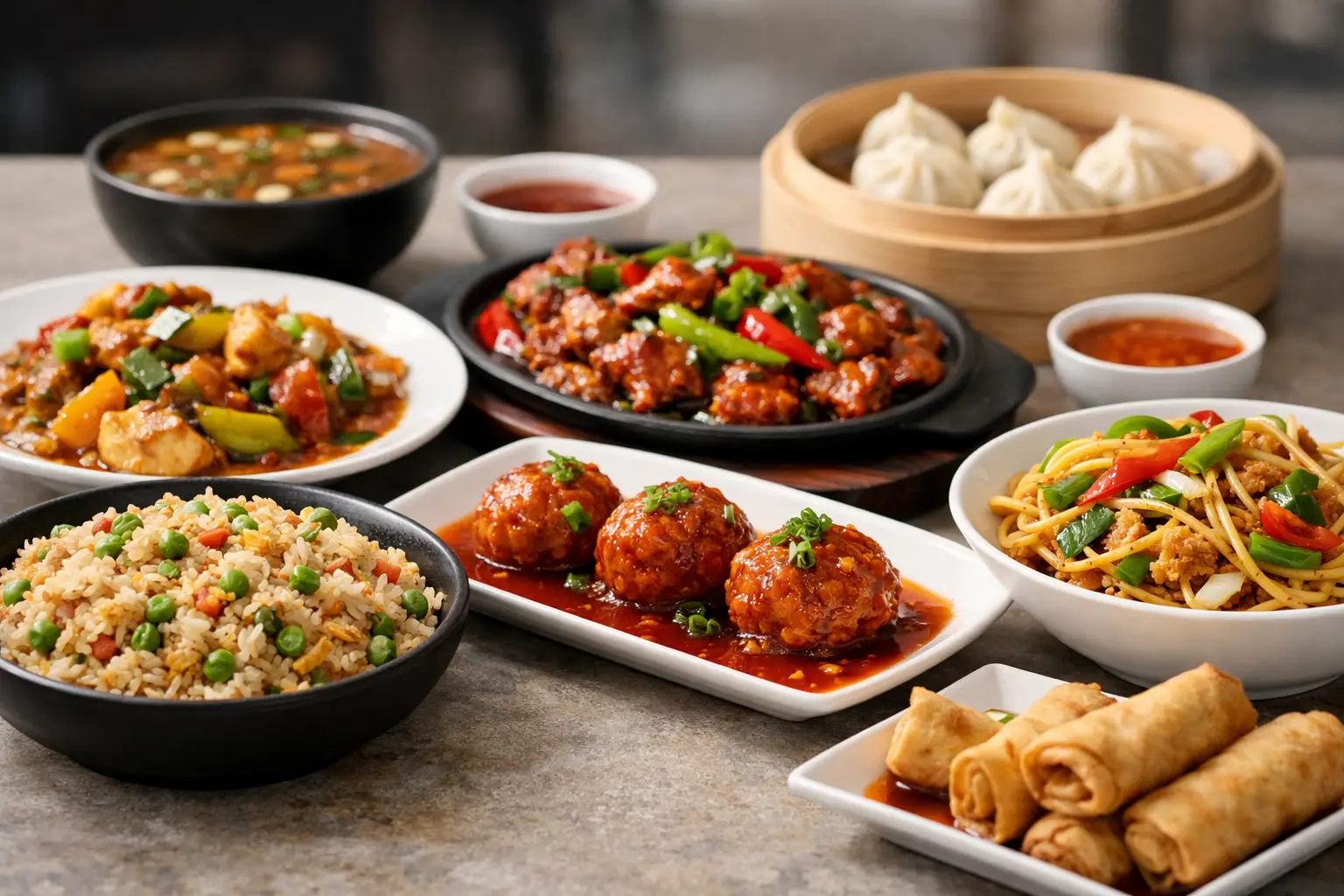
At Newa Chopstix, dinner is designed to feel more personal than a quick stop between activities. Nepalese, Newari, Indian, and Indo-Chinese dishes invite people to slow down, taste something different, and share a meal that feels special without feeling formal. Reserving ahead helps the restaurant prepare to welcome your group with the attentive, home-like hospitality it deserves.
Times when a reservation is strongly recommended
A reservation is a smart choice when you are dining with six or more people, bringing children or older family members, celebrating a birthday or anniversary, or hoping to dine at a specific time. These are the occasions when waiting for a table can take the shine off an otherwise lovely evening.
It is also worth booking if someone in your party has a food preference or needs help choosing a comfortable spice level. A little advance notice allows the team to be ready to guide your table through the menu. Guests can enjoy gentle, aromatic dishes or request more heat, depending on their taste.
When Walk-Ins Can Work Well
Walk-ins can be a great option on quieter weeknights, earlier in the evening, or later after the main dinner rush. If you are a couple with flexible timing, arriving without a reservation may work out beautifully. The key is being open to the next available table rather than expecting immediate seating at a precise time.
For visitors, this flexibility can be useful after a long beach day or an unplanned afternoon in Philipsburg. If you suddenly decide that you want momos, fragrant curries, sizzling Indo-Chinese favorites, or a comforting plate of Newari specialties, it is always reasonable to ask about availability.
The trade-off is simple. A walk-in keeps your plans spontaneous, while a reservation gives your evening more certainty. Neither choice is wrong. It depends on the size of your party, the day, and how much timing matters to you.
Dinner Reservations Make Group Meals Easier
A group dinner has more moving parts than a table for two. Friends may arrive at different times. Children may be hungry earlier than expected. One guest may want a cocktail while another is eager to order right away. Reserving a table gives everyone a clear plan and gives the restaurant a better opportunity to arrange seating comfortably.
For families, this matters even more. A broad menu means there can be something for adventurous diners, spice lovers, and guests who prefer familiar flavors. Sharing a few dishes can turn dinner into a small culinary journey, but a crowded arrival or a long wait can be difficult with young diners. A reservation lets the evening begin on a calmer note.
Traveling groups should also book ahead whenever possible. On vacation, dinner is often the one time everyone is together. A confirmed table means less time coordinating by phone and more time enjoying conversation, drinks, and a meal worth remembering.
How Far Ahead Should You Reserve Dinner?
For a normal weeknight, reserving a day or two ahead is often a comfortable approach. For Fridays, Saturdays, holidays, and larger parties, earlier is better. If you already know the date, there is little reason to wait until the last minute.
You do not need to overthink it. Have a few details ready when you contact the restaurant: your preferred date and time, the number of guests, and whether you are celebrating anything. Mentioning children, mobility needs, or dietary preferences can also be helpful. These details allow the team to offer the best possible seating and service from the start.
If your plans are still flexible, ask about the quieter dining windows. An earlier reservation can be ideal for families, while a later table may suit couples who want to linger over dinner and drinks. Choosing a time that fits your own pace makes the meal feel more enjoyable.
What a Reservation Cannot Guarantee
A reservation is not a promise that every part of the evening will run exactly to the minute. Island traffic, weather, delayed arrivals, and large parties can affect the rhythm of any dining room. Letting the restaurant know if your group is running late is a thoughtful courtesy and helps keep the table available for you.
It is also good to remember that a reservation secures your place, not necessarily a particular table unless that has been specifically confirmed. If you have a seating preference, ask politely when you book, but remain flexible. Warm service and great food matter far more than one specific corner of the dining room.
For the smoothest arrival, plan to come close to your reservation time and make sure your full party is ready when possible. That small bit of consideration helps the restaurant care for every guest well, including the people arriving after you.
A Simple Way to Decide
Before heading out, ask yourself four questions:
- Is this a weekend, holiday, or busy tourism period?
- Is my party larger than a few people?
- Do we need to eat at a specific time?
- Is this dinner part of a celebration or a limited vacation schedule?
If the answer is yes to even one or two, reserve your table. If your evening is completely open and you are happy to wait if needed, a walk-in can be a pleasant, easy choice.
A great dinner should begin with anticipation, not uncertainty. Whether you reserve ahead or stop in on a quieter evening, choose the plan that gives your table more time for warm conversation, generous flavors, and the kind of welcome that makes a meal feel like a memory.