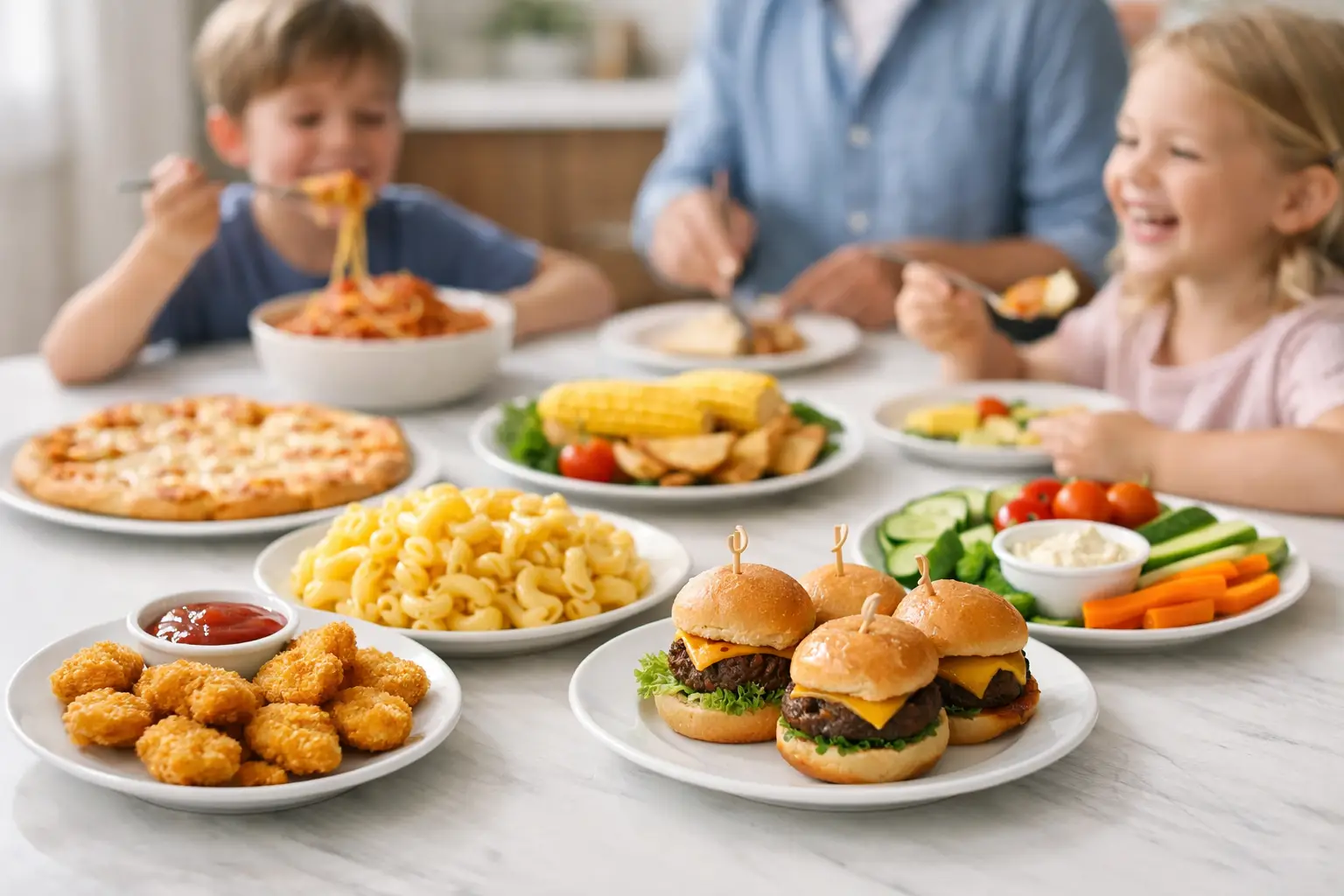

A family meal goes better when children can find something familiar, flavorful, and comfortable on the table – while adults still get to enjoy the dishes they came for. If you are wondering what dishes are good for kids, the best answer is not simply “plain food.” It is food with approachable flavors, flexible spice, easy-to-manage textures, and a little room to explore.
Nepalese, Indian, and Indo-Chinese cooking offers plenty of family-friendly possibilities. Fragrant rice, tender noodles, warm breads, lightly seasoned proteins, and crisp vegetable dishes can give young diners a memorable introduction to new flavors without asking them to take a big leap.
What dishes are good for kids at a family restaurant?
The most successful kid-friendly dishes usually have a few things in common. They are mildly seasoned, recognizable in appearance, and easy to share or eat with a fork, spoon, or fingers. A child who is unsure about a richly spiced curry may happily try a piece of naan first, then scoop up some rice, then taste a small bite of sauce on their own terms.
That matters because children do not all react to flavor the same way. One may love a gentle tomato-based curry at age five, while another may prefer simple fried rice at age nine. The goal is not to make every dish bland. It is to create a relaxed meal where every guest has a choice that feels right for them.
At Newa Chopstix, families can ask for guidance on spice levels, which makes it easier to order food that suits both adventurous eaters and cautious first-timers. Starting mild does not mean missing out on authentic flavor. It means allowing aromatic ingredients, fresh vegetables, slow-cooked sauces, and quality proteins to take center stage.
Start with familiar favorites in a new setting
Fried rice and noodles
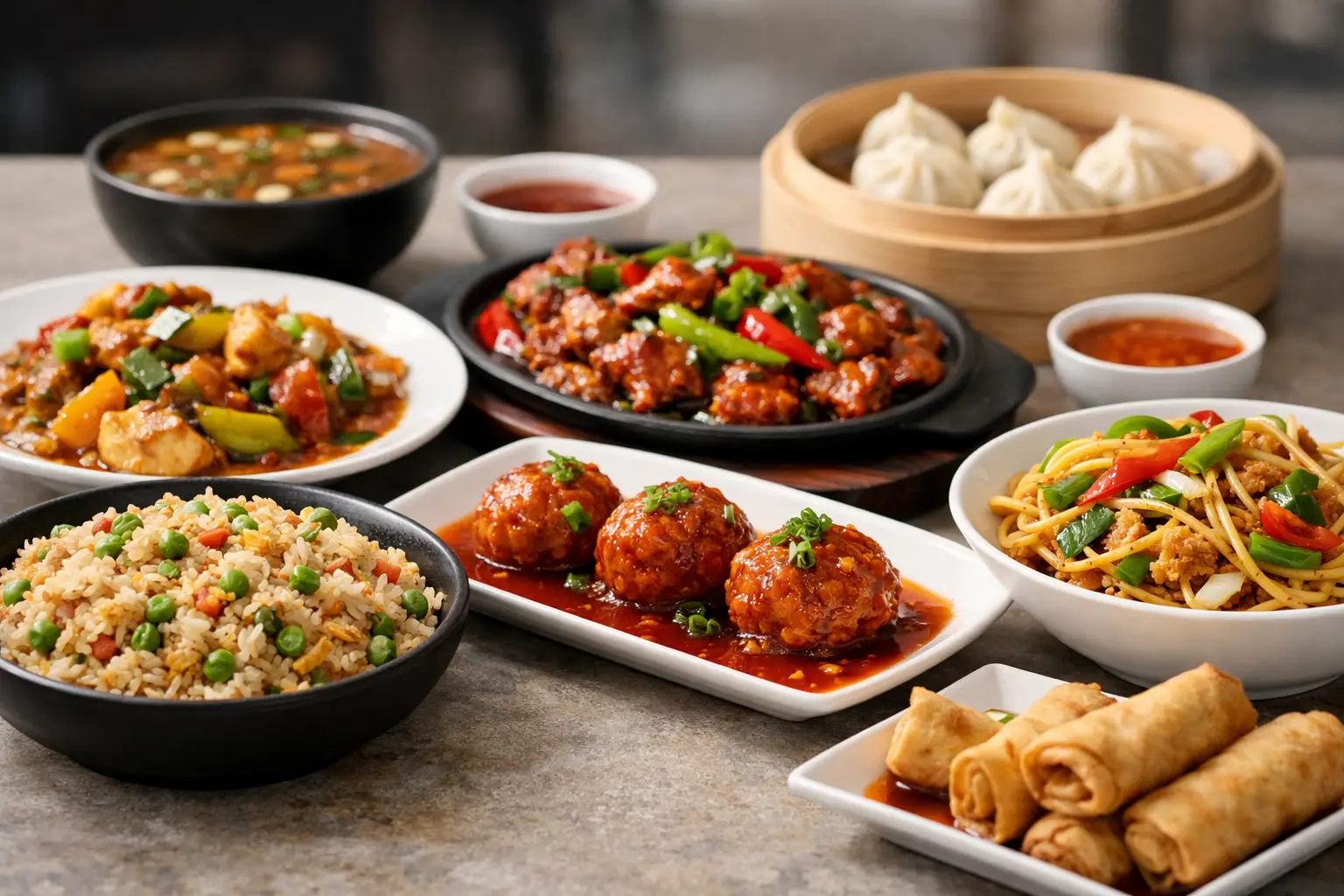
Fried rice is often one of the easiest choices for children. The grains are soft, the flavors are usually balanced, and parents can choose versions with vegetables, egg, chicken, or other proteins. It is filling without being heavy and works especially well when a child wants something they already recognize.
Noodle dishes are another reliable family-table favorite. Chow mein-style noodles have a satisfying texture and can be made with gentle seasoning. Children often enjoy picking up noodles with a fork, while adults appreciate that the dish still delivers the savory, wok-cooked character that makes Indo-Chinese cuisine so appealing.
For very young children, it may help to request a mild preparation and serve a small portion first. Noodles can be cut shorter if needed, and rice dishes are easy to pair with a side of protein or vegetables.
Chicken dishes with mild sauces
Tender chicken is a familiar starting point for many young diners. A mild chicken curry, butter-style chicken, or lightly seasoned stir-fry can be a good choice when a child is ready to try something beyond fried foods. Creamy or tomato-forward sauces tend to feel less intimidating than darker, hotter curries.
The trade-off is sweetness and richness. Some children love a smooth, gently sweet sauce, while others prefer their chicken less saucy. If your child is particular about texture, ask for rice or bread alongside the dish so they can try the sauce in small amounts rather than committing to a full bite.
Chicken can also be a smart shared order for the table. Parents can enjoy it with a hotter side or condiment, while kids keep their portion mild. That flexibility lets one dish work for different tastes without requiring everyone to eat the same thing.
Naan and other warm breads
Fresh warm bread is more than a side dish for children. It is an easy, comforting way to participate in the meal. Naan can be torn into small pieces, enjoyed on its own, or used to taste a mild curry or dip.
For hesitant eaters, bread provides a familiar anchor on a table filled with new aromas and colors. It also makes meals feel more communal. Instead of asking a child to finish an unfamiliar entrée, invite them to build a bite: a small piece of naan, a little rice, and a tiny spoonful of chicken or vegetables.
Gentle ways to introduce Nepalese and Indian flavors
Children can be excellent food explorers when the pressure is low. Rather than framing a dish as something unusual, describe what they will notice: soft rice, crispy vegetables, noodles, chicken, or a creamy sauce. Straightforward language is reassuring, especially for kids who care about knowing what is on their plate.
Momos can be a wonderful example. These filled dumplings are easy to hold, fun to share, and familiar in shape to children who enjoy dumplings in other cuisines. Start with a mild filling and offer sauce on the side. Sauce on the side is a simple detail, but it gives children control over how much heat and flavor they want to try.
Mild vegetable dishes can work well, too, especially when the vegetables are cooked until tender and paired with rice. A child may not want a full serving of vegetables in a complex sauce, but they may be willing to taste one carrot, pepper, or pea alongside a food they already like.
This is also where family-style ordering shines. Choose one familiar dish, one gentle introduction, and one dish the adults are excited to enjoy. Kids see the adults tasting and sharing, which often creates more curiosity than a separate “kids meal” ever could.
Choosing the right spice level for children
Spice is personal, and it is worth being specific when ordering. “Mild” can mean different things in different kitchens, so let your server know if a child is sensitive to heat or completely new to spicy food. A well-prepared mild dish should still be aromatic and satisfying, not stripped of its character.
It also helps to distinguish heat from flavor. Cumin, coriander, ginger, garlic, turmeric, and cinnamon can add wonderful warmth without making a dish hot. Children who say they do not like “spicy food” may actually enjoy these flavors once the chile heat is kept low.
If someone at the table loves extra heat, it is usually better to add it separately than to make a shared dish hotter from the start. That approach protects the child-friendly portion and lets adults customize their own plate. Rice, yogurt-based sides when available, and bread can also soften heat if a bite turns out stronger than expected.
A better family order is built for sharing
When dining with kids, variety is usually more useful than a large individual entrée. A shared table lets everyone have a comfortable choice and reduces the risk of ordering a full dish a child will not touch. It also turns dinner into an experience rather than a negotiation.
A balanced family order might include a rice or noodle dish, a mild chicken or vegetable option, warm bread, and a few dumplings or appetizers to share. This gives children familiar textures while letting parents enjoy the depth of Himalayan, Indian, and Indo-Chinese cooking.
Be mindful of individual dietary needs, too. Ask about ingredients if your child has food allergies or follows a vegetarian diet. Restaurants can often suggest suitable options, but it is always best to communicate clearly before ordering. For toddlers, consider portions, salt, and texture as well as spice, since what works for an older child may not suit a very young one.
Make the meal feel like an invitation, not a test
The best kid-friendly dish is often the one that gives a child one small win: their first bite of a dumpling, a piece of naan dipped in a mild sauce, or noodles shared from the center of the table. There is no need to force an adventurous order. Familiar foods can sit comfortably beside new ones, and both have a place in a great family meal.
When children are welcomed into the experience with mild options, patient service, and food made for sharing, they may leave with more than a full stomach. They may leave asking which dish they can try next time.