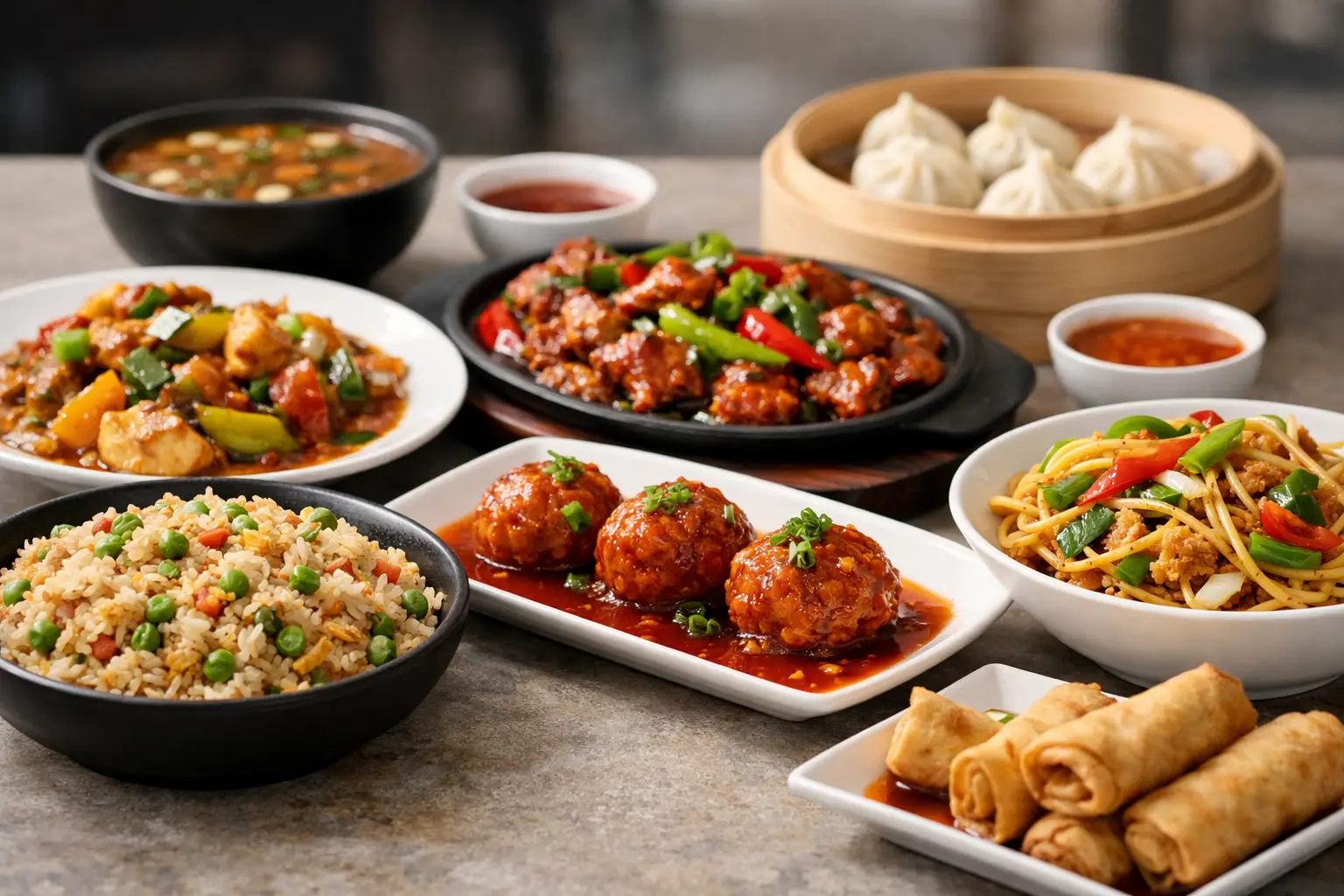
You can tell a lot about a cuisine by the way it makes people slow down at the table. Nepali food does that almost immediately. One bite may bring warmth from ginger and cumin, another may feel rich and comforting, and the next might carry a bright hit of pickle, herbs, or chili. It is food with depth, but it is also food that feels welcoming from the start.
For many diners, Nepalese cuisine is a pleasant surprise because it does not fit neatly into one familiar category. It shares some ingredients with Indian cooking, borrows technique and influence from Tibet and China, and still keeps a character that is very much its own. That is exactly why it stands out. If you enjoy meals that feel authentic, generous, and full of personality, this is a cuisine worth getting to know.
What makes nepali food different
The easiest mistake is to assume Nepali food is simply a variation of Indian food. There are similarities, especially in the use of spices, curries, rice, lentils, and grilled meats. But the balance is different. Nepali cooking often leans toward cleaner, more direct flavors where the ingredients still speak clearly. The spice can be bold, but it does not need to overwhelm the dish.
Texture also plays a big role. A meal might combine soft rice, savory lentils, tender meat, crisp pickles, and a chutney that adds sharpness in just the right amount. That contrast is part of the pleasure. Instead of one dominant note, you get a complete plate that feels layered and satisfying.
There is also a strong sense of comfort in the cuisine. Many classic dishes were shaped by everyday family cooking and regional traditions from the Himalayan landscape. That means hearty soups, hand-folded dumplings, grilled meats, and practical, deeply flavorful combinations built around rice and lentils. The result is food that can feel festive on one visit and deeply familiar on the next.
The dishes most people fall for first
If you are new to Nepali food, a few dishes tend to win people over quickly because they are approachable while still showing the cuisine’s identity.
Momos
Momos are often the first favorite, and for good reason. These dumplings are one of the most loved foods in Nepal. They may be filled with chicken, vegetables, or other meats, then steamed or fried and served with a chutney or dipping sauce that adds heat and tang. They look simple, but a good momo has balance – delicate wrapper, juicy filling, and a sauce that wakes everything up.
For diners who like sharing plates, momos are an easy place to start. They are familiar enough to feel comfortable, but the seasoning and accompaniments make them distinct.
Dal bhat
Dal bhat is one of the true foundations of Nepali eating. At its core, it is lentil soup served with rice, often accompanied by vegetables, curry, pickle, and sometimes meat. On paper, it sounds humble. On the table, it can be deeply satisfying.
This is where you see the everyday heart of the cuisine. The lentils bring warmth and body, the rice keeps the meal grounding, and the side dishes add brightness, heat, or richness depending on the preparation. It is not flashy food. It is dependable, complete, and quietly excellent when made well.
Chow mein and stir-fried favorites
Nepal’s food culture also carries strong cross-border influence, which is why stir-fried noodles and Indo-Chinese style dishes are so popular. Nepalese chow mein often has a savory, smoky appeal, with vegetables or meats tossed in a way that keeps the dish lively and satisfying.
This style appeals to diners who want something a little familiar but still more interesting than standard takeout noodles. The flavor profile is usually more layered, and it fits naturally into a menu that moves between dumplings, curries, grilled items, and rice plates.
Sekuwa and grilled meats
For guests who enjoy bold, savory dishes, grilled meats are often a highlight. Sekuwa, a Nepalese style of marinated grilled meat, brings together spice, smoke, and tenderness in a way that feels both rustic and celebratory. It works well as a shared appetizer or as the centerpiece of a meal.
The appeal here is straightforward. It is deeply seasoned food that still tastes like the ingredient itself, not just the marinade.
Newari flavors add another layer
To understand Nepali food more fully, it helps to know that Nepal contains distinct food traditions within the broader cuisine. Newari food, from the Kathmandu Valley, is especially celebrated for its rich flavor, variety, and memorable spice combinations.
Compared with milder everyday dishes, Newari cooking can be more intense and festive. You may find spiced meats, beaten rice, lentil preparations, pickles, and dishes with a stronger savory edge. For diners who enjoy going beyond the basics, this is often where a meal becomes even more exciting.
There is a reason guests who care about authenticity pay attention to whether a restaurant truly understands these regional traditions. Good Nepalese cooking is not only about serving curry or dumplings. It is about knowing when a dish should be delicate, when it should be fiery, and how all the pieces come together on the plate.
Is nepali food spicy?
Sometimes yes, sometimes not. That is one of the best things about it.
Many dishes are flavorful rather than aggressively hot. Aromatics like garlic, ginger, turmeric, cumin, coriander, and timur, a Nepalese pepper with a distinctive citrusy quality, can build complexity without making a dish too intense. Then, if you enjoy real heat, pickles, chutneys, and chili-forward preparations can take the meal in that direction.
This flexibility matters for mixed groups and families. One person may want a gentle, comforting curry while someone else is looking for more fire and edge. A good restaurant understands that spice should suit the guest, not challenge them for no reason.
Why it works so well for shared dining
Nepali food is especially rewarding when ordered for the table. Dumplings, grilled meats, rice dishes, curries, lentils, and noodles naturally complement one another. You do not have to commit the whole meal to one flavor direction.
That makes it a strong choice for date nights, family dinners, and group outings. One person can go for something grilled, another can choose a saucy curry, and someone else can stay with dumplings or noodles. The meal still feels connected because the flavors belong to the same culinary story.
This is also part of what makes the cuisine appealing in a destination dining setting. People want something memorable, but they also want everyone at the table to leave happy. Nepalese food meets both needs when it is prepared with care.
What to look for in a great Nepalese restaurant
Authenticity matters, but so does hospitality. The best experience comes from a restaurant that knows the cuisine deeply and also knows how to welcome first-time guests without making the menu feel intimidating.
That usually means a kitchen with real command of seasoning, texture, and regional dishes, plus a service style that helps guests choose well. Menus should feel broad enough to suit different tastes, but focused enough that the food still feels intentional. If spice levels can be adjusted thoughtfully, that is another good sign.
At a place like Newa Chopstix, that balance is exactly what makes the experience special. Guests can enjoy authentic Himalayan flavors in a setting that feels relaxed, warm, and approachable, whether they are trying momos for the first time or returning for a favorite grilled dish.
The best first order if you are curious
If you are unsure where to begin, start with momos, add a grilled or stir-fried dish, and include a rice or lentil-based plate for comfort and balance. That gives you a good sense of the cuisine’s range without overcomplicating the meal.
If you already love bold flavors, ask for something with stronger regional character or a more traditional preparation. If you prefer milder dishes, there are still plenty of satisfying options that let the herbs, aromatics, and savory depth do the work.
The beauty of Nepali food is that it meets you where you are. It can be adventurous without being difficult, comforting without being plain, and memorable without trying too hard. If your next meal is meant to feel a little more special than the usual choice, this is a cuisine that rewards curiosity.