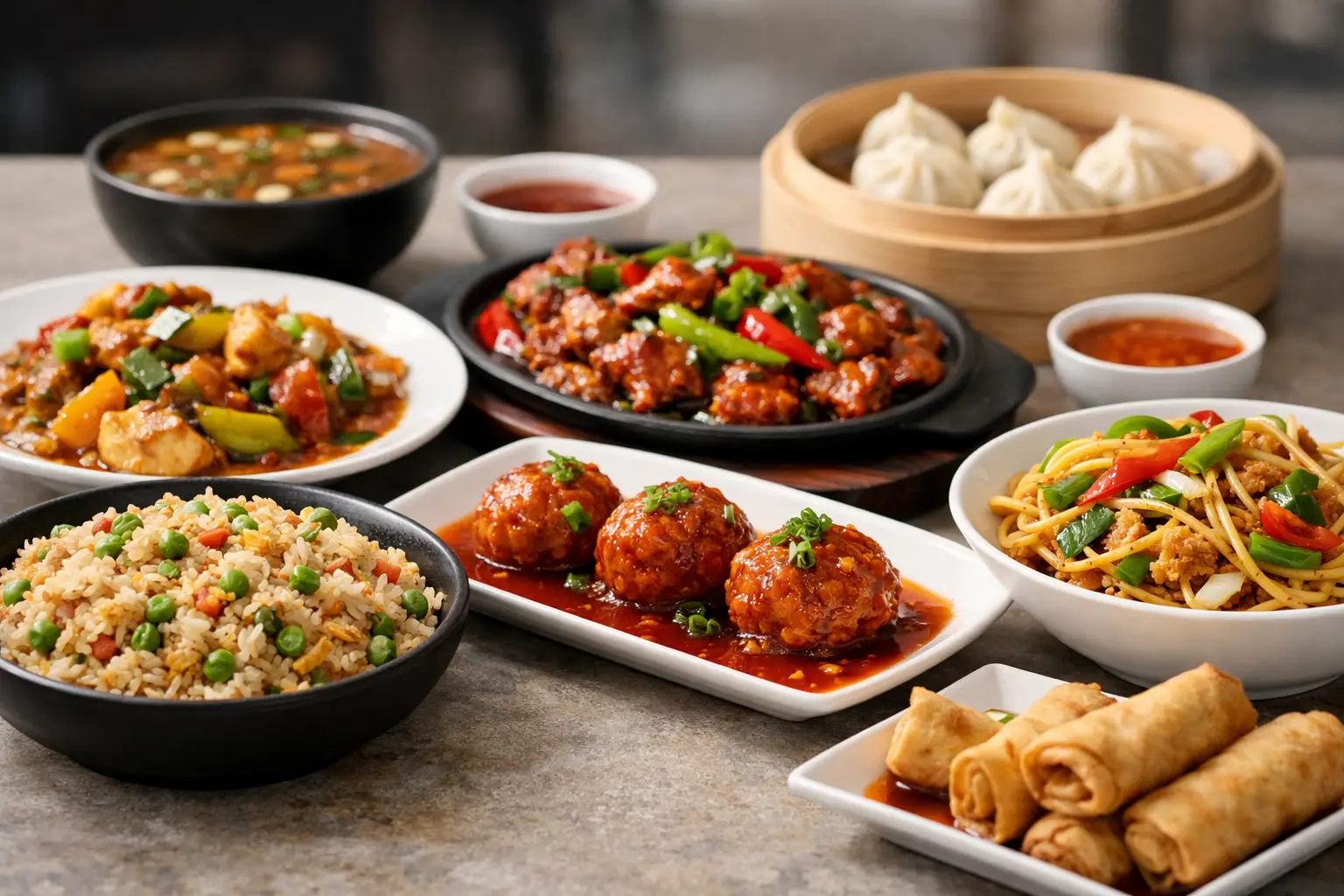
You order a dish that sounds perfect, then pause at one small question from the server – mild, medium, or hot? For many diners, that moment decides whether dinner feels comforting, exciting, or just a little too intense. This guide to restaurant spice levels is here to make that choice easier, especially when you are exploring bold, layered cuisines like Nepalese, Newari, Indian, and Indo-Chinese food.
Spice level is not only about how much heat you can tolerate. It is also about how you want the dish to taste, how much complexity you want to notice, and who you are dining with. A family with kids may want balanced warmth. A couple looking for a memorable night out may want more kick. Someone trying Himalayan flavors for the first time may want to start where flavor comes through clearly before turning up the heat.
Why a guide to restaurant spice levels matters
Many people think spice works like a straight ladder: mild is low, hot is high, and every step is just more chili. In a good kitchen, it is more thoughtful than that. Heat should support the dish, not flatten it. A rich curry, a wok-tossed Indo-Chinese entrée, and a traditional Newari preparation each carry spice differently because the ingredients, oils, aromatics, and cooking methods are different.
That is why the same diner may enjoy medium heat in one dish and prefer mild in another. Creamy sauces can soften chili impact. Dry dishes can feel sharper. Tangy ingredients can brighten heat, while heavier gravies can make spice feel slower and deeper. So when you choose a spice level, you are not just choosing pain or comfort. You are choosing the overall balance of the plate.
For restaurants that care about guest experience, adjustable spice is part of hospitality. It allows authentic cooking to stay true to its roots while still meeting each table where they are. That matters for mixed groups, first-time visitors, and regular guests who know exactly how they like their food.
Understanding restaurant spice levels before you order
Most restaurants use simple terms like mild, medium, and hot, but those words can mean different things depending on the cuisine and the kitchen. A mild level should usually be approachable and flavorful, with little to no lingering burn. Medium often brings a noticeable warmth that builds as you eat, but still lets the spices, herbs, and sauce come through. Hot is for guests who actively enjoy chili heat and want it to play a leading role in the meal.
Some kitchens may also offer extra hot or chef’s spice level. That can be excellent if you truly enjoy strong heat, but it is not always the best choice if your goal is to understand a dish for the first time. Very high spice can overpower subtle notes like roasted cumin, fenugreek, ginger, garlic, Sichuan-style chili notes, or the natural savoriness of meat and vegetables.
A better way to think about spice levels is this: mild highlights comfort, medium balances comfort and excitement, and hot emphasizes intensity. None of those is the “right” level for everyone.
How different cuisines handle heat
In Nepalese and Newari cooking, spice often works with depth rather than just force. You may taste toasted spices, fresh herbs, garlic, ginger, and chili together, with each element adding character. Heat can feel earthy and rounded instead of sharp. That makes some dishes enjoyable at a higher spice level than diners expect.
Indian dishes can vary widely. A creamy curry may carry medium heat very gently, while a drier, more concentrated preparation may taste hotter at the same stated level. Tandoori dishes, masala-based gravies, and regional specialties all express spice differently.
Indo-Chinese food often delivers a brighter, quicker heat. Chili, garlic, soy-based sauces, and wok cooking can create a bold first impression. If you enjoy energetic flavors, medium or hot may feel lively and satisfying. If you are more cautious, mild can still be full of flavor without losing the character of the dish.
This is where restaurant guidance matters. At Newa Chopstix, customizable spice levels help guests enjoy authentic flavor in a way that feels comfortable, whether they are longtime spice lovers or trying these cuisines for the first time.
How to choose the right spice level for your table
Start with your actual eating habits, not your ambition. If you usually ask for extra hot wings or load your food with hot sauce, you probably know your range. If you enjoy spice but do not want to sweat through dinner, medium is often the safest sweet spot. If you are introducing children, older family members, or cautious eaters to unfamiliar dishes, mild gives everyone room to enjoy the meal.
It also helps to think about the occasion. On a relaxed family dinner, lower heat may be the better choice because it keeps dishes easy to share. On date night or when ordering for yourself, you may want more intensity. For delivery, some guests prefer ordering one notch lower than they would in the dining room, especially if the meal includes several spicy items together.
Another useful tip is to look at the dish itself. If you are ordering a rich curry, medium may feel balanced and approachable. If you are choosing a dry chili-based entrée or a wok-fried dish with bold sauce, medium may already feel fairly lively. Heat lands differently depending on texture and sauce.
What to ask your server
A good server can save you from guessing. Instead of simply asking, “Is it spicy?” ask questions that get to the experience you want. You can ask whether the dish is warming or truly hot, whether the chili builds slowly or hits right away, and whether first-time guests usually enjoy it at mild or medium.
This kind of conversation is especially helpful when ordering for a group. If one person loves heat and another does not, the restaurant may be able to suggest dishes that naturally suit different preferences. Hospitality is not just about bringing food to the table. It is about helping every guest order with confidence.
Common mistakes diners make with spice levels
One common mistake is ordering hotter than you really want because it feels more authentic. Authentic food does not need to be uncomfortable to be real. In many traditional cuisines, balance matters more than bravado.
Another mistake is assuming mild means bland. In a well-run kitchen, mild should still taste complete. You should still get aromatics, seasoning, and the signature personality of the dish. The heat may be dialed back, but the flavor should still feel full.
Some diners also forget to consider the rest of the meal. If you order a spicy appetizer, a hot main dish, and a chili-forward side, the total heat can build fast. A better plan is to create contrast. Pair one spicier dish with one milder dish so the whole table enjoys variety.
Mild, medium, or hot: when each one makes sense
Mild is ideal for first-time visitors, family meals, and anyone who wants to focus on flavor without much burn. It is also a smart choice for creamy curries, shared plates, and lunches when you want satisfaction without intensity.
Medium works well for most diners who say, “I like spice, but not too much.” It usually gives the best look at how a restaurant balances heat with seasoning. If you are unsure, medium is often the most dependable place to begin.
Hot is best for guests who regularly eat spicy food and genuinely enjoy a stronger chili presence. It can be fantastic in the right dish, but it should be chosen because you love that experience, not because it sounds impressive.
The best spice level is the one you enjoy
There is no award for ordering the hottest dish on the menu. The best dining experience comes from choosing a spice level that lets you enjoy the flavors, the company, and the moment. Great restaurants understand this and welcome the conversation.
When spice is handled with care, it does more than add heat. It brings dishes to life, creates balance, and helps every guest find their own comfort point within authentic cooking. If you are ever unsure, start where you can enjoy the meal fully. You can always go hotter next time, and that is part of the fun.