
A plate of momos should never feel like an afterthought. These Himalayan dumplings arrive with a quiet kind of promise: a tender wrapper, a savory filling, and a dipping sauce that brings brightness, heat, or both. This momo dumplings review explains what makes a truly satisfying order, whether you already love Nepalese food or are choosing momos for the first time.
For diners seeking something beyond familiar tourist-fare favorites, momos offer comfort and character in the same bite. They are easy to share, welcoming for families, and flexible enough for guests who prefer gentle flavors as well as those who want a real chili kick.
What Makes Momos Different From Other Dumplings?
Momos are a beloved Nepalese and Himalayan-style dumpling, often compared with Chinese dumplings, potstickers, or even small ravioli. The comparison is useful, but it does not tell the whole story. A well-made momo has its own identity, shaped by a delicately seasoned filling and the fresh, lively sauce served alongside it.
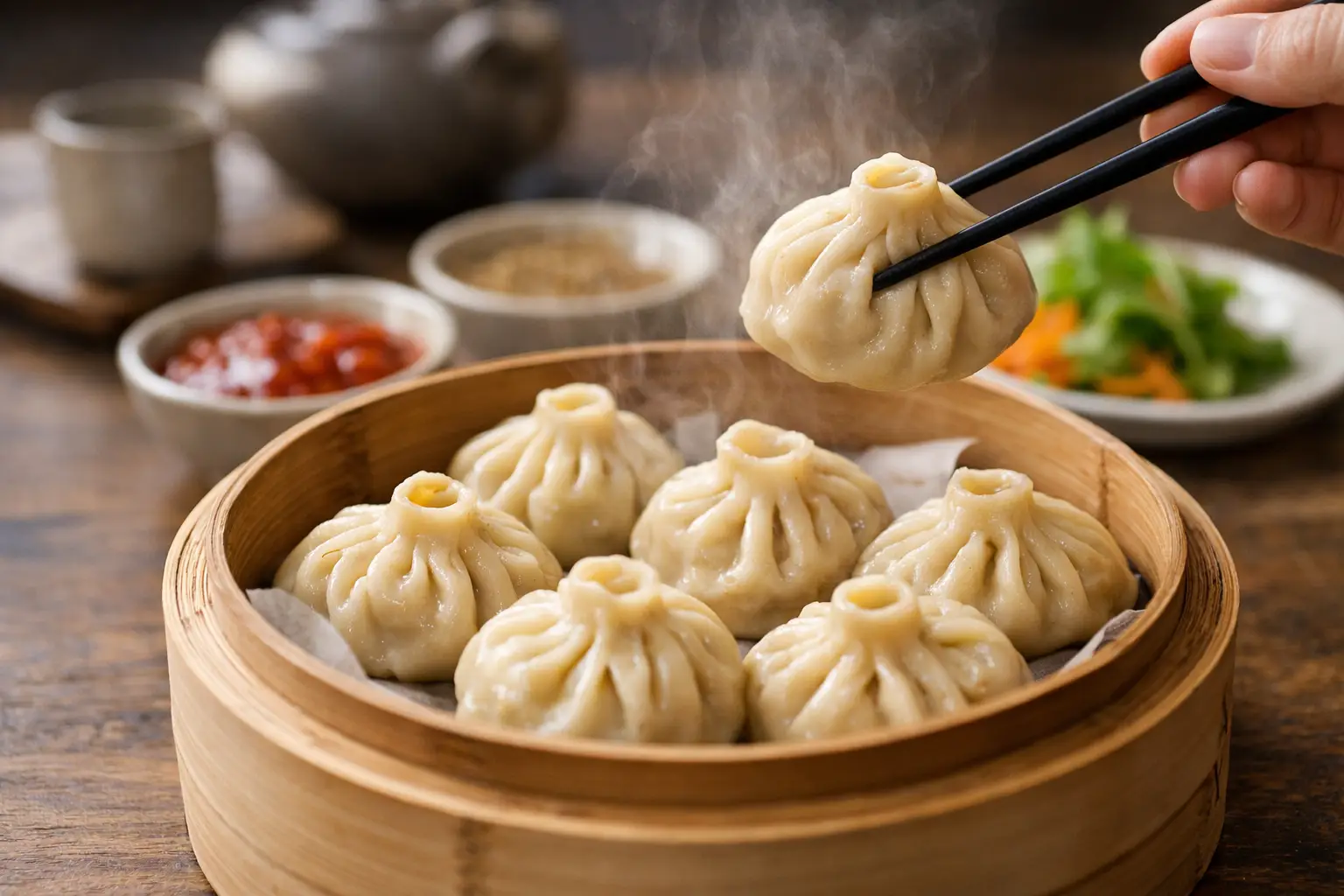
The wrapper is usually soft rather than crisp, with enough structure to hold the filling without becoming thick or doughy. Steamed momos are especially comforting, while fried versions bring a golden exterior and a little more crunch. Neither style is automatically better. Steamed momos let the filling and sauce take center stage; fried momos are ideal when you want a richer texture or a shareable appetizer with extra contrast.
The filling matters just as much. Chicken, vegetable, and other savory fillings should taste seasoned all the way through, not simply rely on sauce for flavor. You should notice aromatics, herbs, and a balanced savory depth in every bite. A good momo is juicy but not wet, flavorful but not heavy.
Momo Dumplings Review: Texture Comes First
The quickest way to judge momos is by the wrapper. It should be tender, freshly cooked, and gently pleated, with no dry edges or gummy center. When you lift a dumpling, it should hold its shape. When you bite into it, the wrapper should give way easily to the filling.
Overworked dough can make momos feel dense, while undercooked dough leaves an unpleasant chew. The best wrappers sit in the middle: soft, light, and satisfying enough to make each dumpling feel complete. This balance is especially important when ordering a mixed meal, since momos should complement curries, noodles, or rice rather than leave you too full before the main course arrives.
Fried momos deserve a slightly different standard. Their exterior should be crisp and warm, never oily or tough. The filling should still remain moist. A fried dumpling that is crunchy outside but dry inside loses the very comfort that makes momos so appealing.
The Filling Should Taste Fresh, Not Flat
A memorable filling has contrast. With chicken momos, look for tender, finely prepared meat with aromatic seasoning and a clean savory finish. Vegetable momos should not feel like a substitute. They should have color, texture, and enough seasoning to satisfy diners who want a meat-free option without giving up flavor.
Freshness is easy to recognize. The filling tastes clear and lively, and the ingredients remain distinct rather than blending into one soft, bland mixture. Good seasoning does not mean overwhelming salt or heat. It means that the first bite makes you want the next one.
The Sauce Is Not Just a Side Detail
Momo sauce often changes the entire experience. It can be tomato-forward, sesame-rich, chili-led, or built around a blend of spices and aromatics. Its role is to wake up the dumpling, adding tang, warmth, and depth without hiding the filling.
For first-time diners, start with a small dip. Himalayan sauces can carry more heat than expected, especially if they are made with fresh chilies. Then adjust according to your comfort level. One of the pleasures of momos is that every guest can choose their own balance – a light touch of sauce for a milder bite, or a generous dip for full spice and tang.
If you enjoy food with personality, sauce is where momos become especially memorable. The wrapper and filling provide comfort; the sauce brings the spark. Together, they create a dish that feels familiar enough to enjoy immediately and distinctive enough to remember after dinner.
Steamed or Fried: Which Momo Order Is Right for You?
Choose steamed momos when you want the most classic, tender experience. They are an excellent introduction to Nepalese cuisine and pair naturally with a flavorful sauce. Their lighter texture also makes them a smart choice before a larger meal or alongside several shared dishes.
Choose fried momos when your table wants a little crunch. They work beautifully as a starter with drinks, particularly for couples, groups, or families ordering a variety of dishes. The trade-off is simple: frying adds richness, so the dumpling’s subtle filling may take a slightly less prominent role.
For a first visit, there is no wrong answer. It depends on the moment. A relaxed lunch may call for steamed momos and a mild sauce. An evening meal with friends may call for fried momos, a round of drinks, and several dishes placed in the center of the table.
How Momos Fit Into a Full Himalayan Meal
Momos can stand alone as a snack, but they are even better as part of a table that invites sharing. Their mild, savory base makes them a natural companion for dishes with deeper spice, creamy sauces, grilled flavors, or noodles. They offer a pause between bolder bites without becoming forgettable themselves.
This is one reason momos work so well for mixed groups. A diner who is new to Nepalese food can start with something approachable, while a more adventurous guest can explore stronger sauces and spicier dishes around it. Families also appreciate that the flavors can be adjusted without sacrificing authenticity.
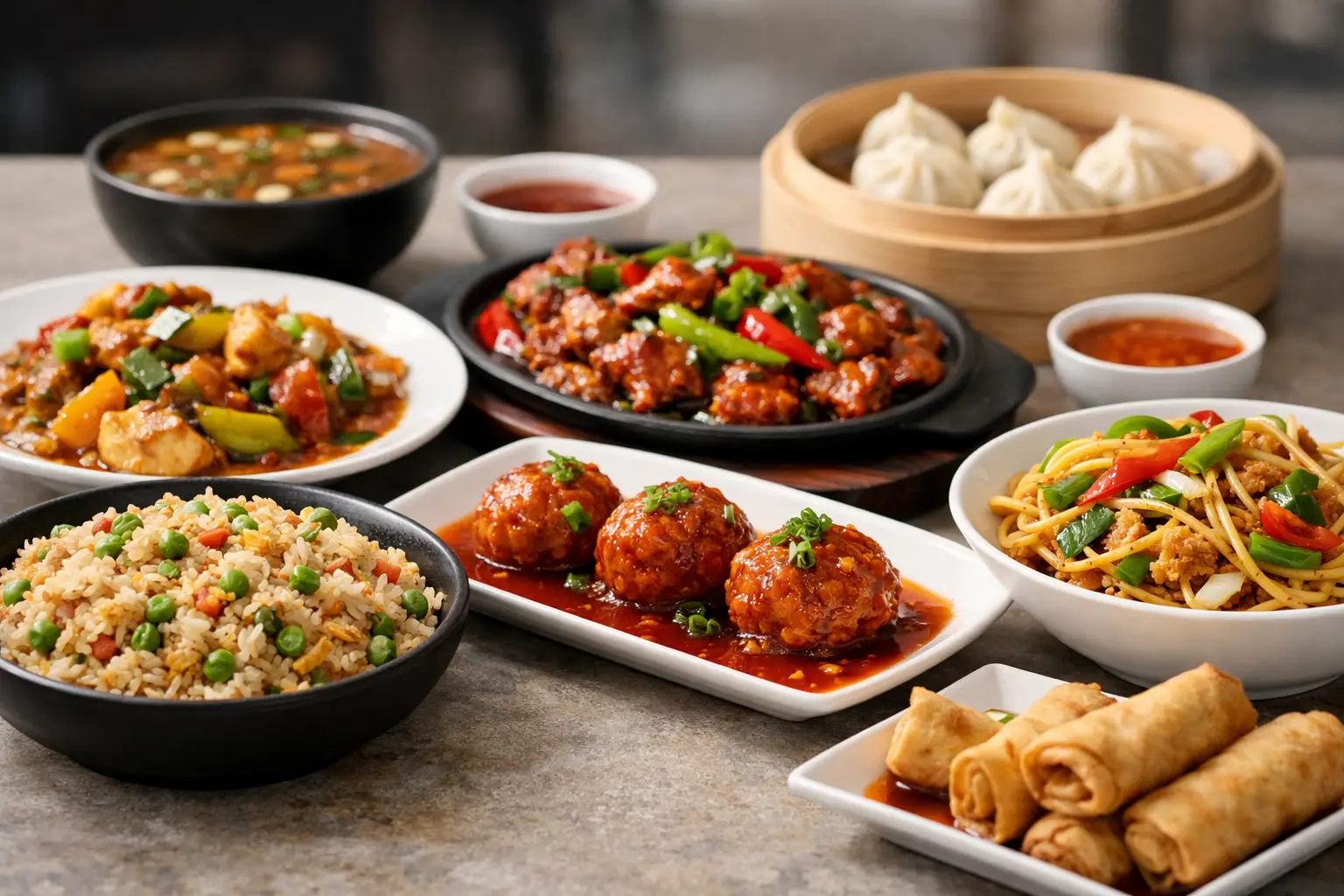
At Newa Chopstix, momos belong in a menu experience that brings Nepalese, Newari, Indian, and Indo-Chinese traditions together with warm hospitality. That variety gives every table room to order according to its own tastes, from mild and familiar to bold and spicy.
What First-Time Diners Should Order With Momos
Think about contrast rather than trying to match every flavor. If you order fried momos, a lighter noodle or vegetable dish can keep the meal balanced. If you choose steamed momos, a richer curry or grilled entrée can add depth. For groups, ordering several dishes to share is often the most enjoyable way to experience different textures and spice levels.
Be clear about your preferred heat level when ordering. Spice should add excitement, not make the meal difficult to enjoy. Guests who love heat can ask for more, while those who prefer a gentler experience can still enjoy the aromatic side of Himalayan cooking without feeling overwhelmed.
Momos are also a practical choice when dining with children or picky eaters. Their familiar hand-held shape makes them approachable, but their seasoning and sauce offer plenty for grown-up palates. That balance is rare, and it is part of why a good plate of dumplings can bring a whole table together.
The Final Taste Test
The best momo dumplings feel generous without being complicated. The wrapper is soft or crisp in the right way, the filling has real flavor, and the sauce gives each bite a bright finish. Nothing should taste rushed, dry, or one-dimensional.
If you are deciding whether to try momos, order them when you want a dish that is easy to share but still rooted in a rich culinary tradition. Start with the style that fits your appetite, choose your spice level with confidence, and let the sauce guide the next bite.