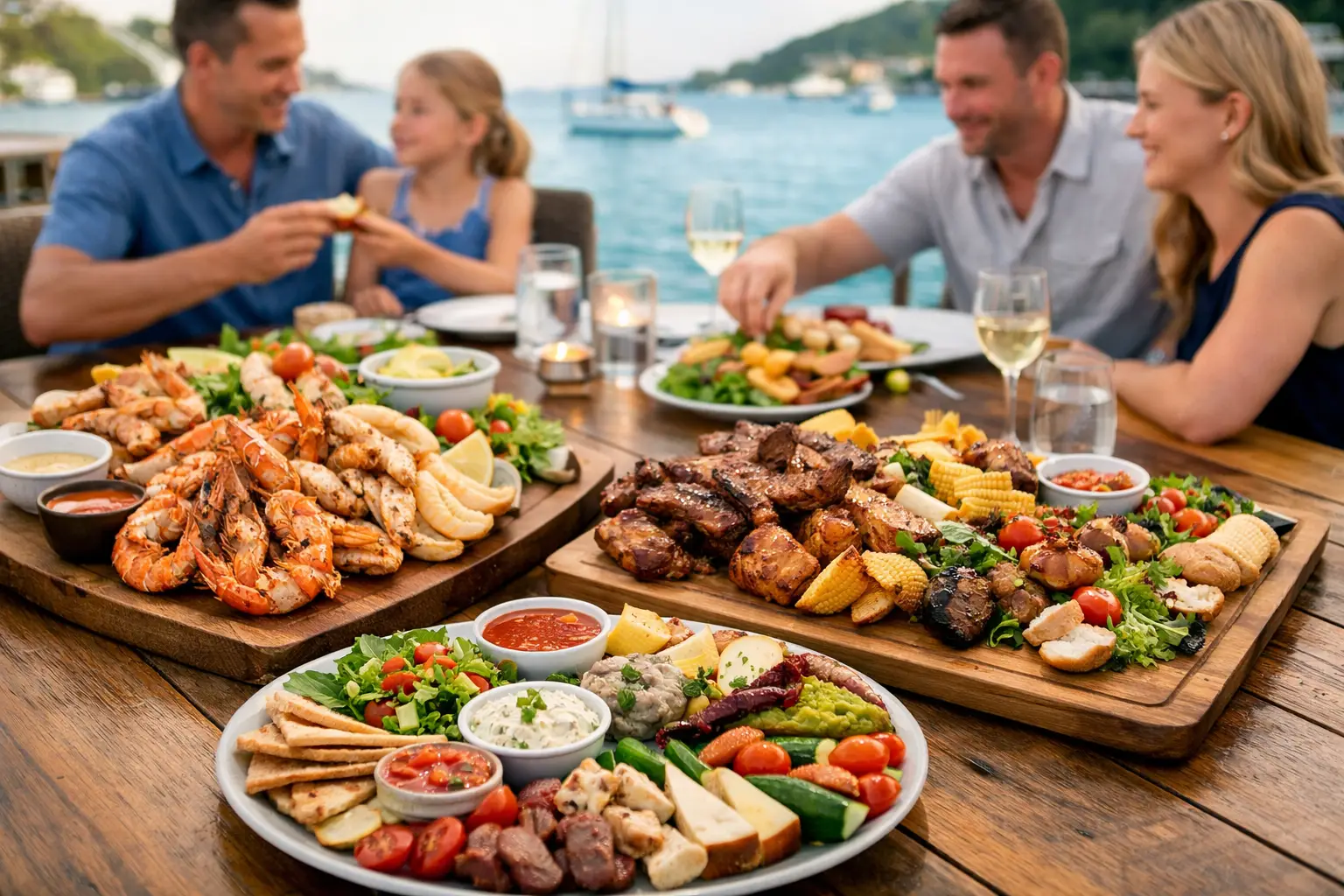

A family dinner should not require everyone to settle for the same thing. One person may want comforting curry, another may be craving noodles, while the kids are happiest with something familiar and mild. The best family dinner sharing platters make room for all of it, turning one table into a meal full of color, flavor, and choices.
For families visiting or living in St. Maarten, sharing food is also one of the easiest ways to experience more than a single dish. A well-planned spread lets everyone taste the warm spices of India, the bold character of Nepalese and Newari cooking, and the satisfying favorites of Indo-Chinese cuisine without making dinner feel complicated.
What Makes the Best Family Dinner Sharing Platters?
The best platters are not simply the largest orders on the menu. They are balanced meals built for different appetites, spice preferences, and ages. At a great family table, there should be something crispy to start with, something saucy to spoon over rice, something fresh or cooling to reset the palate, and enough variety that every guest finds a favorite.
Portion size matters, but variety matters just as much. Ordering two oversized dishes that taste very similar can leave a family with a lot of food but few options. A better approach is to choose dishes with different textures and flavor profiles: perhaps a fried appetizer, a creamy curry, a tangy stir-fry, fluffy rice, and soft naan or another bread for scooping.
Sharing platters also work best when the table has a clear center. Place the main dishes where everyone can reach them, serve rice and breads in generous portions, and make sure the sauces are easy to pass. That small bit of organization creates the relaxed, home-like feeling families look for when they dine out.
Start With a Mix of Crispy Appetizers
A good family meal often begins with a plate everyone can reach for while deciding what to try next. Appetizers are especially useful when adults want to explore new flavors but children need a familiar first bite. Crispy dumplings, vegetable fritters, chicken bites, or seasoned potato dishes can bring that welcome balance.
Choose at least one vegetarian starter if your group includes mixed diets. It gives everyone an easy option and prevents the meal from feeling centered on only one kind of protein. For a larger group, two different appetizers are usually better than doubling one item. One can be mild and crowd-pleasing, while the other can bring more heat or deeper spice for adventurous diners.
This is also the right moment to ask about spice level. Adjustable heat is a real advantage for family dining. A dish can still be aromatic and flavorful when prepared mild, while guests who enjoy extra heat can choose a spicier option or add heat at the table.
Keep the first course easy to share
Avoid choosing every appetizer with a heavy sauce. One crunchy, dry-style dish alongside a saucier starter keeps fingers, plates, and conversation more comfortable. If younger children are dining with you, ask for the mildest option and keep any spicy sauces separate when possible.
Build the Center of the Table Around Contrast
The main dishes are where a family dinner becomes memorable. The most satisfying combination usually includes one rich curry, one brighter or drier dish, and one stir-fried favorite with a different seasoning style. This contrast keeps each spoonful interesting.
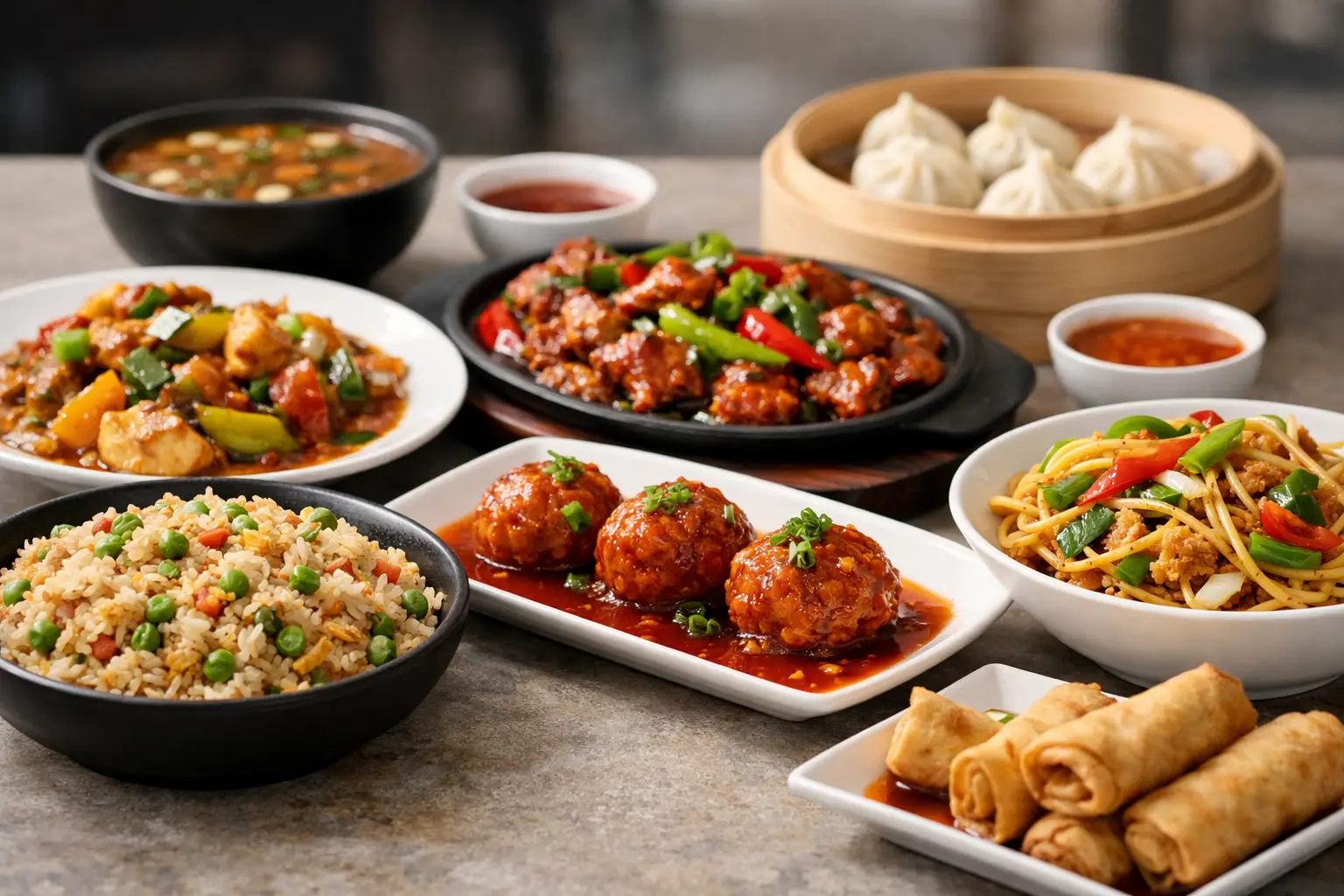
A creamy curry can provide comfort, especially when paired with rice or warm bread. It is a dependable choice for guests who appreciate mellow, rounded flavors. A tomato-based or tangy dish can add brightness, while a sizzling Indo-Chinese entrée can bring savory depth, vegetables, and a little more edge. Together, these dishes reflect the pleasure of a multi-cuisine dinner: no one has to choose between familiar comfort and something new.
For families with meat eaters and vegetarians, plan the meal so both groups have a satisfying centerpiece. Do not treat the vegetarian dish as only a side. A thoughtfully prepared vegetable curry, paneer dish, or vegetable stir-fry can be just as generous and flavorful as any meat entrée.
At Newa Chopstix, this mix of Nepalese, Newari, Indian, and Indo-Chinese flavors gives families the freedom to create a meal that feels personal. A table can stay mild and comforting, go bold and spicy, or meet somewhere in the middle.
Choose Rice and Bread With a Purpose
Rice and bread do more than fill out the meal. They connect the dishes on the table. Steamed rice is a dependable choice when you have several curries or saucy entrées, because it lets every guest build a plate exactly the way they like it. Fried rice may be a better fit when your family wants a complete, savory dish that can stand on its own alongside starters and a single main.
Fresh naan or other flatbreads bring another way to share. They are ideal for scooping curries, tasting sauces, and helping younger diners participate without managing too many utensils. If you are ordering several saucy main dishes, order enough bread and rice to support them. Running out of the base before the curry is gone is one of the few ways a generous dinner can feel unfinished.
The trade-off is simple: if your family is ordering heavier fried starters and fried rice, keep the mains lighter or choose one curry rather than several rich dishes. If you are focusing on curries and breads, a crisp vegetable appetizer can bring needed contrast.
Plan for Different Ages and Appetites
Family-style dining works because it takes pressure off individual ordering. Children can begin with rice, bread, or a mild appetizer, then taste a small bite of a new dish when they are ready. Teenagers and adults can enjoy the spicier choices without requiring the whole table to follow along.
For a family of four, a comfortable starting point is two appetizers, two main dishes with contrasting styles, one vegetarian option if needed, plus rice and bread. If your group has big appetites or includes six or more people, add a third main dish rather than ordering more of the same. That extra variety is often what makes the meal feel special.
Ask your server for guidance on portions and spice when you arrive. A family table is not the place to guess, especially if there are children, dietary needs, or guests trying Himalayan flavors for the first time. Attentive recommendations can help you choose a spread that is generous without becoming wasteful.
Save Room for a Sweet Finish
Dessert is not always necessary, but it can be the nicest way to slow down the end of a shared meal. After savory spices, a sweet dessert gives everyone one final bite to talk about. It is particularly welcome after a meal with a few hot dishes, and it gives children a small celebration at the end of dinner.
If the adults would like to linger, a classic drink from the bar can complement the evening while the table finishes dessert. For families, though, the real luxury is time: no rush to clear plates, no need for everyone to order the same cuisine, and plenty of chances to share a bite across the table.
The right sharing platter is not about ordering the most food. It is about creating the kind of dinner where a new flavor becomes someone’s favorite, a mild dish keeps the youngest guest happy, and every plate passed around the table adds to the memory.