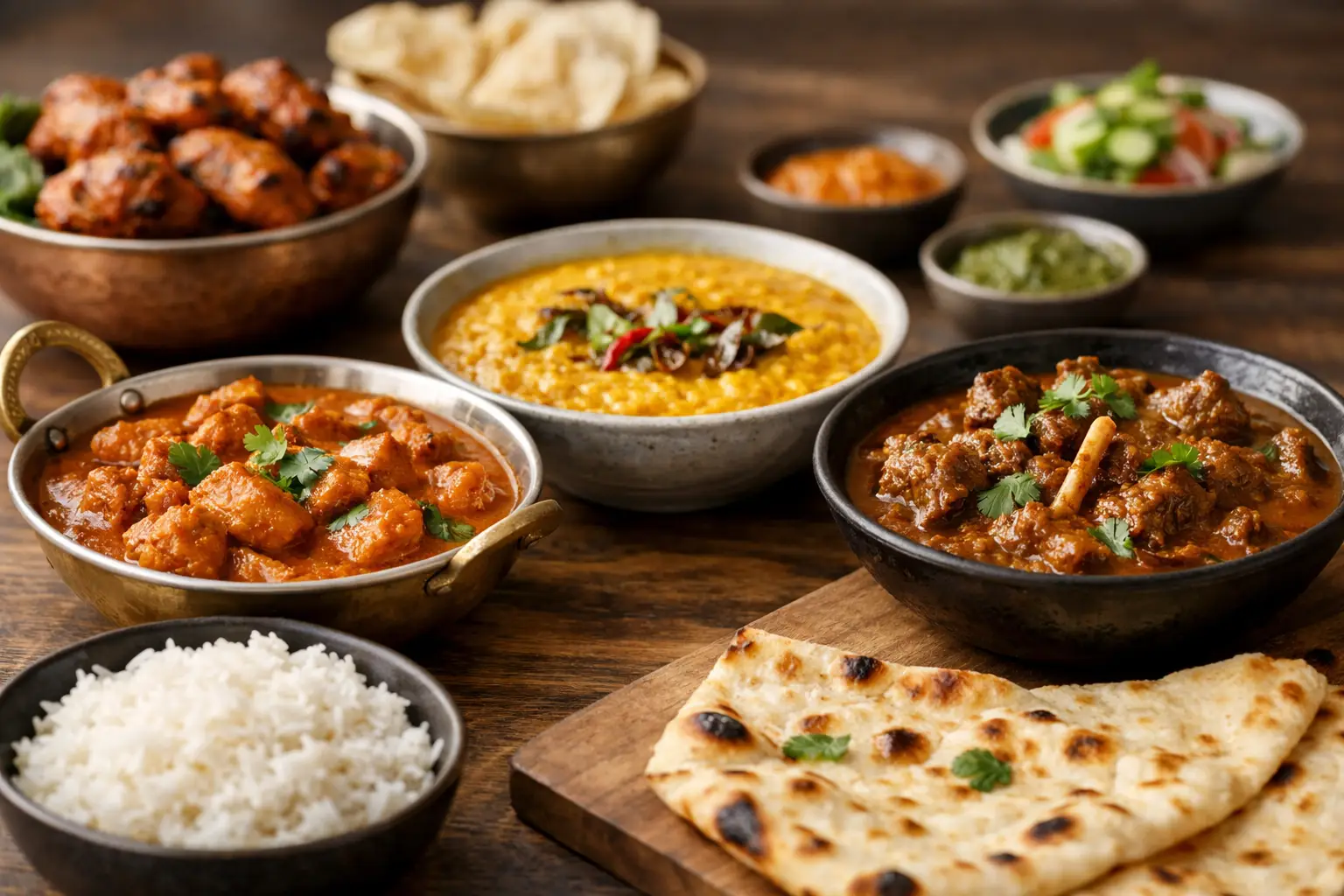

The best Indian curry review does not begin with a heat rating. It begins with the first aroma that reaches the table: toasted cumin, warm ginger, slow-cooked onion, garlic, and spices that smell alive rather than simply hot. For diners looking beyond familiar tourist meals in St. Maarten, a well-made curry offers something more memorable – comfort, character, and a meal made to be shared.
A great curry should feel generous from the first spoonful. The sauce should carry flavor into every bite, the rice or bread should have a purpose, and the spice level should suit the person enjoying it. Whether you prefer a mild, creamy dish or a bold curry with real chili warmth, the goal is the same: a balanced plate that makes you want one more bite.
What an Indian Curry Review Should Really Judge
Curry is often described as though it were one single food, but it is a wide family of dishes with different ingredients, regional traditions, textures, and levels of heat. A thoughtful review looks beyond the color of the sauce or how spicy it feels. It asks whether the kitchen has created depth.
That depth usually starts with patience. Onions may be cooked until sweet and golden. Whole spices may be toasted before being ground or added to hot oil, releasing aromas that are earthy, citrusy, floral, or smoky. Tomatoes can bring brightness, yogurt can add gentle tang, and cream, cashew, or butter can round out the sharper notes. When these elements are balanced, a curry tastes layered rather than heavy.
Texture matters, too. A rich sauce should coat tender chicken, lamb, seafood, vegetables, or paneer without becoming thick for the sake of thickness. It should be satisfying with basmati rice, yet still flavorful enough to enjoy on its own. A curry that is all sauce and no substance can feel forgettable. One that is too dry may lose the welcoming, spoonable quality diners expect.
Flavor should come before fire
Heat has a place in Indian cooking, but it should never hide the kitchen’s skill. Chili can create a clean, lively finish, while black pepper, ginger, and warming spices can add intensity without making a dish aggressively hot. That distinction matters for families, couples with different preferences, and anyone trying Indian cuisine for the first time.
Adjustable spice levels are one of the simplest signs of attentive hospitality. A mild curry should still have fragrance and personality. A medium curry should feel warm and exciting. A hot curry should bring heat while allowing the other ingredients to remain recognizable. If every version tastes the same except for extra chili, the dish has missed the point.
The Difference Between Rich and Heavy
Many diners want a curry that feels indulgent, especially on vacation or during a relaxed dinner out. Yet richness is not the same as heaviness. A beautiful butter-style sauce can be creamy and comforting while still showing tomato, fenugreek, ginger, and spice. A coconut-based curry can feel silky while remaining fresh when balanced with herbs or acidity.
The best meals have contrast. A cooling yogurt accompaniment, crisp salad, pickles, or a bright squeeze of citrus can make a warm curry taste even more complete. Fresh naan or roti adds softness and a little char from the oven. Rice provides a gentle foundation. These are not side thoughts. They are part of the experience, helping every guest build a bite that suits their taste.
This is also why sharing works so well at an Indian table. One person may enjoy a mild, creamy curry while another wants something darker, smokier, or spicier. Together, the dishes create variety without turning dinner into a compromise.
Indian Curry Review: A Matter of Balance
The curries people remember are rarely the ones with the longest ingredient list. They are the ones where each element earns its place. You might notice sweetness from onion, acidity from tomato, the mellow warmth of cardamom, and a subtle bitter-green note from fenugreek. The flavors arrive in stages instead of all at once.
That balance is especially valuable for guests who think they do not like curry because of one past experience. Perhaps a dish was overly oily, too spicy, or bland beneath a creamy sauce. Indian cuisine is too varied to be judged by a single bowl. A good menu gives diners choices that range from gentle and familiar to deeply spiced and adventurous.
For first-time guests, a medium-spiced chicken, vegetable, or paneer curry can be a welcoming place to start. Those who enjoy stronger flavors may prefer a dish with more roasted spice, pepper, chili, or slow-cooked meat. Seafood lovers often appreciate curries that let the natural sweetness of fish or shrimp remain present. The right choice depends on your appetite, spice comfort, and whether you want a meal that feels soothing or daring.
Why the Dining Room Changes the Experience
Curry is delicious as takeout, but it has a special kind of warmth when served at the table. The aromas are at their best, bread arrives fresh, and a server can help guests choose a dish that matches their preferences. That guidance can make the difference between ordering safely and finding a new favorite.
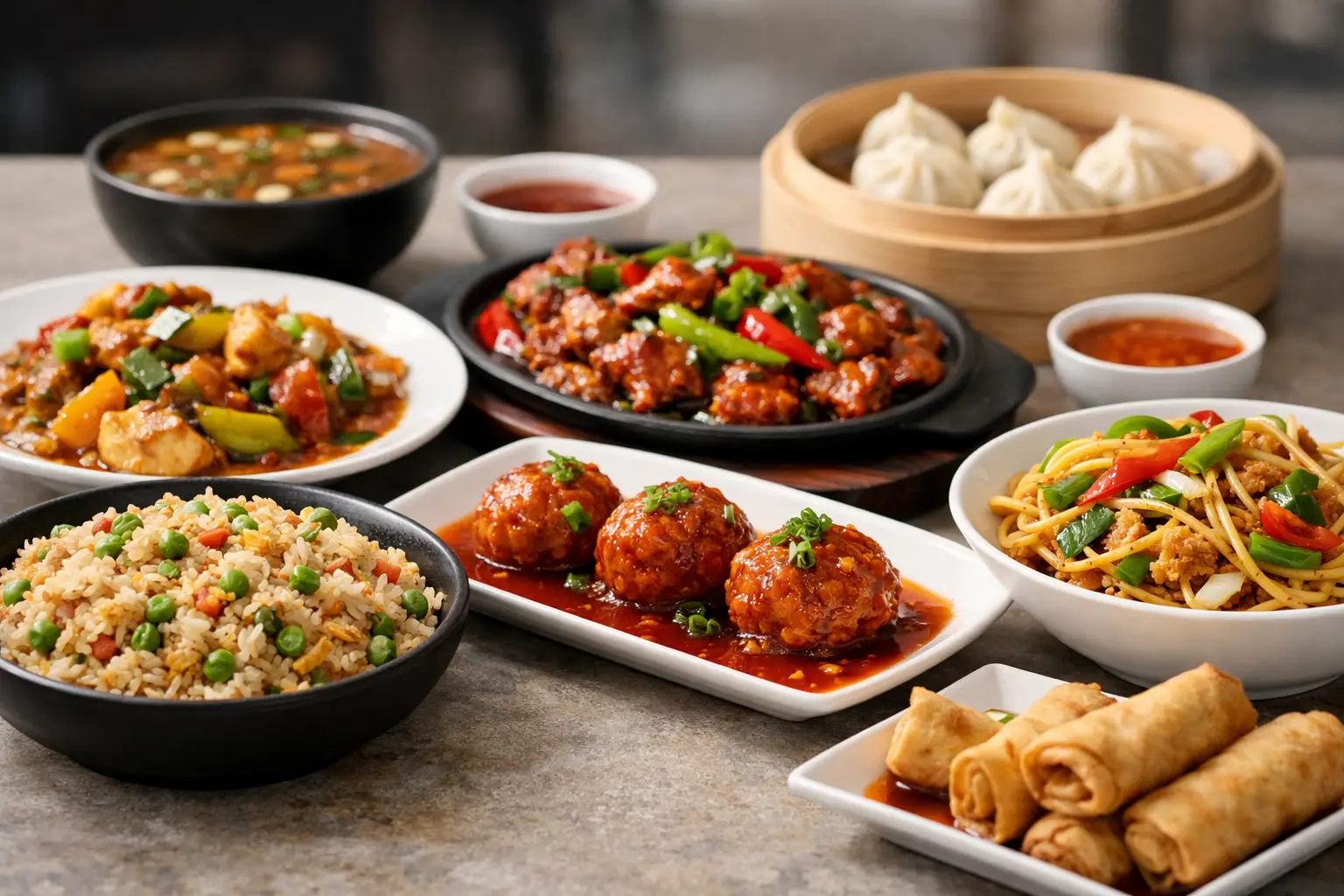
At Newa Chopstix, Indian curry sits within a broader celebration of Nepalese, Newari, and Indo-Chinese cuisine. That variety is especially appealing for groups. One guest can enjoy a familiar Indian curry, another can choose Himalayan flavors, and families can order across the menu without losing the feeling that everyone is sharing one generous meal.
A welcoming dining room also gives curry the time it deserves. This is food made for conversation, a second helping of rice, and passing naan across the table. It works for a casual family dinner, a date night, or a group of friends looking for more than another standard restaurant meal in SXM.
How to Order Curry With Confidence
Start with the flavor profile you want rather than asking only for the hottest option. If you enjoy creamy, mellow dishes, look for sauces built around tomato, butter, cream, cashew, or yogurt. If you prefer bright and aromatic flavors, choose dishes with ginger, coriander, herbs, or citrusy notes. For deeper warmth, explore curries with roasted spices, pepper, or slow-cooked onion bases.
Then think about your accompaniment. Naan is ideal when you want to scoop up every bit of sauce. Rice is a natural match when the curry has more heat or a thinner, fragrant gravy. Ordering both can be the right choice for the table, particularly when sharing more than one curry.
Be honest about spice. There is no prize for choosing a level that overwhelms your meal. A restaurant that cares about guest satisfaction will help you find a heat level that lets the curry’s real flavor come through. If you are dining with children or guests with different tolerances, ordering a mild dish alongside a medium or hot selection keeps the table happy.
A Curry Worth Returning For
A memorable curry does more than fill the plate. It creates a feeling of care through fresh aroma, balanced spice, tender ingredients, and service that pays attention to what each guest enjoys. The next time you choose a curry, look for flavor with purpose, heat with restraint, and a table where everyone can find something to enjoy. That is where a simple dinner becomes the kind of meal you talk about long after the last piece of naan is gone.