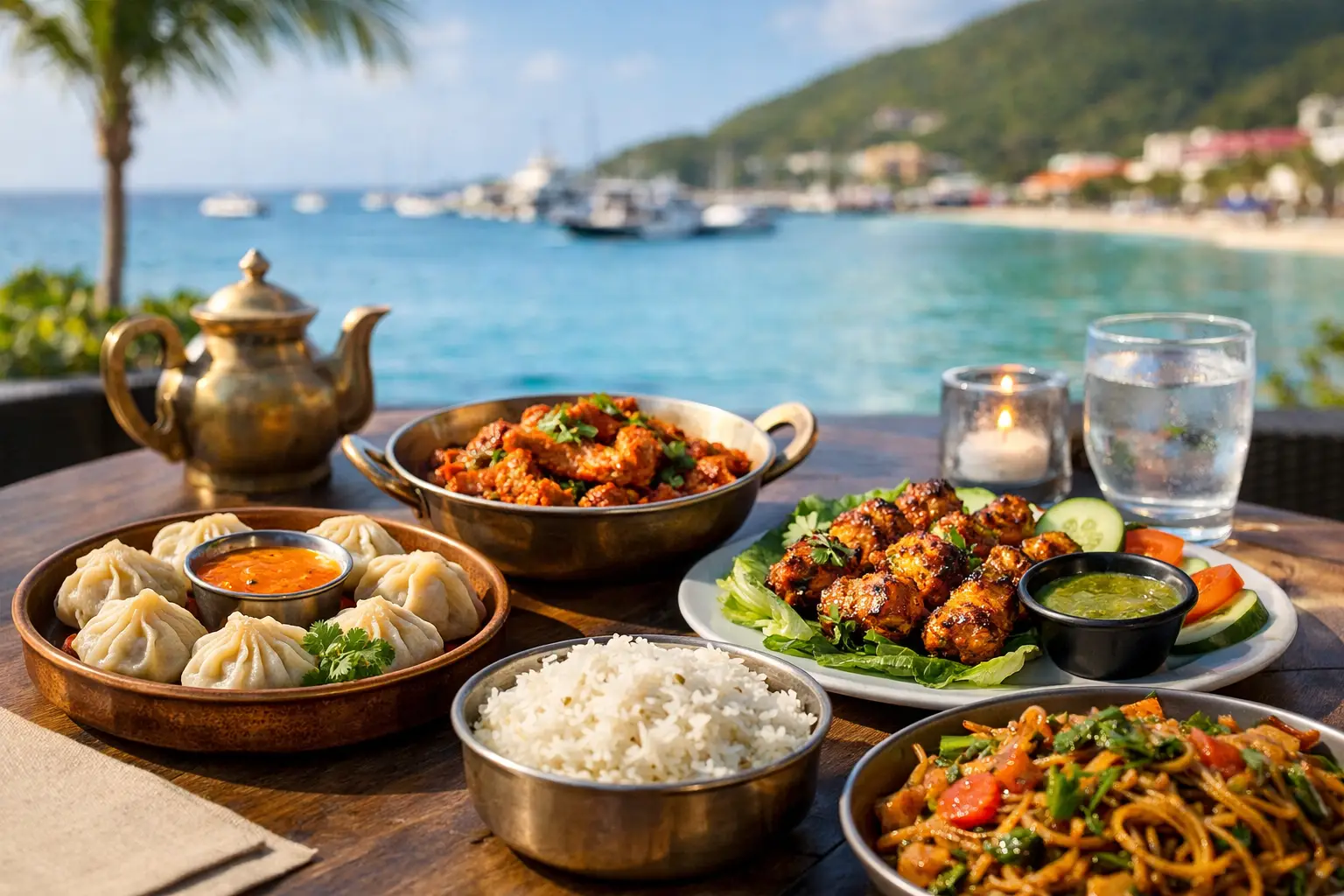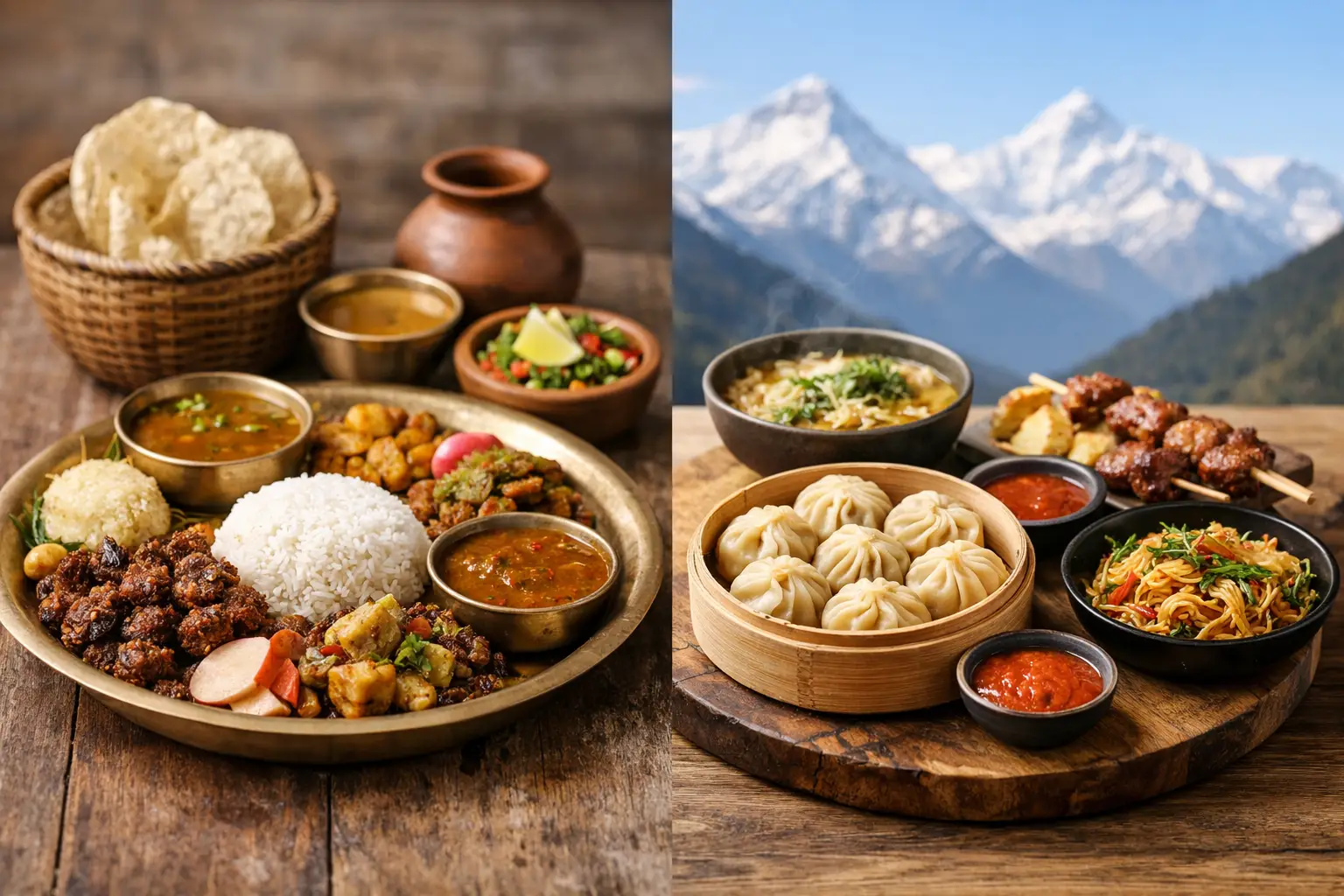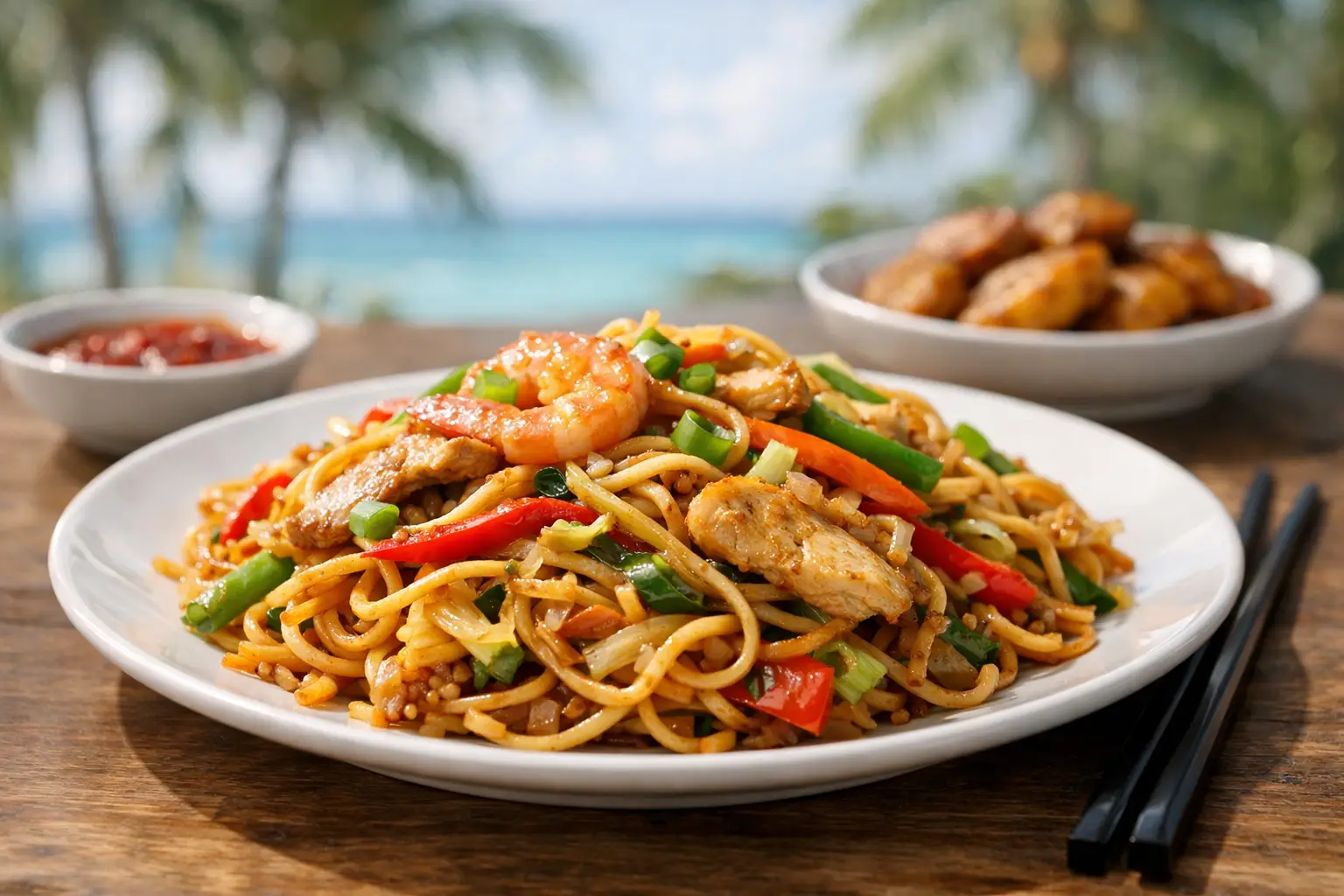

A worthwhile chow mein review should answer more than one question: Are the noodles satisfying? Is there real flavor beyond the sauce? And does the dish feel like a meal worth returning for after a day at the beach, a family outing, or a busy evening in Philipsburg? At Newa Chopstix, chow mein is not treated as an afterthought. It is a comforting Indo-Chinese classic prepared with the bold, balanced character guests expect from a restaurant built around authentic Himalayan and Asian flavors.
For diners who love noodles but do not want the same predictable takeout experience, chow mein offers an easy place to begin. It is familiar enough for children and cautious eaters, yet versatile enough to satisfy anyone looking for heat, texture, and a more memorable plate.
Chow Mein Review: What Makes a Great Plate?
Chow mein is often described simply as stir-fried noodles, but that description leaves out what makes the dish special. The best versions depend on timing and balance. The noodles need enough heat from the wok to develop a lightly toasted character without becoming dry or brittle. Vegetables should bring color and crunch, while the seasoning has to coat the noodles rather than overwhelm every other ingredient.
That balance matters even more in a restaurant that serves Nepalese, Newari, Indian, and Indo-Chinese cuisine. Diners can expect flavors with personality: savory aromatics, fresh vegetables, and seasoning that builds warmth without turning the meal into a one-note spice challenge. Chow mein fits naturally alongside these cuisines because it has room for both comfort and character.
A strong plate starts with noodles that remain separate and springy. Clumped, oily, or overly soft noodles can make even good flavors feel heavy. Proper wok cooking gives chow mein movement and texture, making each bite feel freshly prepared instead of sitting under sauce.
The vegetables are equally important. Crisp peppers, cabbage, onions, carrots, and other seasonal additions can give the dish lift and freshness. Their role is not merely decorative. They cut through the savoriness of the noodles and keep the dish enjoyable from the first forkful to the last.
Flavor Should Be Bold, Not Busy
The appeal of chow mein is its satisfying, savory depth. Garlic, ginger, soy-based seasoning, chili, and aromatic vegetables can all have a place, but good cooking knows when to stop. Too much sauce makes the noodles limp. Too much sweetness can cover the natural flavor of the vegetables. Too much heat can make it difficult to appreciate anything else.
At its best, the flavor arrives in layers. You notice the light smokiness from the wok, the savory seasoning, the brightness of the vegetables, and then the level of spice chosen for your table. This is why adjustable spice is more than a convenience. It allows a family with different preferences to enjoy the same style of dish without anyone feeling left out.
For guests who prefer mild food, chow mein can be a warm, flavorful choice without intense chili. For diners who want a bolder experience, added spice can bring extra energy and a deeper Indo-Chinese profile. The right choice depends on your comfort level, what you are drinking, and whether you are sharing other spicy dishes at the table.
Why Chow Mein Works for So Many Diners
Some menu items are best for one mood. Chow mein is one of the rare dishes that works across many occasions. It can be an easy lunch, a satisfying dinner, a shareable addition to a larger spread, or a dependable choice when a group cannot agree on one cuisine.
Families appreciate its familiar noodle base and approachable flavor. Couples can pair it with appetizers and drinks for a relaxed evening meal. Visitors seeking something beyond standard tourist fare get a taste of the Indo-Chinese tradition that has become so loved across South Asia and the Himalayan region. It is familiar, but never boring when prepared with care.
The dish also makes sense for mixed tables. One person may be ordering rich Indian curries, another may be interested in Newari specialties, and someone else may want a straightforward noodle dish. Chow mein gives the table a shared point of comfort while leaving room to explore the menu.
There is a practical trade-off to consider. If you want a saucy, spoonable meal, a curry may be the better choice. Chow mein is about texture and wok flavor, not a bowl of gravy. It is also most enjoyable when eaten fresh, while the noodles still have their bite and the vegetables retain their crunch. For takeout, enjoying it soon after pickup helps preserve what makes the dish appealing.
Choosing the Right Chow Mein for Your Table
Your ideal order depends on appetite and company. If chow mein is the centerpiece of your meal, choose a portion that gives the noodles room to shine. If you are dining with a group, it works especially well as one part of a shared table with starters, curries, rice dishes, or grilled selections.
Protein choice changes the experience, too. Chicken can make the dish feel especially familiar and comforting. Seafood may suit diners looking for a lighter coastal note. Vegetable chow mein lets the wok-fired noodles and crisp produce take center stage, while heartier options can satisfy a larger appetite. There is no single best choice, only the version that suits your meal.
Spice level deserves a little thought. A medium level is often a good starting point for diners who enjoy some warmth but still want to taste every ingredient. If you are trying several dishes, consider keeping chow mein milder and choosing one spicy item elsewhere on the table. That way, every plate has a distinct role instead of competing for attention.
The Dining Experience Matters, Too
A chow mein review is not only about what happens in the wok. It is also about where and how the meal is enjoyed. A plate of noodles feels different when it arrives at a welcoming table, served with genuine care and the feeling that guests are meant to settle in rather than rush through dinner.
That sense of hospitality is part of what makes Newa Chopstix a fitting choice for this classic. The menu brings several culinary traditions together, but the goal remains simple: great taste, attentive service, and a dining experience that feels comfortable for locals, visitors, families, and groups alike.
For a relaxed dine-in meal, chow mein pairs naturally with a cold drink and a few shareable starters. For an easy night in, it is a practical order that still feels more special than ordinary fast food. The experience changes, but the appeal stays the same: satisfying noodles, lively flavor, and a dish that welcomes different appetites to the same table.
Our Honest Take on Chow Mein
The standard for chow mein should be high. It should be hot, fragrant, and full of contrasting textures. It should offer satisfying flavor without leaving you thirsty from excess salt or weighed down by oil. Most of all, it should feel freshly made for the moment, not assembled from routine.
When those details come together, chow mein becomes far more than a safe menu choice. It is a dish with comfort, energy, and enough flexibility to suit almost any table. Whether you are introducing children to Indo-Chinese food, sharing dinner with friends, or looking for a dependable favorite with a little more personality, it earns its place.
Next time you are deciding what to order, let your appetite lead: choose chow mein when you want the familiar comfort of noodles with the fresh, flavorful touch of a meal made to be enjoyed slowly and shared generously.