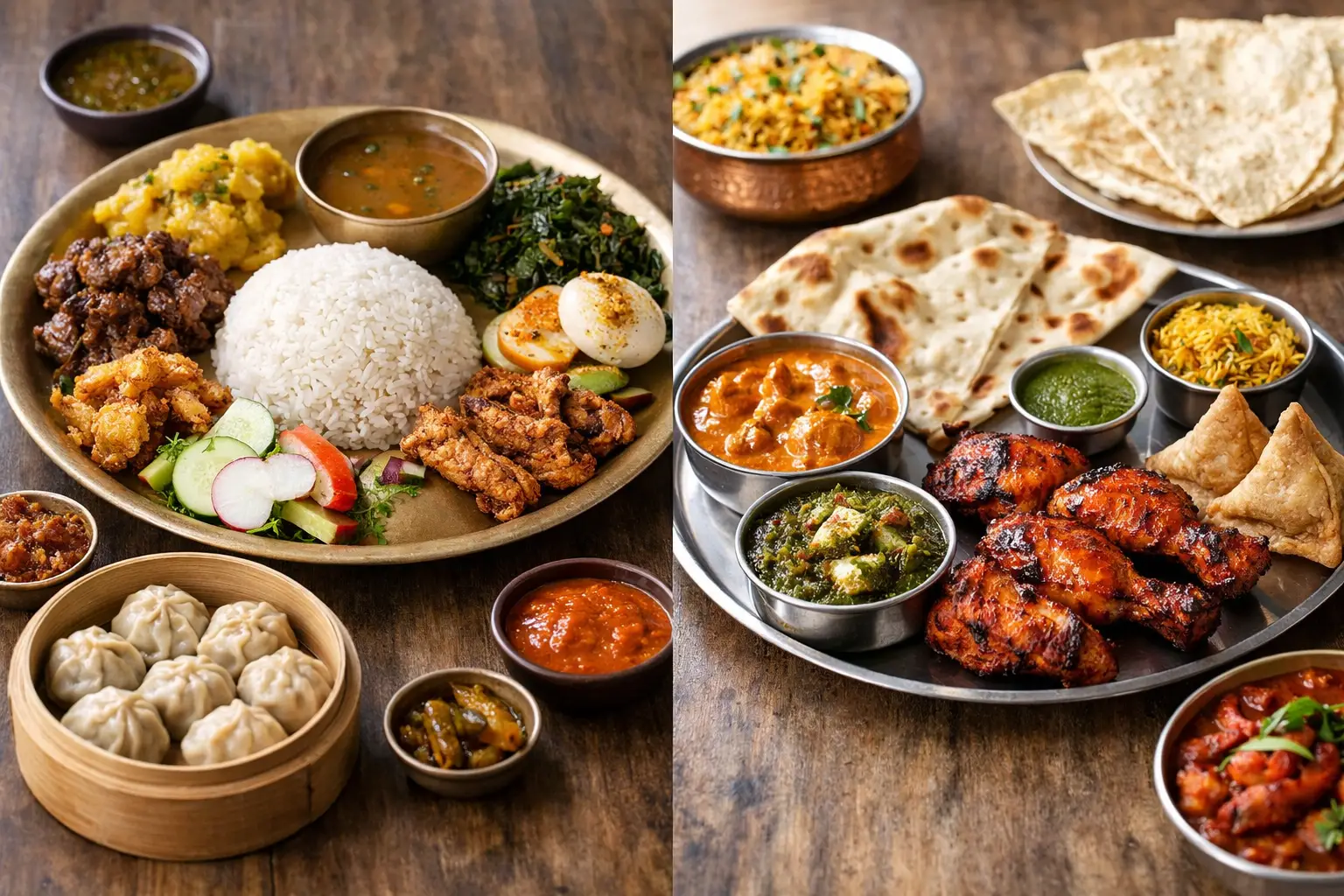

A sizzling plate of choila, a crisp bara, and a spoonful of seasoned beaten rice tell a very different story from a creamy North Indian curry or smoky tandoori kebab. When comparing Newari food vs Indian food, the biggest difference is not simply heat or spice. It is the history, ingredients, textures, and way each cuisine brings people together around the table.
Both traditions offer bold flavor, generous hospitality, and memorable comfort food. Yet Newari cuisine comes from the Newar community of Nepal’s Kathmandu Valley, while Indian food represents an enormous collection of regional cooking styles across a vast country. Knowing the distinction makes every order more exciting, especially for diners looking beyond familiar favorites.
Newari Food vs Indian Food: The Cultural Roots
Newari food is deeply tied to the customs, festivals, and family gatherings of the Kathmandu Valley. It is a cuisine built for celebration as much as everyday nourishment. Many traditional dishes appear on ceremonial platters, during religious events, and at long family meals where several flavors and textures are served together.
Indian food is not one single style of cooking. Northern Indian dishes may feature dairy-rich gravies, wheat breads, and tandoor cooking, while southern regional cuisines often highlight rice, coconut, tamarind, curry leaves, and lentils. Coastal areas bring seafood to the center of the table, and other regions favor mustard oil, millet, or intensely aromatic spice blends.
That distinction matters when a menu says “Indian” or “Newari.” Indian cuisine can move from butter chicken to dosa to Bengali fish curry without leaving the country. Newari cuisine is more specifically connected to one community and one historic valley, with signature dishes that carry a recognizable identity.
Flavor Profiles: Bold in Different Ways
Both Newari and Indian cooking use spices confidently, but their flavors do not land in quite the same way. Newari dishes often feel earthy, tangy, toasted, and savory. Mustard oil, garlic, ginger, chili, turmeric, cumin, fenugreek, sesame, fresh herbs, and tangy ingredients can create a sharp, deeply satisfying finish. Some dishes also use timur, a Nepali pepper with a fragrant, lightly numbing citrus quality.
Indian cooking often builds flavor through carefully layered masalas. Depending on the region, diners may taste warm cardamom, clove, cinnamon, coriander, cumin, black pepper, Kashmiri chili, fennel, coconut, tamarind, or curry leaves. A rich curry may be rounded out with cream, yogurt, butter, cashew paste, or ghee, though plenty of Indian dishes are lighter, brighter, and entirely plant-based.
Neither cuisine should be reduced to “spicy food.” Heat is only one part of the experience. A well-made choila can be fiery, smoky, and tangy at once. A chicken tikka masala can be warmly spiced and mild. The right choice depends on whether you are craving a clean chili kick, a richer gravy, or a varied platter with many small contrasts.
The Ingredients and Textures Set Them Apart
Newari cuisine is especially loved for its mix of grilled, fried, fermented, and lightly dressed foods. Beaten rice, known as chiura, is a popular accompaniment. It has a dry, pleasantly crisp texture that works beautifully with juicy meat, spicy potato, pickles, and bean dishes. Buffalo is traditional in many Newari preparations, although chicken and other proteins are also common and accessible to a wide range of diners.
Bara, sometimes called wo, is another standout. These savory lentil patties can be plain or topped with egg, meat, or vegetables. Their lightly crisp exterior and soft middle make them different from many Indian breads or fritters. Chatamari, a rice flour crepe often topped with minced meat, egg, or vegetables, is sometimes casually compared to pizza because of its shape, but its taste and cultural role are distinctly Newari.
Indian meals may center around basmati rice, naan, roti, paratha, dosa, idli, or other regional starches. The texture of a meal often comes from the contrast between a sauce or dal and something made for scooping it up. There are certainly Indian dry dishes, grilled meats, snacks, and pickles, but curries and breads are often the reference point for American diners.
Newari food can feel more like a collection of distinct bites on one plate. Indian food can be equally varied, but a restaurant meal is often organized around a main dish with rice or bread. Neither approach is better. They simply offer different rhythms of eating.
Signature Dishes Worth Trying
If you want to understand Newari food quickly, start with a few classics. Choila is seasoned grilled or roasted meat, usually served with a strong blend of spices and often paired with chiura. It is known for its smoky character and can range from moderately spiced to seriously hot. Aloo tama combines potatoes and fermented bamboo shoots for a tangy, comforting dish with a flavor many first-time diners find surprising in the best way.
Samay baji is a traditional Newari assortment rather than one single dish. It may bring together beaten rice, roasted or spiced meat, lentils or beans, potato, pickles, egg, and other accompaniments. It is ideal for curious diners because every bite can be different. Yomari, a steamed rice flour dumpling with a sweet filling, shows the gentler side of the cuisine and is especially associated with Newari tradition.
For Indian cuisine, favorites such as chicken tikka, biryani, palak paneer, dal makhani, chana masala, and tandoori dishes demonstrate the range of the country’s cooking. Biryani emphasizes fragrant rice and layered seasoning. Dal dishes celebrate lentils with slow-cooked depth. Tandoori cooking offers char and smoke, while curries can be tomato-forward, yogurt-based, coconut-rich, or bright with tamarind.
The comparison is useful, but it should not become a strict rulebook. A Newari grilled meat dish and an Indian tandoori dish may both satisfy a craving for smoke and spice. The difference is in the seasonings, accompaniments, and cultural tradition behind the plate.
Is Newari Food Similar to Nepali or Indian Food?
Newari food is Nepali food, but Nepal has many food traditions beyond Newari cuisine. It shares ingredients and influences with neighboring regions, including parts of India and Tibet, which makes sense given geography, trade, and generations of cultural exchange. Still, Newari cooking has its own combinations, ceremonial foods, and signature use of beaten rice, fermented elements, seasoned meats, and snack-style accompaniments.
It can also feel familiar to fans of Indian food because both cuisines use rice, lentils, pickles, grilled meats, vegetables, and aromatic spices. Familiarity is a good starting point, not the final answer. If you enjoy kebabs, spicy appetizers, lentil dishes, or hearty shared meals, Newari food offers an approachable next step with a character all its own.
Choosing What to Order for Your Table
For a first visit, balance familiarity with discovery. A group can pair a beloved Indian curry with Newari appetizers such as bara or choila, then add rice or bread and a cooling drink. Families may appreciate choosing milder spice levels for children or anyone new to chili, while heat-seekers can ask for more intensity where available.
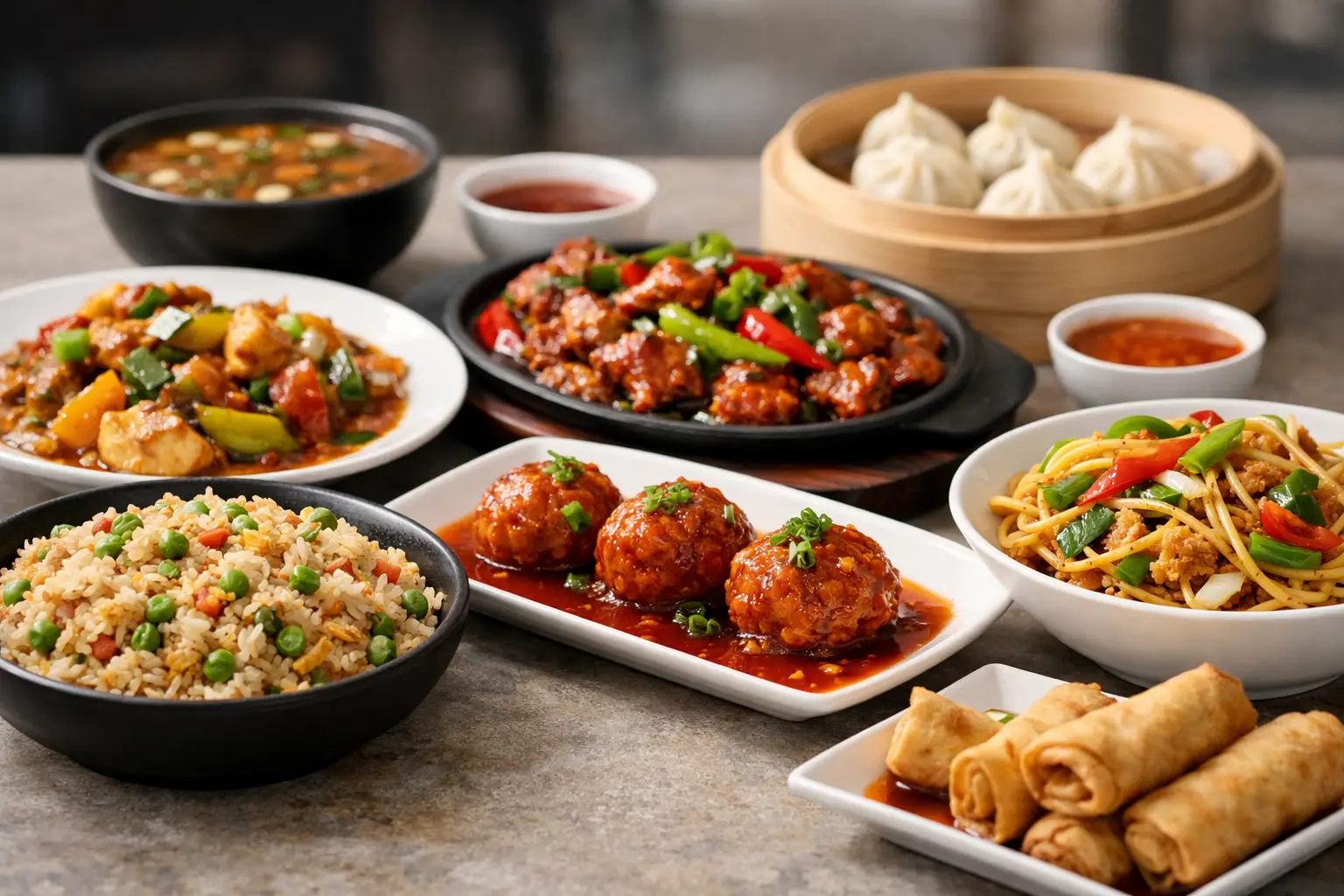
A shared meal is often the best way to enjoy both cuisines because the contrast becomes part of the fun. One person may prefer the comforting richness of a curry, while another reaches for tangy pickle, crisp chiura, or a smoky grilled bite. At Newa Chopstix in Philipsburg, that variety lets guests enjoy Nepalese, Newari, Indian, and Indo-Chinese dishes without asking everyone at the table to crave the same thing.
The best choice is the one that matches your appetite. Choose Indian dishes when you want a familiar regional classic, a fragrant rice dish, or a sauce made for naan. Choose Newari dishes when you want bold textures, festive sharing plates, and flavors that feel rooted in Kathmandu Valley tradition. Order both when the table is ready for a meal that feels a little more adventurous and a lot more memorable.