
A great curry does not announce itself with heat alone. It arrives in layers: the bright lift of ginger, the warmth of toasted cumin, the soft sweetness of onion, the depth of tomato or yogurt, and a finish that stays with you long after the last bite. This guide to authentic curry flavors helps you recognize those layers, order with confidence, and enjoy the remarkable variety behind one familiar word.
For diners in St. Maarten, curry can be a welcome change from the usual vacation meal. It can also feel intimidating when a menu offers choices from Nepalese, Newari, Indian, and Indo-Chinese traditions. The good news is that you do not need to know every spice or regional specialty before you sit down. You only need a little curiosity and an understanding that authentic flavor is about balance, not a single fixed taste.
What Makes Curry Taste Authentic?
Curry is not one recipe, one sauce, or one level of spice. It is a broad term used for dishes built around a seasoned sauce, gravy, or spiced preparation. Across South Asia and the Himalayan region, the ingredients and cooking methods change with geography, family tradition, climate, and available produce.
Authenticity starts with how flavor is built. Whole spices may be toasted before grinding, releasing a nutty aroma that pre-ground spices cannot fully match. Onion, garlic, ginger, and chilies are cooked patiently to create a foundation. Then come spices such as turmeric, coriander, cumin, cardamom, cinnamon, cloves, fenugreek, or mustard seed, each added at the right moment rather than all at once.
A well-made curry should taste connected. The sauce may be creamy, tangy, tomato-forward, earthy, smoky, or lightly sweet, but no one spice should feel accidental. Even a fiery dish needs enough body and aroma to give the heat a purpose.
A Guide to Authentic Curry Flavors by Region
Indian curries: depth, aroma, and variety
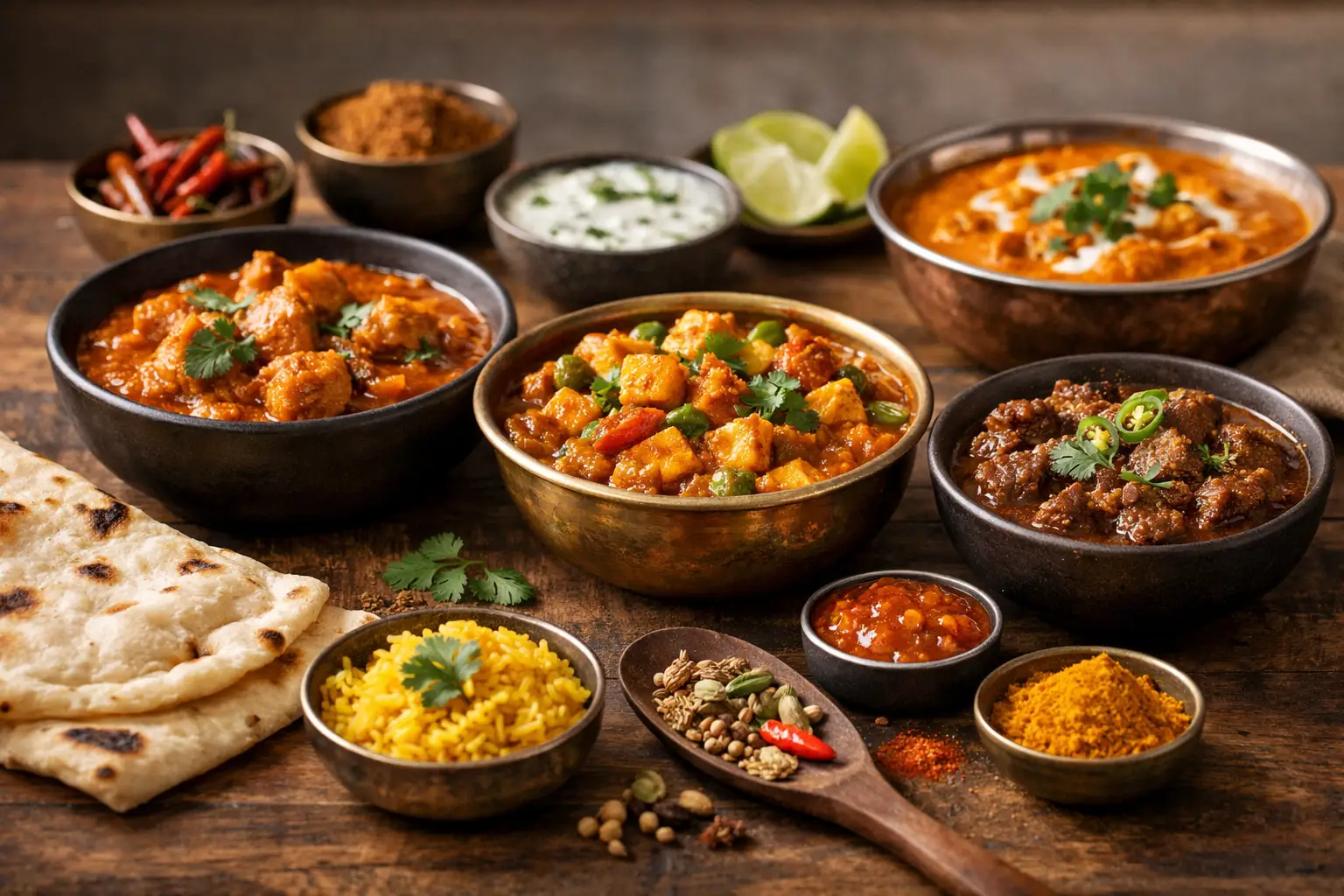
Indian cooking changes dramatically from region to region. A North Indian-style curry may have a rich base of tomato, onion, butter, cream, or yogurt, with warming spices such as garam masala and cardamom. These dishes often pair beautifully with naan or fragrant basmati rice because the bread and rice help carry the sauce.
In other parts of India, curries may be lighter, sharper, or more herb-forward. Coconut can bring a mellow sweetness and silkier texture. Tamarind adds a tangy edge. Mustard seeds, curry leaves, and dried red chilies can create a distinctly different profile from the creamy curries many American diners expect.
The lesson is simple: do not judge authenticity by whether every curry is thick, red, or creamy. A bright, tangy curry can be just as traditional as a rich, slow-cooked one.
Nepalese curries: clean spice and Himalayan comfort
Nepalese curry often feels deeply comforting while remaining clear in flavor. Many dishes feature turmeric, cumin, coriander, garlic, ginger, and fresh herbs, allowing the main ingredient – chicken, lamb, vegetables, or lentils – to remain present.
Dal, a seasoned lentil preparation, is especially central to everyday Nepalese dining. It may seem modest beside a dramatic curry, but its gentle, savory character shows the discipline of balanced seasoning. Served with rice, vegetables, pickle, or a meat curry, it creates a complete and satisfying meal.
Nepalese food can be spicy, but it is not defined by punishment-level heat. The aim is warmth, fragrance, and the kind of food that invites another spoonful.
Newari flavors: bold, textured, and proudly distinct
Newari cuisine comes from the Newar community of the Kathmandu Valley and has a character all its own. It is often bolder, more savory, and more textural than diners expect. Mustard oil, toasted spices, garlic, ginger, sesame, chilies, and fermented or pickled elements can bring depth and a pleasantly sharp finish.
Some Newari preparations are dry or semi-dry rather than saucy, which is a useful reminder that curry is not always about a bowl of gravy. Meat may be roasted, stir-fried, or cooked with concentrated spices, while accompaniments add contrast through crunch, tang, or heat.
For guests who enjoy exploring beyond familiar restaurant favorites, Newari dishes offer a memorable path into Himalayan food culture. They are especially enjoyable when shared, since different preparations reveal different sides of the cuisine.
Indo-Chinese curries: savory heat with a lively edge
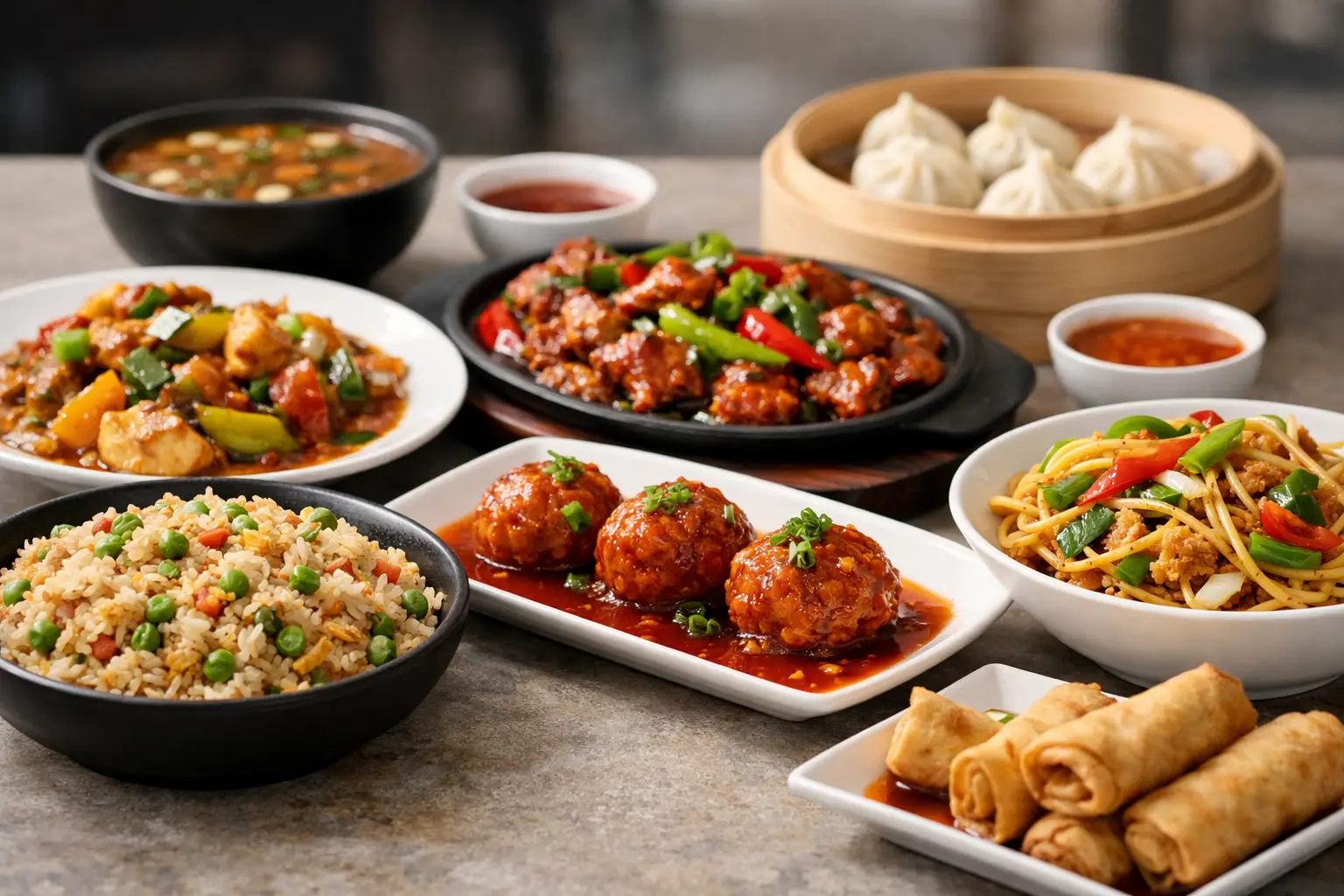
Indo-Chinese cuisine developed through the meeting of Indian spices and Chinese-inspired cooking techniques. Expect garlic, ginger, soy-based savory notes, chilies, peppers, and quick cooking that preserves color and texture. While not every Indo-Chinese dish is a curry, the same attention to heat, seasoning, and balance applies.
These flavors are often direct and energetic: a little smoky, a little tangy, and wonderfully satisfying with fried rice or noodles. They are a strong choice for groups where some guests want familiar Asian-style dishes while others want traditional South Asian and Himalayan flavors.
Spice Level Is Personal, Not a Test
One of the most common misunderstandings about authentic curry is that it must be extremely hot. Heat is part of many traditions, but it is only one part. A dish can be mild and still have exceptional spice character. In fact, choosing a lower heat level can make it easier to notice cardamom, coriander, fenugreek, pepper, and fresh herbs.
If you are trying an unfamiliar dish, start at mild or medium and ask for more heat if you already know you enjoy it. A restaurant that offers customizable spice levels is giving you a better chance to taste the dish as a complete experience rather than simply managing the burn.
For a table with different preferences, order one mild curry, one medium-spiced dish, and one bolder selection. This creates contrast without leaving anyone out. Cooling sides, yogurt-based sauces, rice, and bread can also make a spicier meal more comfortable without dulling its flavor.
How to Order a More Complete Curry Meal
A single curry can be satisfying, but sharing several dishes gives you a truer sense of how these cuisines work together. Start with a main curry that matches your preferred protein or vegetable. Add rice or bread for texture and for enjoying every bit of sauce. Then choose a contrasting dish: perhaps lentils alongside a richer curry, a dry Newari-style preparation beside a saucier one, or an Indo-Chinese favorite for a punchier savory note.
Balance matters here too. If your main dish is creamy and rich, choose something brighter or more herb-forward alongside it. If you select a spicy curry, add a milder companion. Families can choose different spice levels and share from the center of the table, allowing children and adventurous eaters to enjoy the same meal in their own way.
Do not overlook texture. Crisp appetizers, tender meats, soft rice, warm bread, and fresh garnishes turn dinner into more than a series of flavors. They create the satisfying contrast that makes a shared meal linger in memory.
Freshness Changes Everything
The best curry flavors depend on fresh preparation and careful timing. Garlic that is just cooked, ginger with a clean bite, herbs added near the end, and spices toasted to their fragrant point all make a visible difference. A sauce should cling to the food without becoming heavy or flat.
This is also why two curries that look similar can taste completely different. One may lead with sweet tomato and cream; another may lead with roasted cumin and black pepper; another may have the bright sourness of yogurt or tamarind. Color is only a clue. Aroma and balance tell the fuller story.
At Newa Chopstix, the menu brings these traditions together in a warm, family-friendly setting, making it easy to explore at your own pace. Whether you are ordering a familiar chicken curry or trying a Nepalese or Newari specialty for the first time, the right meal should feel welcoming from the first aroma to the final bite.
The next time you choose curry, let flavor guide you more than heat or habit. Ask what makes a dish special, share a few contrasting plates, and give yourself time to taste the spices as they unfold. That is where an ordinary dinner becomes a delicious memory.