
A great Indo-Chinese dinner starts when the table cannot agree on just one craving. One person wants crisp, spicy chicken, another wants saucy noodles, and someone else is looking for a comforting rice dish with plenty of vegetables. This guide to Indo-Chinese dinner choices helps you build a meal that feels generous, flavorful, and easy to share – whether you are planning a family dinner, a relaxed date night, or a lively meal with friends in SXM.
Indo-Chinese cuisine is made for that kind of gathering. It brings Chinese cooking techniques together with the bold seasoning, chilies, aromatics, and sauces loved across India and the Himalayas. The result is familiar enough for first-time diners, yet excitingly different from standard takeout. Expect garlic, ginger, soy, vinegar, green chilies, bell peppers, and a satisfying balance of heat, tang, sweetness, and savory depth.
Start Your Indo-Chinese Dinner Choices With Contrast
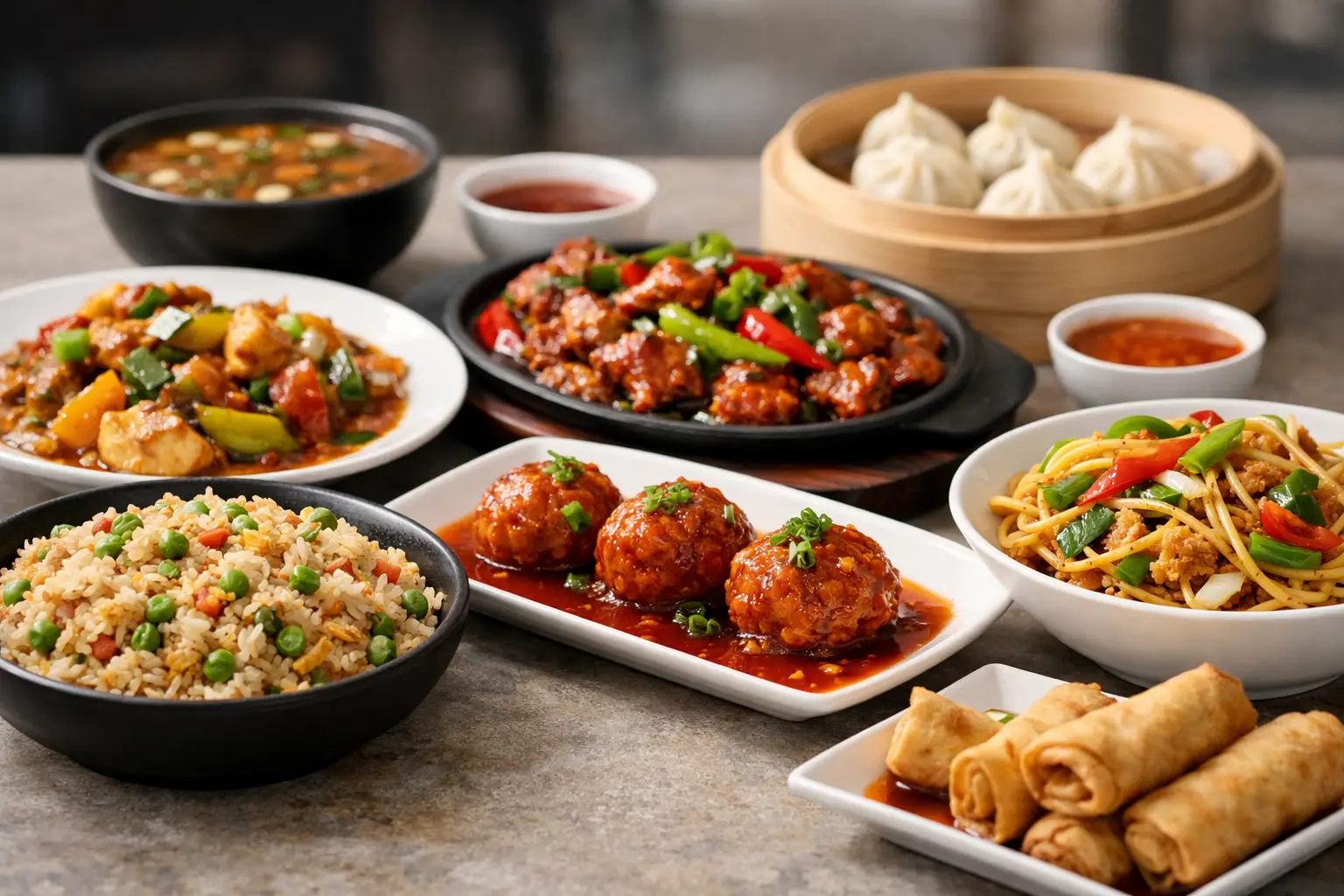
The best shared dinner has contrast. Begin with one crispy starter and one softer, sauce-forward option, so every bite does not feel the same. A hot, crunchy appetizer brings energy to the table, while a dish coated in a rich chili-garlic or Manchurian-style sauce adds comfort and depth.
Chili chicken is a reliable choice for guests who enjoy a little heat. Tender pieces of chicken are usually tossed with peppers, onions, chilies, and a savory sauce that is brightened by vinegar. Ask for a mild preparation if you want the flavor of the dish without a strong chili kick. For guests who enjoy bolder heat, medium or hot spice levels bring out more of the peppery character.
Chicken lollipop is another crowd-pleasing starter, especially when you want something fun to share. Its crisp exterior and juicy center make it easy to enjoy alongside drinks or before the main dishes arrive. Vegetable spring rolls or crispy vegetable appetizers are a smart addition when the group includes vegetarians or diners who prefer a lighter beginning.
If you see momos on the menu, they are worth considering. These Himalayan dumplings connect beautifully with an Indo-Chinese meal and offer a softer, more delicate counterpoint to fried starters. Steamed momos feel lighter, while fried momos offer extra crunch. Either way, their dipping sauce can bring a welcome burst of spice and tang.
Choose Your Main: Noodles, Fried Rice, or Both?
For most tables, the question is not noodles or rice. It is which noodle dish and which rice dish will give everyone enough variety. If you are ordering for two people with smaller appetites, one main and a starter may be enough. For a family or group, choose one noodle dish, one rice dish, and at least one saucy entrée to spoon over both.
Hakka noodles are an excellent foundation for an Indo-Chinese dinner. They are stir-fried with vegetables, seasoning, and aromatics, creating a dish that is savory and satisfying without being too heavy. Vegetable Hakka noodles work well beside chicken, shrimp, or paneer entrées because they let the sauce from the main dish shine. Chicken Hakka noodles are a more filling choice when you want the protein built right in.
Fried rice brings a different kind of comfort. Each grain should be flavorful, lightly seasoned, and mixed with vegetables, egg, or your choice of protein. It is often the best option for younger diners or guests who prefer milder food, particularly when paired with a sauce on the side. Schezwan fried rice is the choice for people who want more chili, garlic, and a stronger, bolder flavor profile.
When choosing between them, think about texture. Noodles are springy and saucy, while fried rice is lighter and more distinct in every bite. Ordering both creates a better shared dinner because guests can alternate between the two rather than filling up on a single style of starch.
Add a Saucy Entrée for the Table
A saucy entrée turns noodles and rice into a complete dinner. Manchurian dishes are especially popular because their sauce balances sweet, savory, tangy, and spicy notes. Vegetable Manchurian is a welcoming choice for mixed groups, with crisp vegetable balls coated in a glossy sauce. Chicken Manchurian offers the same satisfying flavor with a heartier center.
For a fresher, more pepper-forward option, try a chili preparation. Chili paneer is a favorite for vegetarian diners who want a substantial main dish, while chili chicken appeals to guests who prefer a familiar protein with bold Indo-Chinese seasoning. Bell peppers and onions add color, crunch, and a slight sweetness that balances the chilies.
If your group likes rich, garlic-led flavors, a hot garlic dish can be an excellent choice. The name suggests heat, but the spice level can often be adjusted. This is where a little guidance from your server helps: ask which dishes are naturally spicy, which are mild by default, and whether the kitchen can prepare sauces separately for children or more cautious diners.
Let Spice Support the Meal, Not Take It Over
Spice is personal, and a memorable dinner should make everyone at the table feel included. A medium spice level is often the sweet spot for a mixed group. It gives the food warmth and character without hiding the ginger, garlic, vegetables, or natural flavor of the protein.
Consider ordering one mild main, one medium-spice dish, and a hotter side or entrée for the serious chili lovers. That approach gives everyone a choice without making the full table follow the same heat level. If you are dining with children, fried rice, mild noodles, and a less spicy chicken or vegetable dish can keep the meal family-friendly while adults enjoy something with more kick.
Heat also depends on the dish. A spicy noodle dish paired with chili chicken may be more intense than expected, even if both are individually ordered at medium. Balance it with a mild fried rice, steamed dumplings, or a vegetable dish. The goal is not to prove how much heat you can handle. It is to keep reaching for another bite.
Build a Dinner That Suits Your Group
For a couple, a crisp starter, one noodle or rice dish, and one saucy entrée usually creates a satisfying meal with a little left to share. For three or four diners, add both noodles and fried rice, then choose two contrasting mains such as chili chicken and vegetable Manchurian. This combination gives the table different textures, proteins, and spice possibilities without overordering.
Families benefit from choosing dishes that are easy to recognize as well as dishes that introduce something new. Start with a familiar fried rice or noodles, then add a Manchurian or chili dish as the flavor adventure. Guests who avoid meat can still enjoy a full Indo-Chinese spread with vegetable fried rice, Hakka noodles, spring rolls, chili paneer, and vegetable Manchurian.
Do not overlook beverages and dessert. A cold drink can refresh the palate between spicy bites, while a classic hard drink may suit an evening meal with friends. Ending with dessert gives the dinner a more relaxed finish, especially after chilies, garlic, and tangy sauces have kept the palate busy.
Enjoy the Experience, Not Just the Order
Indo-Chinese food is at its best when it arrives in the center of the table and everyone takes a little of everything. Share the crispy starter while it is hot, spoon sauce over rice, twist noodles onto your plate, and compare favorites as you eat. There is no single perfect order because the best choice depends on your appetite, heat preference, and the people joining you.
At Newa Chopstix, that flexibility is part of the welcome: authentic Himalayan and Indo-Chinese flavors, prepared with care and adjusted to help every guest enjoy the meal. Choose a few contrasting dishes, be clear about your preferred spice level, and leave room for the surprise favorite that someone at the table insists you try.