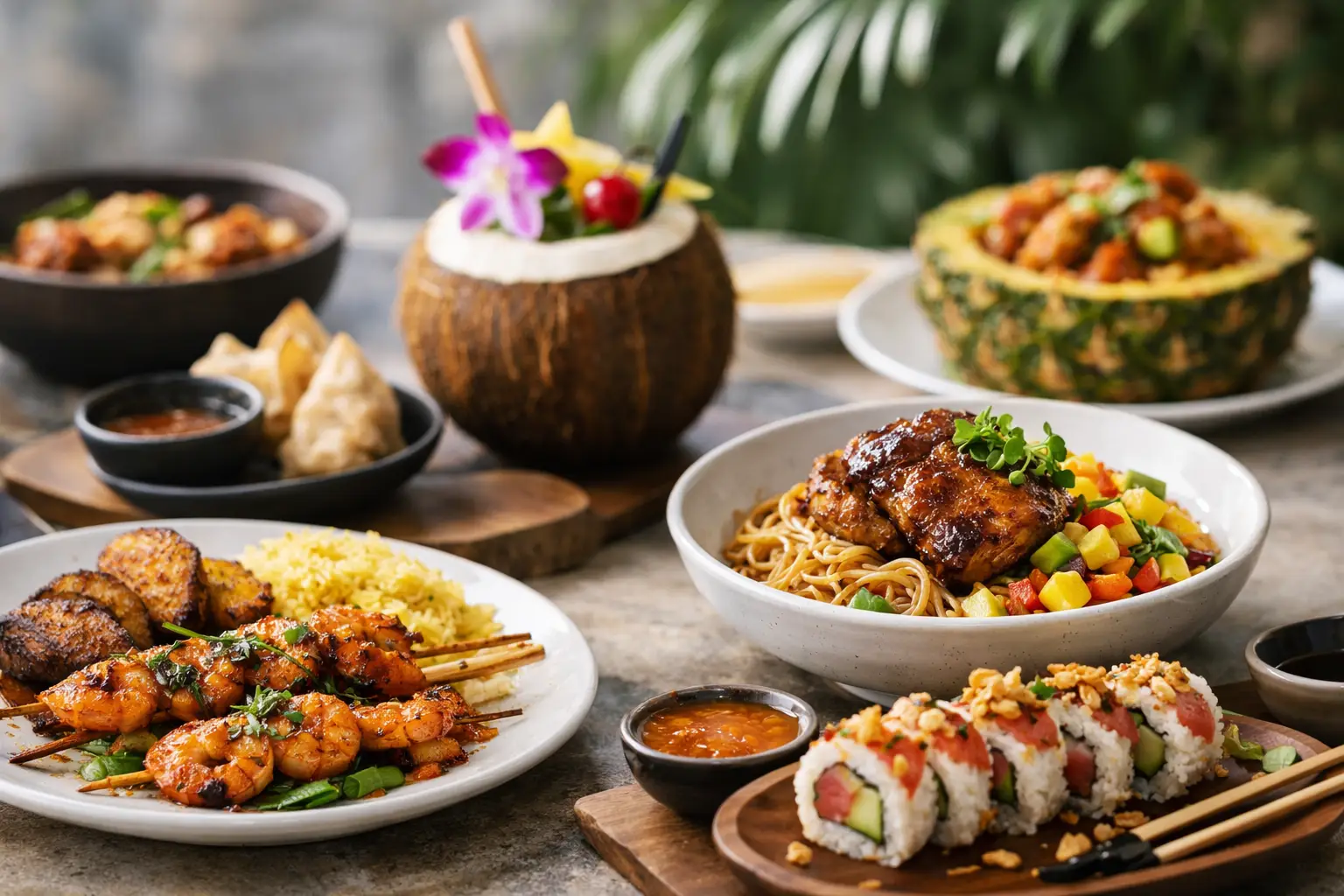

You can get grilled seafood almost anywhere in a Caribbean destination. You can also find familiar takeout-style Asian food in plenty of places. What stands out is caribbean asian fusion dining that feels thoughtful, authentic, and satisfying from the first bite to the last. When it is done well, it is not a gimmick. It is a real meeting of cultures, built on flavor, hospitality, and the kind of meal people remember long after vacation ends.
For many diners in St. Maarten, that matters. Visitors want something more special than standard tourist fare, and locals want a place they can return to for both comfort and quality. A restaurant that brings Himalayan cooking, Indian favorites, and Indo-Chinese energy into a Caribbean setting offers exactly that kind of experience – familiar enough to feel welcoming, distinctive enough to feel worth seeking out.
Why caribbean asian fusion dining works
The best fusion restaurants do not mash ingredients together just to sound creative. They understand where flavors complement each other. Caribbean cooking loves brightness, spice, freshness, and depth. Many Asian cuisines share that same foundation, even when the ingredients or techniques differ.
Think about the way heat works in a good curry compared with the warmth of a pepper-forward island dish. Think about fresh herbs, ginger, garlic, grilled meats, slow-cooked sauces, and rice dishes that carry bold seasoning beautifully. These combinations make sense on the plate because they already speak a similar flavor language.
That is why caribbean asian fusion dining can feel so natural when it is handled by experienced chefs. The Caribbean setting brings a relaxed, vibrant energy to the table, while authentic Asian traditions bring structure, complexity, and a deep respect for seasoning. The result is not confusion. It is balance.
More than fusion for fusion’s sake
There is a big difference between a restaurant that uses the word fusion as a trend and one that uses it to describe a real dining identity. Guests can tell the difference quickly. If the flavors taste forced, the experience ends there. If the food is grounded in genuine culinary knowledge, people notice.
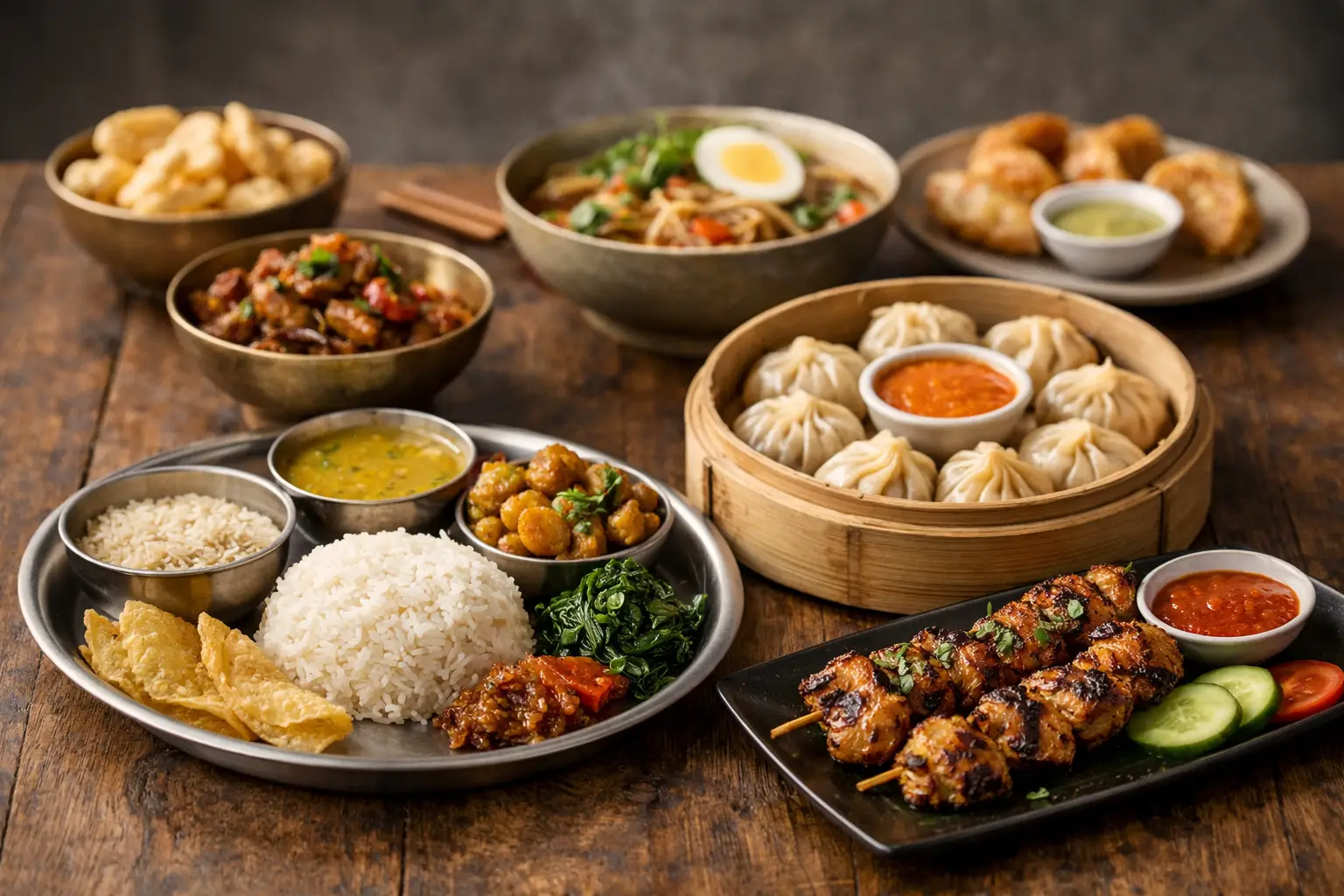
That is where authenticity matters. A chef with years of experience in Nepalese, Newari, Indian, and Indo-Chinese cuisine understands how to build flavor properly, how to manage spice with care, and how to create variety without losing quality. In a Caribbean location, that expertise becomes even more valuable because guests are often looking for something they cannot easily find at home.
A strong fusion menu should not feel random. It should feel curated. Rich curries, sizzling stir-fries, handmade specialties, grilled dishes, and family-style options all need to sit together naturally. The goal is not to impress people with unusual combinations alone. The goal is to serve food that tastes so good it makes sense immediately.
The role of authenticity in a Caribbean setting
Some diners hear the word fusion and assume authenticity gets watered down. Sometimes that concern is fair. A restaurant can become too focused on broad appeal and lose the character that made the cuisine special in the first place.
But authentic cooking and broad appeal do not have to compete. In fact, the strongest restaurants prove the opposite. They stay true to traditional foundations while making the experience comfortable for a wide range of guests, including families, first-time diners, and travelers who may not know every dish by name.
That can mean offering adjustable spice levels so one table can enjoy bold heat while another keeps things mild. It can mean presenting regional dishes alongside well-loved favorites. It can also mean creating a dining room atmosphere that feels warm and relaxed rather than formal or intimidating.
For many guests, that combination is exactly what makes the experience memorable. They get the confidence that the food is prepared with real skill and cultural pride, but they also get the ease of attentive service and a setting that feels welcoming.
What guests are really looking for
Most people searching for a restaurant during a trip are not looking for a lecture on culinary theory. They want a meal that feels worth their time, money, and appetite. They want flavor, comfort, and a good atmosphere. They want a place where everyone at the table can find something to enjoy.
That is one reason this style of dining works so well for couples, groups, and families. A broad menu can satisfy different tastes without lowering standards. One guest may want a deeply spiced curry. Another may prefer noodles, a milder rice dish, or a familiar appetizer. Parents may want options that work for children while still enjoying something more adventurous themselves.
The bar also plays a role. A good drink alongside a flavorful meal helps turn dinner into an occasion rather than a stop between activities. In a Caribbean destination, that sense of occasion matters. Guests want to relax, settle in, and enjoy the evening.
Flavor that feels both exciting and comforting
One of the biggest strengths of caribbean asian fusion dining is that it can be exciting without becoming difficult. The flavors are bold, but they are also inviting. Diners who already love Asian food often appreciate the range and authenticity. Diners who are trying these cuisines for the first time often connect with the warmth, the rich sauces, the grilled aromas, and the flexibility.
That flexibility matters more than people think. Not every guest wants maximum spice. Not every guest wants the same type of protein, texture, or portion size. A restaurant that respects those differences creates a better experience from the start. Guests feel taken care of, not pushed toward a one-size-fits-all meal.
This is especially important in a destination where the audience includes both local regulars and international visitors. Some people are seeking comfort food. Others are chasing something memorable. The best restaurants make room for both.
A dining room experience, not just a menu
Great food gets attention, but hospitality is what turns a first visit into a recommendation. In a full-service restaurant, the atmosphere shapes the meal as much as the plate does. Friendly service, knowledgeable staff, and a space that feels clean, comfortable, and cared for all contribute to the overall impression.
That home-like feeling matters. Guests do not just want to be served. They want to feel welcomed. They want to ask questions about the menu without hesitation. They want confidence that their preferences will be heard, whether they are ordering for a family dinner, a date night, or a relaxed evening after a day of exploring.
This is where a restaurant like Newa Chopstix stands out. Bringing authentic Himalayan flavors into a Caribbean setting only works when the hospitality matches the food. The experience has to feel warm, generous, and easy to enjoy. When it does, guests leave feeling they found something special rather than simply checking off another place to eat.
Why this style of dining keeps growing
People are more open than ever to trying cuisines beyond the usual choices, but they are also more selective. They want quality. They want authenticity. They want a meal that delivers on its promise. That is why restaurants with a clear identity and genuine culinary roots continue to earn loyalty.
Caribbean Asian fusion dining fits that moment well because it offers both discovery and comfort. It gives travelers a fresh experience tied to the spirit of the island, and it gives local diners a place with enough depth and variety to come back again. That combination is hard to fake.
Of course, fusion is not automatically better than a single-cuisine restaurant. Sometimes diners want a very specific traditional meal, and that has its own value. But when a restaurant has the expertise to bring multiple traditions together with respect, the result can be richer, more versatile, and more memorable.
A great meal should feel like more than a transaction. It should reflect care, culture, and confidence on the plate. When caribbean asian fusion dining is built on authentic cooking, flexible flavors, and genuine hospitality, it becomes the kind of experience people talk about at the hotel, recommend to friends, and plan to return for on their next night out.