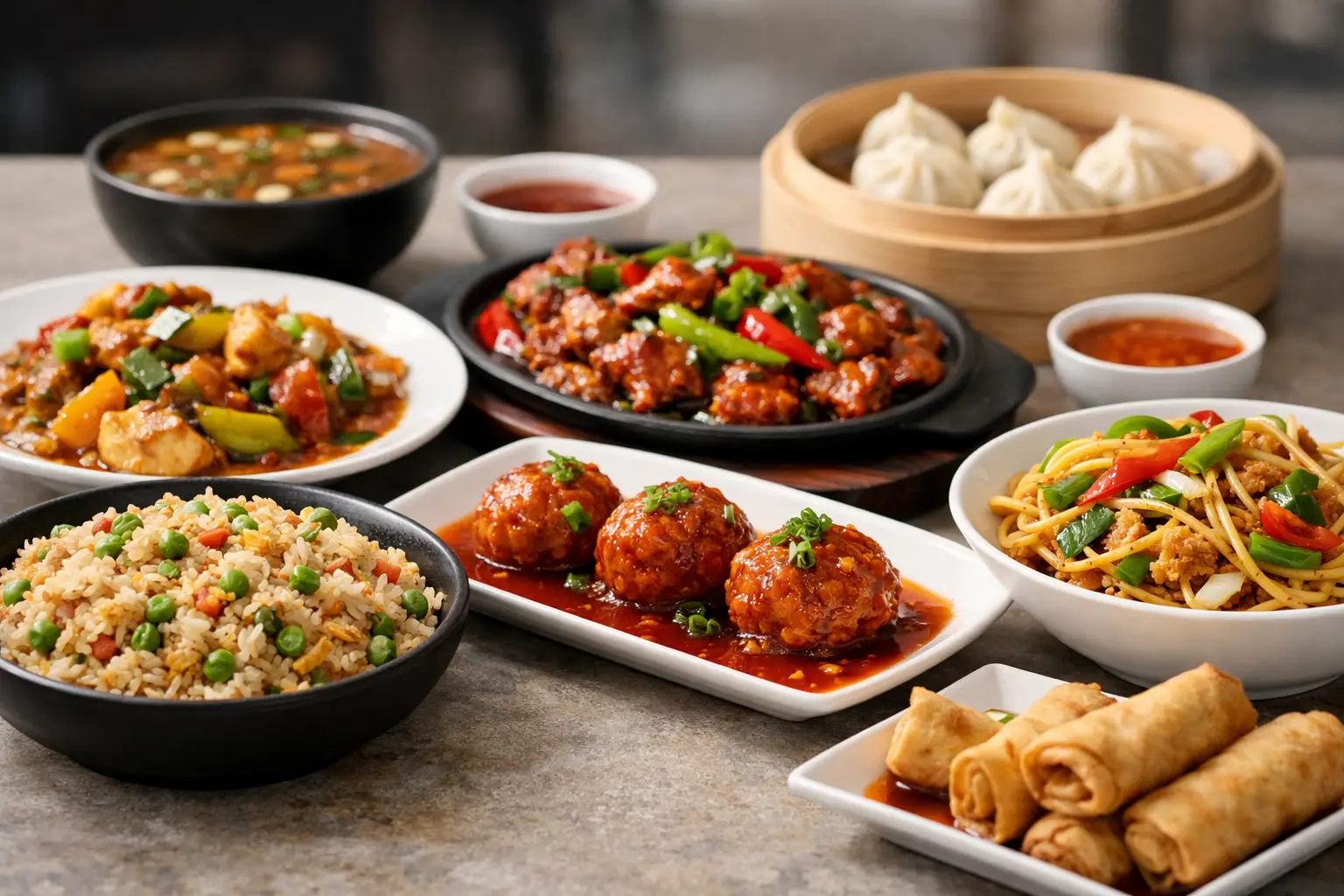
Some meals fill you up. Others stay with you. The difference is often fresh food.
You can taste it in the first bite – brighter herbs, vegetables with real texture, meat that feels properly cooked instead of tired, and sauces that taste layered rather than heavy. For diners, that difference shows up as flavor and comfort. For a restaurant that cares about hospitality, it shows up as trust. When a meal tastes fresh, guests relax. They feel looked after.
What fresh food really means
Fresh food is not just a label people like to hear. It is a standard that affects flavor, texture, aroma, and the overall feeling of a meal. Ingredients that are prepared with care and used at the right time tend to hold their natural character. Onions still have sweetness and bite. Herbs still smell lively. Proteins taste clean and balanced instead of flat.
That matters even more in cuisines built on detail. Nepalese, Newari, Indian, and Indo-Chinese cooking depend on layers – spice, heat, aromatics, acidity, and richness working together. If the ingredients are dull, the whole dish becomes dull. If they are fresh, every layer has more definition. You do not just taste spice. You taste the ingredients behind it.
Freshness also has a practical side. It supports consistency. Guests may not describe it in culinary terms, but they know when a dish tastes lively and when it tastes like it has been sitting too long. That instinct is powerful. It shapes whether someone orders again, comes back with family, or recommends a restaurant to friends.
Why fresh food tastes better
The easiest way to explain it is simple – fresh ingredients still have something to say.
Vegetables keep their snap and color. Fresh garlic has sharper fragrance. Ginger brings warmth that feels clean instead of fibrous or stale. Tomatoes can add sweetness and acidity at the same time. When those ingredients meet careful cooking, dishes become more balanced. Rich curries feel less heavy. Fried rice tastes more aromatic. Noodle dishes hold contrast instead of blending into one soft texture.
This is especially important when a menu spans multiple traditions. A momo filling needs freshness for a juicy, satisfying bite. A curry needs fresh aromatics for depth. A chili-based Indo-Chinese dish needs crisp vegetables and a sauce that tastes bold, not sticky or tired. Fresh food helps each dish keep its identity.
There is also a difference between heat and flavor. A lot of diners enjoy spice, but nobody wants spice to cover weak ingredients. Fresh food gives heat something to build on. That is why adjustable spice levels work best when the base flavors are strong. Guests can choose mild, medium, or hot and still enjoy a complete dish.
Fresh food and the feeling of comfort
Restaurants often talk about flavor first, but comfort matters just as much.
A satisfying meal should feel generous without feeling careless. Fresh food helps create that balance. When ingredients are handled well, dishes feel cleaner on the palate and easier to enjoy from the first bite to the last. You notice the warmth of the spices, the softness of rice, the tenderness of meat, the brightness of herbs. Everything feels more intentional.
That sense of comfort is one reason people return to a place that feels like home. They want food that is exciting enough for a night out but grounded enough to feel reassuring. This is especially true for families and mixed groups. Some guests want bold flavor. Some prefer something milder. Some want to try a cuisine for the first time without feeling overwhelmed. Fresh food makes that experience more welcoming because the flavors feel honest and clear.
How fresh food supports authentic cooking
Authenticity is not only about using the right dish names or spice blends. It is about respecting how a dish should taste and feel.
Traditional cooking styles from the Himalayan region and across South Asia rely on ingredients doing their part. Fresh onions, garlic, ginger, cilantro, chilies, and whole spices are not background details. They are the backbone of the meal. If they are handled poorly, even a well-written recipe loses its soul.
Fresh food also allows chefs to cook with more confidence and less disguise. They do not need to overload a sauce to hide tired ingredients. They can let a curry be rich without becoming muddy. They can keep a stir-fry bold without making it greasy. They can deliver a dessert that feels satisfying rather than overly sweet.
For guests, that translates into a better kind of authenticity – one you can taste immediately. Not forced. Not theatrical. Just genuine food prepared with care.
Fresh food is not always the same as fancy food
This point matters because diners sometimes hear the word fresh and assume a meal will be expensive, overly delicate, or too small to satisfy.
In reality, fresh food can be deeply comforting, family-friendly, and generous. A well-made curry with fresh aromatics, a rice dish cooked properly, or hand-prepared appetizers can feel both special and familiar. Freshness is not about turning dinner into a performance. It is about giving each ingredient a chance to taste like itself.
There are trade-offs, of course. Fresh preparation takes planning. Some ingredients are seasonal. Some dishes require more attention during service. That can make quality harder to maintain unless a restaurant is truly committed to it. But that commitment is exactly what guests notice over time. They may come in first for something new, but they return for the confidence that the food will be worth it again.
What diners should look for in fresh food
You do not need professional training to spot quality. Usually, your senses tell you quickly.
Look at color and texture first. Fresh vegetables should not seem faded or limp. Sauces should look intentional, not separated or lifeless. Fried dishes should have crispness without tasting old. Rice should feel properly cooked, not dry or clumped.
Then pay attention to aroma. Fresh food smells inviting before you even taste it. You should notice herbs, spice, garlic, ginger, or roasted notes depending on the dish. If everything smells muted, the flavor often follows.
Finally, think about how the meal feels as you eat. A fresh dish usually has contrast. Soft and crisp. Rich and bright. Heat and depth. Even comforting food should have some movement in flavor and texture.
Fresh food in a restaurant setting
For diners choosing where to eat, freshness often becomes the difference between a forgettable stop and a meal worth talking about later.
A restaurant can have a beautiful dining room, a large menu, and fast service, but if the food feels stale or generic, the experience falls flat. On the other hand, when the ingredients taste fresh, everything else gets stronger. The hospitality feels more sincere. The chef’s skill becomes more obvious. The menu feels more trustworthy.
That is one reason restaurants that focus on authentic, made-with-care cuisine stand out in a place like SXM, where visitors and locals have many choices. People are not only looking for something to eat. They want something that feels memorable, welcoming, and worth sharing with the table.
At Newa Chopstix, that idea matters because the experience is not built around one dish alone. It is built around bringing authentic Himalayan flavors to guests in a way that feels warm, generous, and comfortable. Fresh food helps make that promise real.
Why fresh food matters for families, couples, and groups
Not every table wants the same thing, and that is where freshness becomes even more valuable.
Families want food they can trust and flavors that work for different ages. Couples want a meal that feels special without being stiff. Groups want variety without sacrificing quality. Fresh food supports all of that because it gives each dish more clarity and appeal.
A mild curry made with fresh ingredients still tastes rich and complete. A spicy noodle dish feels exciting without becoming one-note. Shared appetizers feel more inviting when the textures are right and the fillings taste lively. Dessert lands better after a meal that felt balanced from the start.
That kind of flexibility matters in hospitality. It lets a restaurant welcome adventurous diners and cautious diners at the same table.
Fresh food does not need a hard sell. Guests recognize it when they taste it, and they remember how it made them feel – satisfied, cared for, and happy they chose that meal over an easier option. If you are deciding where to dine, look for the place where the flavors feel alive. That is usually where the real experience begins.