A lot can be learned about a destination by what ends up on the table. The strongest authentic cuisine travel trends are not about chasing the most expensive reservation or the most photographed dish. They are about finding food that carries memory, technique, and a real sense of place.
For travelers, that shift matters. People still want a beautiful setting and great service, but they are increasingly choosing restaurants that offer cultural honesty along with comfort. They want meals that feel rooted, not staged for tourists. They want to taste what families grew up eating, what chefs have spent years perfecting, and what a region is genuinely proud to serve.
Why authentic cuisine travel trends matter now
Travel dining has changed. For years, many visitors expected familiar menus in unfamiliar places. That is still true for some families and convenience-first diners, and there is nothing wrong with wanting a safe, recognizable option on vacation. But more guests now build parts of their trip around food that feels specific to a culture.
That does not always mean eating only street food or only dishes with the strongest spice. Authenticity is not a performance. Often, it means eating in a place where the cooking reflects real traditions, the ingredients are treated with care, and the staff can guide guests with warmth instead of making them feel out of place.
This is one reason travelers are paying more attention to restaurants that balance heritage and hospitality. They want to try something new, but they also want to feel welcome while doing it. The best experiences deliver both.
The new version of food tourism is more personal
Food tourism used to be framed as a hunt for the unusual. Now it is becoming more thoughtful. Guests are asking better questions. Who is cooking the food? What culture shaped this dish? Is the menu staying true to its roots, or has it been watered down beyond recognition?
At the same time, most travelers are not looking for a lecture with dinner. They want a memorable experience that feels easy to enjoy. That is where restaurants with real cultural confidence stand out. They do not need to overexplain every plate. The flavors speak clearly, and the service helps guests feel at home.
For families, couples, and groups, this matters even more. A good vacation meal has to satisfy different comfort levels at the same table. One person may want a bold regional specialty, another may prefer something milder, and the kids may need familiar textures. Restaurants that can stay authentic while offering flexibility are in a strong position.
Authentic cuisine travel trends are moving beyond the obvious capitals
One of the most interesting changes is where travelers are looking. Food travelers still visit famous cities for famous restaurants, but they are also paying attention to destinations where cultural variety creates something distinctive. Islands, port towns, and tourism hubs often bring together traditions in ways that feel fresh without being forced.
That makes cross-cultural dining more relevant than ever. A restaurant can honor Himalayan cooking, for example, while serving guests in a Caribbean setting and still remain deeply authentic if the food is prepared with skill, respect, and lived knowledge. In many ways, that kind of experience reflects how people really travel today. They are not just visiting one culture in isolation. They are meeting places where histories, communities, and tastes intersect.
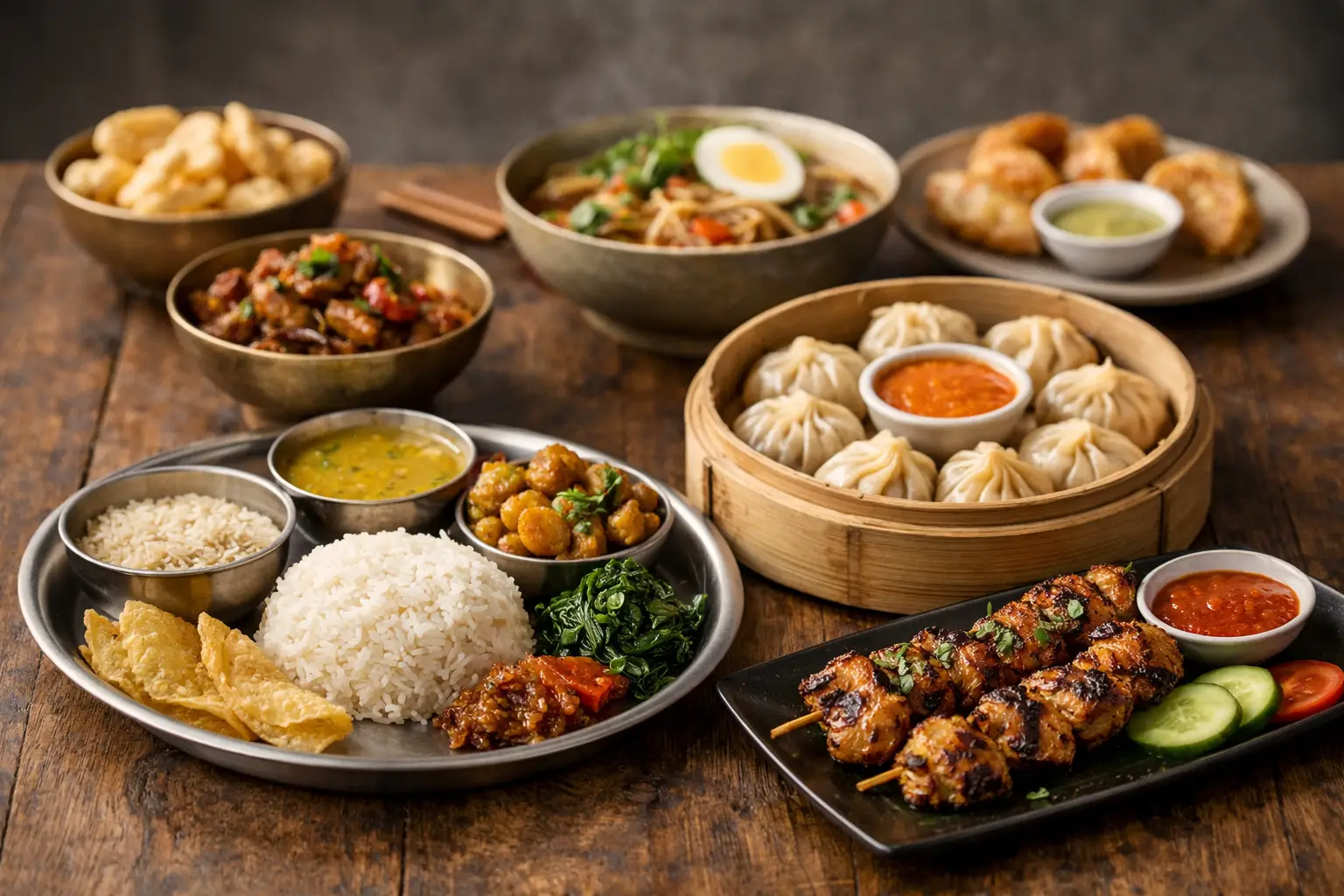
For diners, this creates a richer experience. You can enjoy a meal that is grounded in Nepalese, Newari, Indian, or Indo-Chinese traditions while also appreciating how hospitality adapts to the local setting and the people being served.
What travelers actually mean when they ask for authenticity
Authenticity sounds simple, but diners mean different things by it. Some want traditional recipes prepared as closely as possible to their original form. Others care more about whether the flavors feel honest, even if a chef adjusts a dish slightly for local ingredients or guest preferences.
That is where the trade-off comes in. A restaurant that refuses any adaptation may impress experienced eaters but intimidate casual diners. A restaurant that changes too much may become forgettable. The sweet spot is knowing what should never be compromised and what can be customized without losing the soul of the dish.
Spice level is a good example. Making a curry or stir-fry milder for a guest does not automatically make it inauthentic. What matters is whether the foundation of the dish is still true – the layering of spices, the cooking technique, the balance of aromatics, the texture, and the intention behind it.
For many guests, that balance is exactly what makes a restaurant worth returning to. They get a real taste of another culinary tradition without feeling like outsiders.
Social media still matters, but trust matters more
Travelers discover restaurants online, and beautiful food photos still influence decisions. But visual appeal alone is not enough anymore. Guests read reviews more carefully, pay attention to repeated comments about service, and notice when people describe a place as feeling genuine.
That word – genuine – carries real weight. It suggests consistency between what a restaurant promises and what it delivers. It means the meal tastes as good as it looks. It means the dining room feels welcoming, not performative. It means staff are attentive and proud of what they serve.
For destination diners, that trust can be the deciding factor. When visitors have limited time, they are more likely to choose a place that offers both strong flavor and a sense of confidence. They want to know they are not just booking a meal. They are choosing an experience that will feel worth the evening.
Comfort is becoming part of the authentic dining experience
There was a time when some people treated authenticity and comfort as opposites. If a place was truly authentic, the thinking went, it had to be rough around the edges. That idea is fading.
Today, one of the clearest authentic cuisine travel trends is the rise of restaurants that pair traditional cooking with thoughtful hospitality. Guests want real food, but they also appreciate a clean, inviting room, helpful recommendations, family-friendly options, and service that feels personal.
This is especially true in tourism markets. A memorable restaurant has to meet people where they are. Some guests are adventurous eaters. Others are trying a cuisine for the first time. A warm welcome can make the difference between curiosity and hesitation.
When a restaurant creates a home-like atmosphere while serving dishes with true cultural depth, the experience becomes more than a meal. It becomes a place people recommend.
Why multi-cuisine restaurants can still feel authentic
Some diners assume that a broad menu weakens authenticity. Sometimes that is true. If a restaurant tries to be everything to everyone, quality can slip and identity can blur.
But multi-cuisine does not automatically mean generic. It depends on the culinary background behind the menu. If the offerings come from connected food traditions and are prepared with experience, a wider menu can actually improve the guest experience. It allows different diners to find their comfort zone while staying within a genuine cultural framework.
That is particularly appealing for mixed groups. One guest may want Nepalese momos, another may be drawn to Indian curries, and someone else may prefer the bold, familiar heat of Indo-Chinese dishes. When those choices are executed well, the result is not confusion. It is range with integrity.
For restaurants like Newa Chopstix, that combination reflects how modern diners actually eat. They want authenticity, but they also want options, flexibility, and a strong chance that everyone at the table will leave happy.
What this trend means for travelers choosing where to eat
If you want to follow authentic cuisine travel trends in a way that leads to better meals, look past the marketing language and pay attention to signals that are harder to fake. A focused culinary identity matters. So does consistency in guest feedback. Menus should feel intentional, not random. Service should help you enjoy the cuisine, not make you feel tested by it.
It also helps to stay open-minded about where authenticity can show up. It may be in a signature regional dish. It may be in the way a chef handles spice and texture. It may be in a dining room where the hospitality feels as sincere as the cooking.
The best travel meals do not just give you something new to post about. They give you something real to remember. When a restaurant respects its roots and cares deeply about its guests, that memory tends to last a lot longer than the trip itself.
The next time you travel, choose the place that feels proud of what it serves and glad you came to try it.