
Some nights, family dinner feels easy. Other nights, one person wants comfort food, another wants something lighter, the kids want familiar flavors, and someone always asks about spice. If you have ever wondered how to build family meal options that actually satisfy everyone, the answer is not making separate dinners. It is building one thoughtful meal with enough balance, flexibility, and flavor that everyone feels included.
A good family meal does more than fill the table. It creates a moment where different tastes can meet without stress. That matters even more when you are serving a mixed group of kids, adults, adventurous eaters, and people who prefer to keep things simple. The best family-style meals are generous, easy to share, and built around a few smart choices rather than a complicated plan.
How to build family meal with balance
Start with the center of the table. Every strong family meal needs an anchor, usually a main dish or a pair of mains that feel substantial enough to satisfy the whole group. This might be a curry, noodles, grilled meat, fried rice, or a hearty vegetarian dish. The key is choosing something with broad appeal, then building around it with sides that add contrast.
Balance matters more than volume. A meal feels complete when it has a protein, a starch, and at least one vegetable element, but texture is just as important. If everything is rich and saucy, the table can feel heavy fast. If everything is dry or mild, dinner can feel flat. A great family meal usually includes one comforting dish, one brighter or fresher dish, and one item that adds crunch or variety.
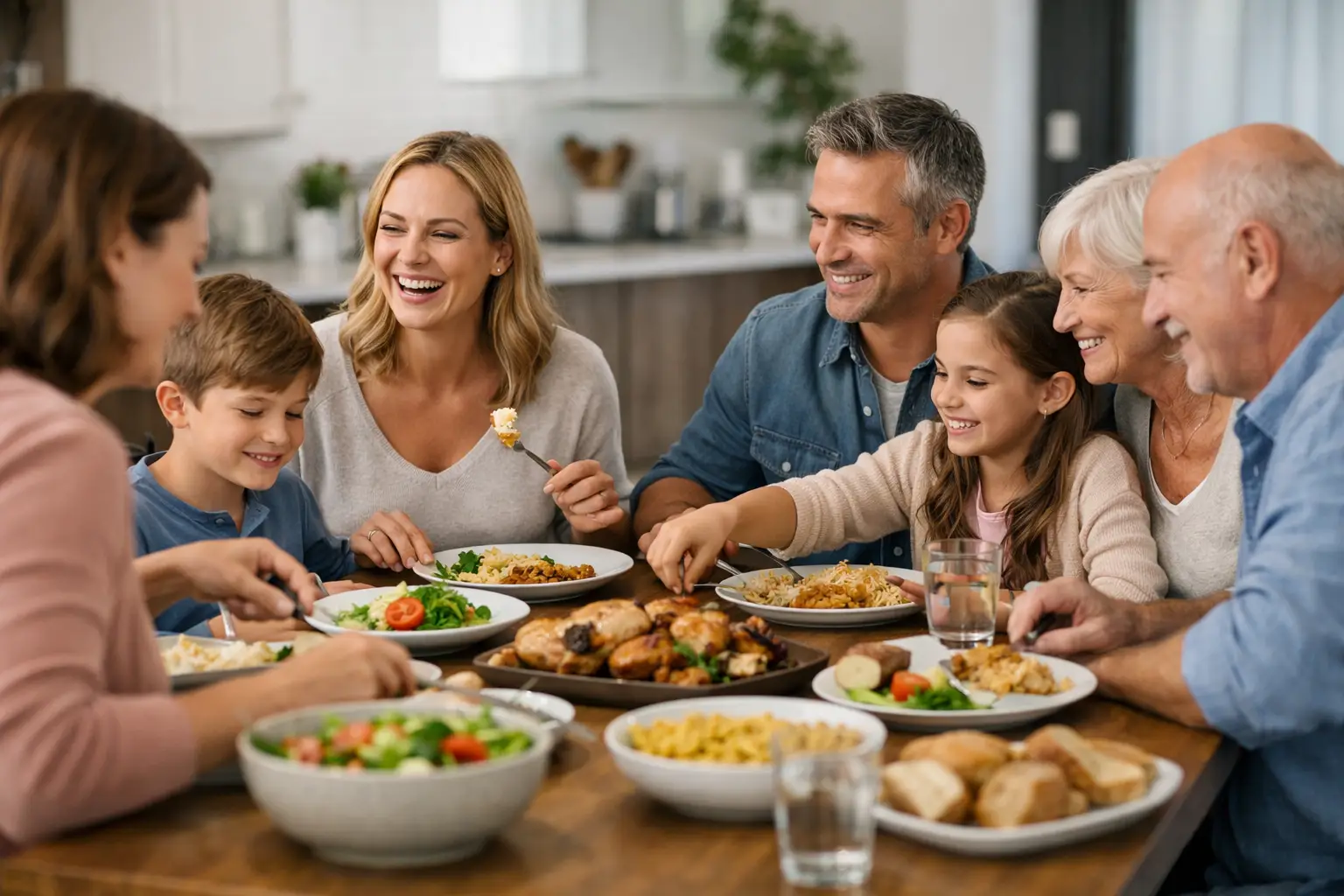
This is why shared dining works so well across many food traditions. You are not asking everyone to love one exact plate. You are giving the table options that work together. A bowl of rice with a savory main, a vegetable side, and a mild starter creates room for different appetites and preferences without turning dinner into a negotiation.
Think in combinations, not individual orders
One of the easiest mistakes families make is planning meals around each person separately. That sounds considerate, but it often leads to too much food, too much work, and a table that feels disconnected. It is usually better to think in combinations.
For example, if you choose a richly spiced chicken dish as the main event, pair it with plain rice or noodles, a vegetable dish, and a milder side. That way, the bold flavor lovers get what they want, while others can adjust each bite. The same idea works if your family prefers vegetarian choices. A well-made paneer dish, lentils, or stir-fried vegetables can hold the center of the table when the sides are chosen well.
This approach also helps with kids. Children often respond better to meals where they can build their own plate from a few shared dishes rather than being handed something fully mixed and unfamiliar. Familiar basics such as rice, noodles, grilled items, or mildly seasoned appetizers can make a more adventurous meal feel approachable.
Choose flavors that can flex
When people ask how to build family meal ideas that work for a real household, spice is usually part of the challenge. Some diners want heat. Others want flavor without too much intensity. The good news is that these are not opposite needs.
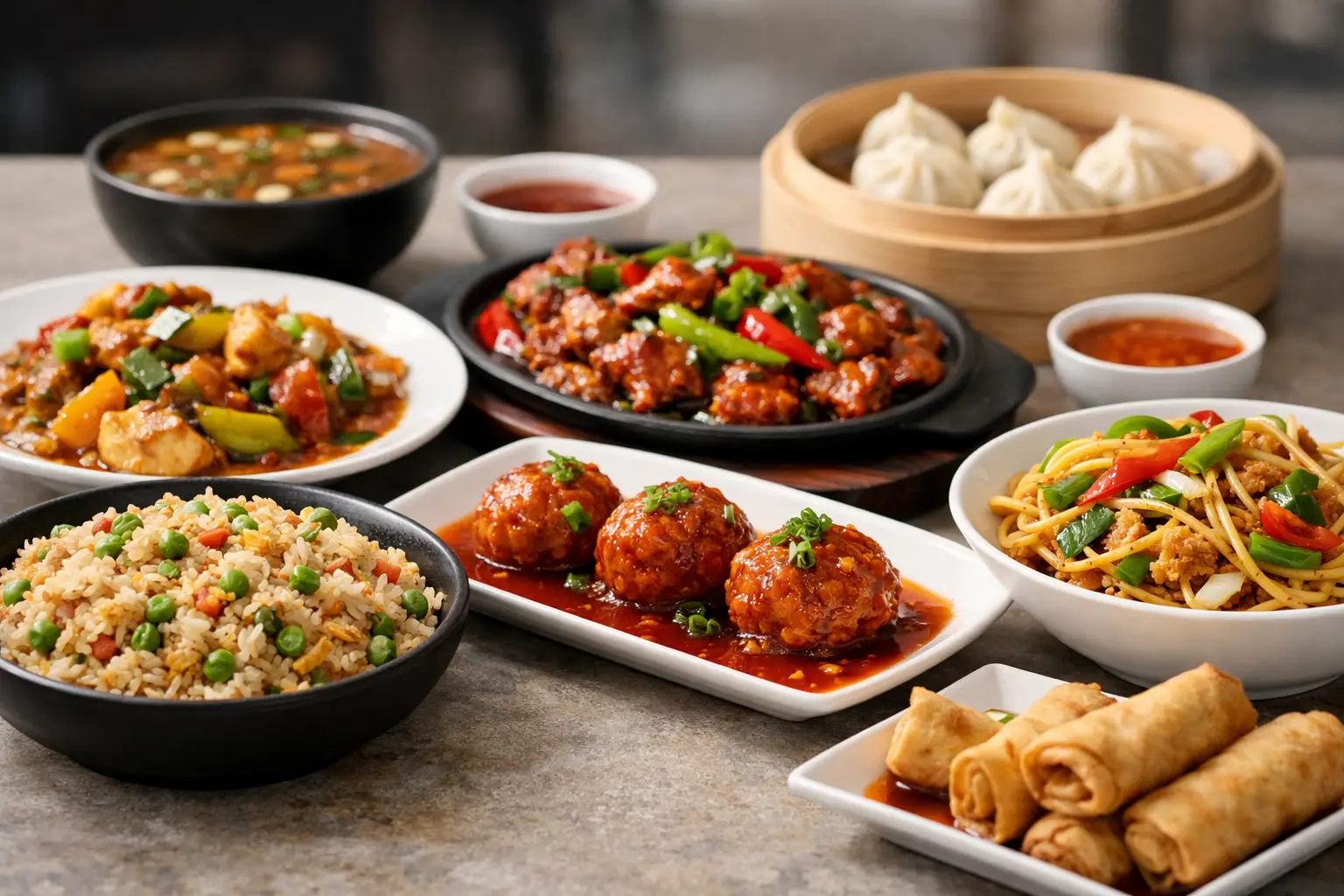
A family-friendly meal is not bland. It is flexible. Dishes with layered seasoning, aromatic sauces, and adjustable heat tend to work better than meals built around extreme spice. That is one reason Nepalese, Indian, and Indo-Chinese styles of cooking are so effective for group dining. They offer depth, warmth, sweetness, savoriness, and spice in different levels, which makes it easier to please a mixed table.
If you are ordering in or planning a shared dinner out, choose a spread with a range of flavor intensity. One mild starter, one medium-spice main, one familiar starch, and one crowd-pleasing side can carry the whole meal. You do not need every dish to challenge the palate. You just need enough character that dinner feels memorable.
Let one dish be the adventure
Not every item has to be a safe pick. In fact, family meals are often better when one dish brings something new to the table. Maybe that is a traditional Nepalese specialty, a sizzling Indo-Chinese favorite, or a curry someone has not tried before. The difference is that it should sit alongside comforting, recognizable choices.
That trade-off matters. If every dish is unfamiliar, some guests may pull back. If every dish is predictable, the meal can feel forgettable. One adventurous selection surrounded by approachable favorites gives people a chance to explore without pressure.
For families hosting visitors or traveling together, this is often the best way to share a local dining experience. You can enjoy authentic flavors and still keep the table comfortable for everyone.
Portioning a family meal without overordering
Generosity is part of a good family table, but so is pacing. Overordering sounds fun until the table is crowded with dishes that overlap too much. Underordering leaves people picking around for the last spoonful of rice.
A better rule is to order or prepare enough variety for sharing, not enough of everything for everyone to eat full portions of each dish. Two mains, one or two starches, one vegetable side, and a starter often works well for a small family. Larger groups can add another main or appetizer rather than doubling every item.
This is where restaurant family dining can be especially helpful. Shared portions make it easier to sample different textures and flavors without committing the whole table to a single plate. At a place like Newa Chopstix, the range of Nepalese, Indian, and Indo-Chinese dishes makes this style of ordering feel natural because the menu is built for variety, comfort, and choice.
Build around comfort, then add character
The most successful family meals have a sense of home to them, even when the cuisine is new to some people at the table. Comfort does not always mean plain food. It means the meal feels welcoming.
Rice dishes, noodles, grilled meats, dumplings, mild curries, and warm breads often create that foundation. Once that is in place, you can add more character through sauces, spice, pickled sides, or one signature dish. That balance keeps dinner grounded.
This is especially useful when dining with older relatives, young children, or guests from out of town. Some people want a memorable food experience. Others simply want a meal they can relax into. A family meal should do both.
Don’t forget the pace of the meal
Family dining is not only about what is served. It is also about how the meal unfolds. Starters help everyone settle in. Shared mains keep the center of the table active. A small dessert at the end can turn an ordinary dinner into something that feels complete.
You do not need a huge spread for that effect. Even one appetizer and one dessert can change the rhythm of the evening. It gives people time to talk, taste, and enjoy the meal as an experience rather than a quick transaction.
That is often the difference between food that is merely convenient and food that brings people together.
How to build family meal habits that last
If you want family meals to happen more often, they have to be realistic. That means choosing formats that reduce stress. Shared dishes are easier than managing five separate preferences. Flexible spice levels are better than forcing one flavor profile on everyone. Reliable favorites matter just as much as trying something new.
It also helps to rotate your meal style. One week might be centered on noodles and appetizers. Another might be rice, curries, and a vegetable dish. Another might focus on grilled items with sides that kids and adults can both enjoy. Repetition is fine if it works, but a little variation keeps the family table interesting.
And if you are ordering rather than cooking, the same logic applies. Look for menus that offer range, authenticity, and room to customize. Family meals work best when everyone can find something to enjoy without losing the feeling that the table is sharing one experience.
The real answer to how to build family meal moments is simple. Choose food that welcomes different tastes, serves generously, and leaves room for comfort and discovery on the same table. When dinner feels easy to share, people stay longer, talk more, and remember the meal for the right reasons.