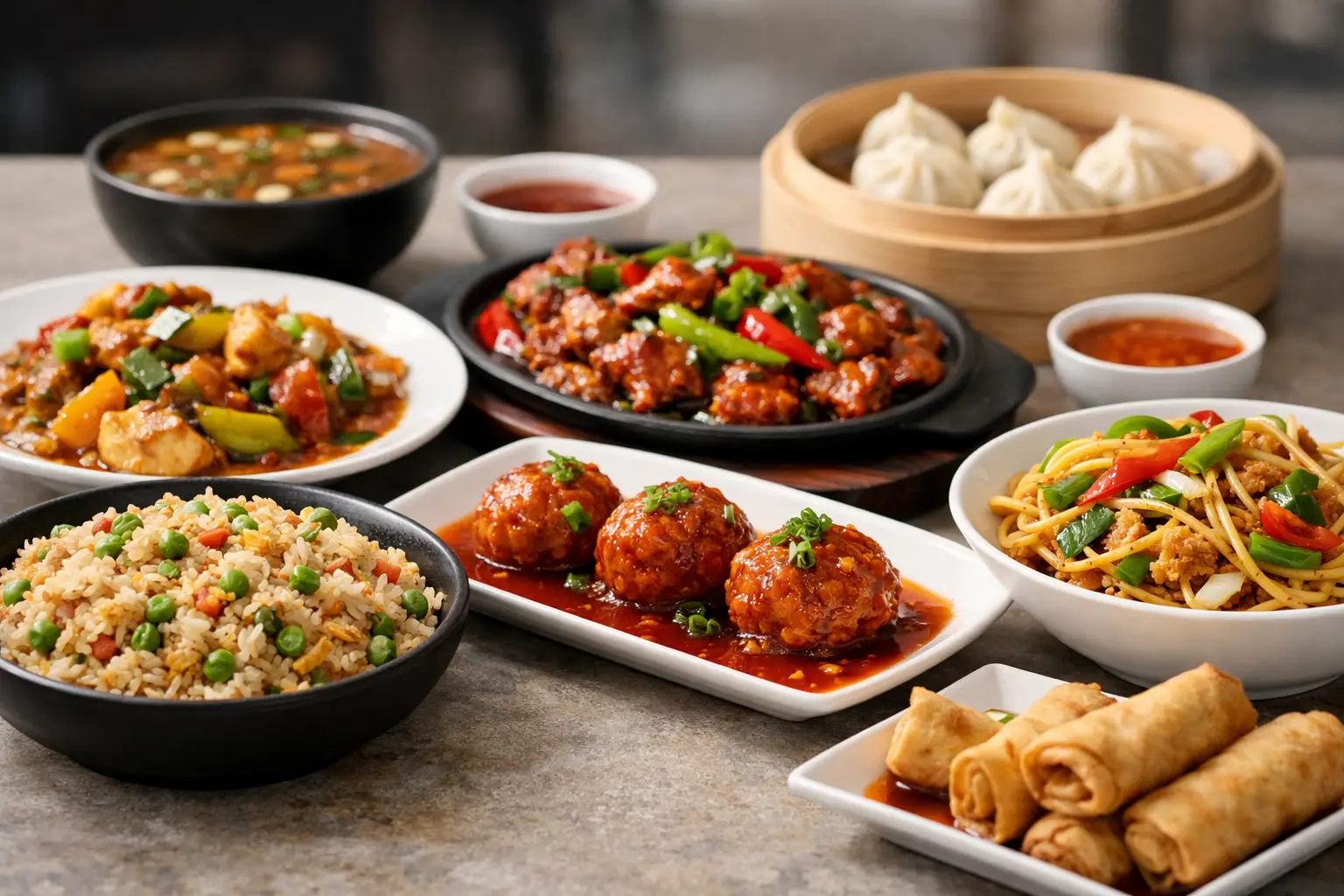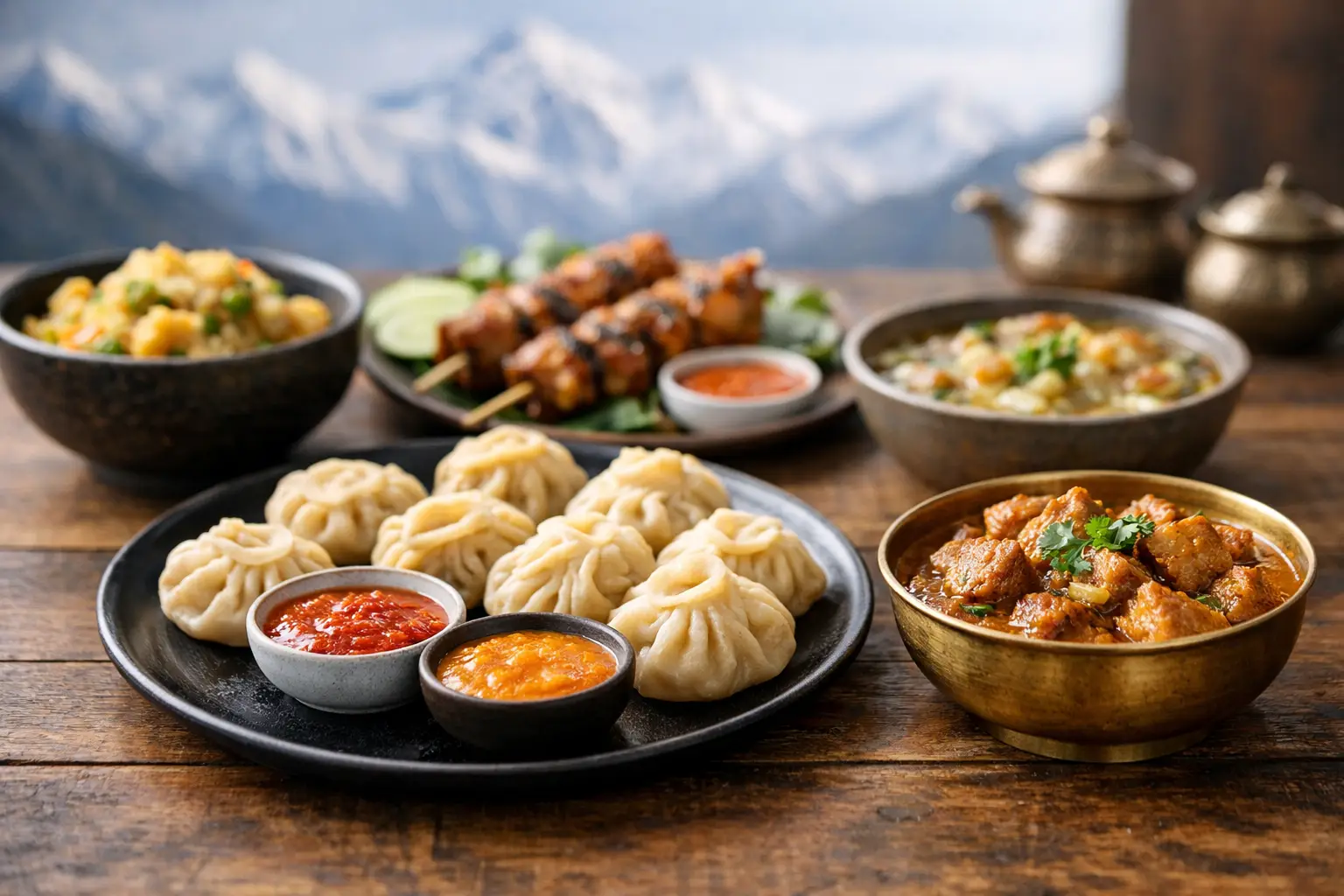

A menu filled with momos, curries, chow mein, and Newari specialties can make dinner feel more exciting than difficult. The best way to approach it is to start with what sounds comforting, then add one dish that is new to you. Knowing how to choose Himalayan dishes is less about picking the hottest item and more about finding the right balance of flavor, texture, spice, and sharing.
Himalayan food is wonderfully varied. Nepalese cooking may bring fragrant curries, steamed dumplings, lentils, and grilled meats to the table, while Newari cuisine is known for bold, deeply seasoned dishes with roasted, fermented, and spiced notes. At a restaurant that also serves Indian and Indo-Chinese favorites, there is even more room to build a meal that suits everyone at the table.
How to Choose Himalayan Dishes for Your Table
Begin with the kind of meal you want. Are you looking for a quick, satisfying lunch, a relaxed dinner with family, or a memorable meal to share with friends? A solo diner may be happy with dumplings and a curry, while a group gets the full experience by pairing starters, a shared main dish, rice or noodles, and something sweet at the end.
Your familiar favorites are a useful starting point. If you enjoy Indian curries, you may love a Nepalese chicken, lamb, vegetable, or paneer curry with rice or naan. If Chinese-style noodles are usually your choice, an Indo-Chinese chow mein or fried rice dish can feel approachable while still bringing a different spice profile. If you want to try something truly representative of Himalayan comfort food, begin with momos.
Momos are tender dumplings, often filled with chicken, vegetables, or other savory ingredients, then served steamed or fried with a flavorful dipping sauce. They are easy to share, friendly for first-time diners, and satisfying without being too heavy. For many guests, they are the ideal first taste of Nepalese cuisine.
The most satisfying order often combines one familiar choice with one house specialty. That way, there is something immediately comforting on the table and something that gives the meal its sense of discovery.
Let Flavor, Not Fear, Guide Your Choice
Many people hear “Himalayan food” and expect every dish to be intensely hot. Spice is certainly part of the experience, but heat is only one element. Aromatic spices such as cumin, coriander, turmeric, ginger, garlic, cardamom, and chili build layers of warmth, savoriness, and fragrance. A dish can be richly spiced without being overwhelmingly spicy.
If you prefer gentle heat, choose mild or medium spice and focus on creamy, tomato-based, or lightly seasoned dishes. Yogurt-based accompaniments, rice, naan, and mild curries can soften the heat while allowing the flavors to come through. This is a great path for families, cautious eaters, and anyone trying Nepalese or Newari food for the first time.
If you enjoy a stronger kick, ask for medium-hot or hot spice in a curry, stir-fry, or grilled dish. The key is to choose heat that still lets you taste the ingredients. Very spicy food can be thrilling, but it may hide the fragrant seasoning and slow down an otherwise enjoyable meal. Adjustable spice levels make it easier for one table to order boldly without leaving anyone behind.
Think About Texture, Too
Flavor gets the attention, but texture often determines what you will enjoy most. Momos are soft and juicy. Tandoori-style dishes are smoky and charred at the edges. Crispy appetizers bring crunch, while curries are saucy and comforting. Chow mein offers a satisfying bite from stir-fried noodles, and rice dishes are ideal when you want each spoonful to carry a little sauce, meat, or vegetables.
For a balanced shared meal, pair contrasting textures. Start with crispy appetizers or steamed momos, then add a saucy curry and a rice or noodle dish. That simple combination gives everyone more to taste without making the table feel repetitive.
Know What Makes Newari Food Distinct
Newari cuisine comes from the Newar community of Nepal’s Kathmandu Valley and has a character all its own. It is often more assertive than the creamy curry dishes many American diners first expect from South Asian food. Roasted spices, garlic, chili, mustard oil, sesame, and tangy fermented elements can create a savory depth that lingers pleasantly.
This does not mean every Newari dish is too intense for newcomers. It means the food is expressive. If you enjoy grilled meats, savory snacks, bold sauces, or dishes with a little tang, Newari specialties are worth trying. Ask your server which option best fits your preferred protein and spice level. A good recommendation can make an unfamiliar name on the menu feel like a personal favorite.
Newari dishes also work especially well as a shared addition to a broader meal. Order a familiar curry or noodle dish for the table, then choose one Newari specialty to taste together. It is an easy, low-pressure way to experience a different regional tradition.
Match the Dish to the Moment
The right dish depends partly on when and how you are dining. For a light lunch, momos, soup, a vegetable dish, or noodles may be enough. For dinner after a day in Philipsburg or on the beach, a warming curry with rice and fresh naan can feel especially satisfying. If you are gathering with friends, several smaller dishes create a more generous, social meal than one large entrée per person.
Families should not feel limited to the safest menu items. Start children or selective eaters with mild noodles, fried rice, plain naan, or gently seasoned chicken, then offer a taste of a dumpling or curry on the side. Adults can choose more adventurous dishes while still sharing a meal everyone enjoys. The variety is part of the appeal.
Vegetarian diners also have plenty to consider. Lentils, chickpeas, paneer, potatoes, cauliflower, spinach, and mixed vegetables are not afterthoughts in this style of cooking. They can be the center of a deeply satisfying meal. A vegetable curry with rice, naan, and momos makes a complete order, while a spicy vegetable stir-fry can be a lively choice for guests who prefer brighter flavors.
Build a Meal Around One Main Character
When the menu has many tempting choices, choose one main character for your meal. That may be a curry, a grilled protein, a noodle dish, or a Newari specialty. Then select sides that support it rather than compete with it.
For example, a rich curry benefits from plain rice or naan that can carry its sauce. A spicy noodle dish may pair better with mild momos or a cooling drink. Grilled items shine beside a fresh, simple accompaniment and a shared appetizer. Ordering this way keeps the flavors clear and makes it easier to notice what you would like to try next time.
Ask for Guidance With Confidence
There is no prize for ordering without asking questions. The most welcoming dining experiences happen when guests share what they like: chicken or vegetables, mild or hot, creamy or tangy, grilled or saucy. A knowledgeable team can point you toward dishes that match your comfort level while encouraging you to try something new.
At Newa Chopstix, the pleasure is in bringing authentic Himalayan flavors to a table that feels comfortable and cared for. Whether you are ordering a family dinner, planning a date night, or looking for a change from the usual vacation meal, a little guidance can turn a large menu into exactly the meal you hoped for.
Your first Himalayan meal does not have to be a test of adventurousness. Choose one dish that feels familiar, one that sparks curiosity, and the spice level that lets you enjoy every bite. The next favorite is often the dish you were almost too hesitant to order.