
Order butter chicken at two different restaurants and you can get two completely different meals – one lush, aromatic, and deeply satisfying, the other sugary, flat, and forgettable. That is exactly why a proper butter chicken review matters. This dish may be one of the most familiar Indian favorites on any menu, but getting it right takes more than cream and tomato.
For many guests, butter chicken is the safe choice. It is the dish people order when they want comfort, gentle spice, and something the whole table can enjoy. Families love it because it is approachable. Couples order it because it feels indulgent without being too heavy when balanced well. Travelers often choose it because it is recognizable. But familiarity can also hide shortcuts, and this is where the difference between average and memorable becomes clear.
What a butter chicken review should actually judge
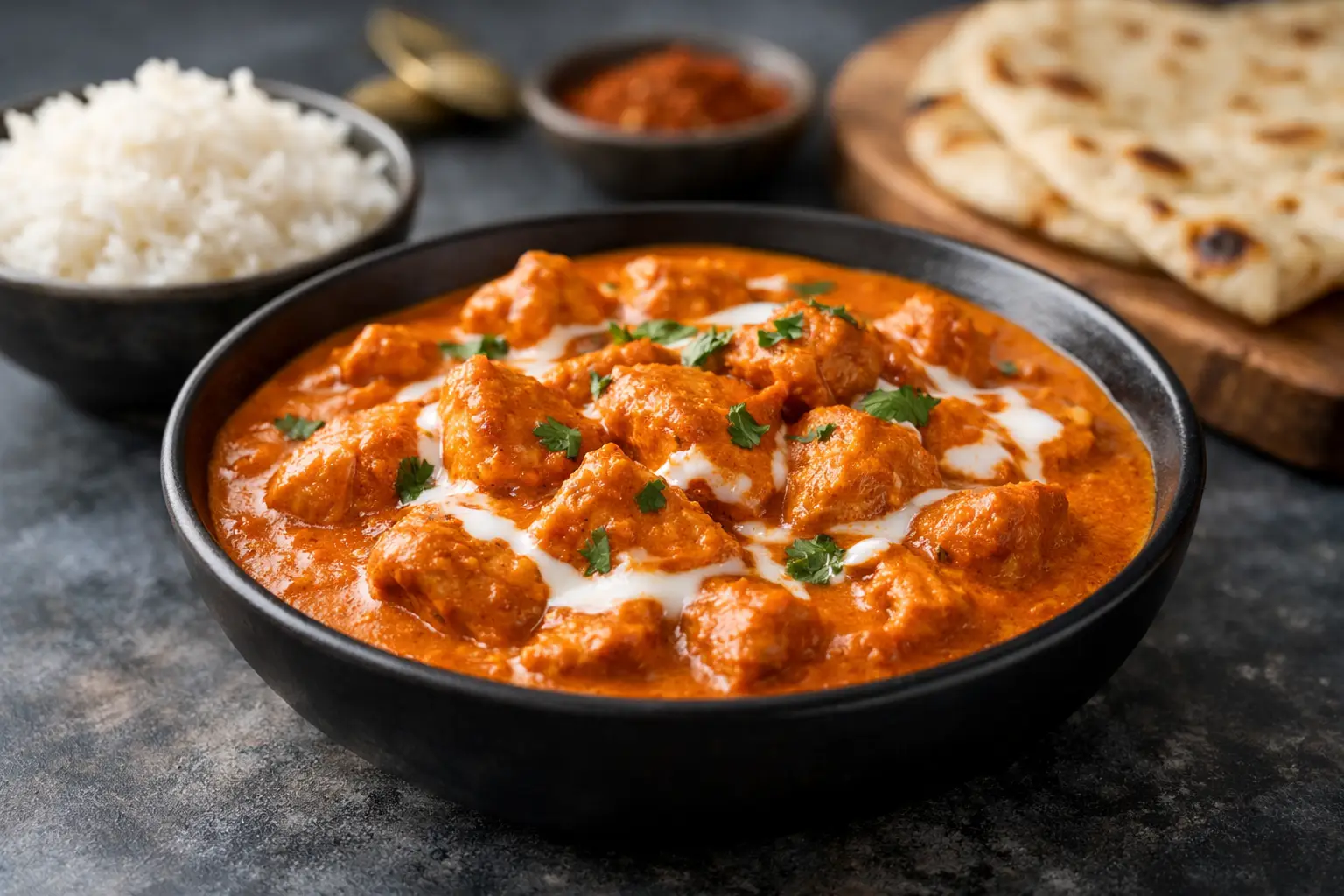
A good butter chicken review should not stop at saying the sauce is creamy or the chicken is tender. That is only the beginning. This dish works because of balance. The tomato should bring brightness, not harsh acidity. The butter and cream should round the edges, not smother every other flavor. The spices should be warm and layered, even when the heat level stays mild.
Texture matters just as much. The sauce should coat the chicken with a smooth, velvety finish, not sit watery at the bottom of the bowl or feel overly thick like gravy from a jar. The chicken should taste marinated, not simply cooked and dropped into sauce at the last minute. If there is no depth in the meat itself, the whole dish tastes one-dimensional.
Then there is aroma, which often tells the story before the first bite. A well-made butter chicken carries the scent of tomato, butter, cream, ginger, garlic, and carefully toasted spices. If the smell leans only sweet, that is usually a warning sign. If it smells rich but still fresh, you are probably in good hands.
Butter chicken review: what great butter chicken tastes like
At its best, butter chicken feels generous without becoming heavy. The first bite should be soft and comforting, but the flavor should keep developing. You want a gentle sweetness from the tomato and cream, a savory backbone from the marinade, and a spice profile that lingers warmly rather than disappearing right away.
The best versions also avoid the biggest trap of all – playing too safe. Butter chicken is often treated as the mild dish for people who do not want adventure, but it should never taste bland. Mild is not the same as boring. Even when the spice is dialed back, the dish should still have personality.
That is where experienced cooking shows. A chef who understands Indian cuisine knows that comfort food still needs structure. You should be able to notice the difference between sweetness, tang, richness, and spice. Each one should support the others. When all you taste is cream, the dish has missed the point.
A great serving of butter chicken also pairs beautifully with rice or naan because the sauce invites you to keep going. It should be satisfying enough to stand on its own but balanced enough that you do not feel overwhelmed halfway through the meal. That is harder to achieve than it sounds.
Where butter chicken often goes wrong
The most common problem is oversweet sauce. Some kitchens lean too heavily on sugar or cream to make the dish broadly appealing, and the result is closer to tomato dessert than curry. It may seem pleasant for a few bites, but it quickly becomes tiring.
Another issue is weak spice development. Butter chicken is not supposed to be fiery, but it still needs warmth and depth. If the sauce tastes like plain tomato cream with no real character underneath, it lacks the complexity that gives the dish its reputation.
Chicken quality is another dividing line. Dry chunks of breast meat can ruin even a decent sauce. Traditionally, the chicken should feel succulent, often with the flavor of yogurt, spice, and char from proper preparation. Without that, the meat becomes a vehicle rather than part of the experience.
Portion balance matters too. Too much sauce with too little chicken feels careless. Too much chicken and too little sauce loses the luxurious appeal people come for. Even the garnish plays a role. A little cream or fresh herbs can add elegance, but too much can turn presentation into distraction.
How to tell if a restaurant takes this dish seriously
You can usually tell within a few bites whether the kitchen respects the dish or simply keeps it on the menu because guests expect it. A serious version tastes layered, not rushed. The sauce feels integrated. The chicken tastes like it belonged in the dish from the start.
Customization is also a good sign when handled properly. Being able to adjust spice level is helpful, especially for mixed groups and families, but the kitchen still has to protect the structure of the dish. Lower heat should not mean lower flavor. That distinction matters.
Restaurants that care about authenticity and guest experience tend to get this right because they understand why people order butter chicken in the first place. Guests want comfort, yes, but they also want confidence. They want to know they are getting a classic prepared with care, not a generic crowd-pleaser.
In a place like Newa Chopstix, where authentic Himalayan and Indian cooking is part of the dining experience, that expectation becomes even more important. Guests are not just looking for something familiar. They are looking for familiar done properly – warm, satisfying, and full of real flavor.
Is butter chicken worth ordering if you want authentic flavor?
This depends on what you mean by authentic. Butter chicken is a beloved classic, but it is also one of the most adapted Indian restaurant dishes in the world. Some versions are very traditional in flavor balance. Others are clearly tuned for local preferences. Neither is automatically wrong, but the best restaurants know how to adapt without stripping away identity.
If you are the kind of diner who usually orders the hottest curry on the menu, butter chicken may not be the most dramatic choice. That said, it can still be one of the most satisfying if the kitchen gives it real attention. Think of it less as the boldest dish and more as a test of discipline. It reveals whether a restaurant can build flavor without relying on heat alone.
For first-time diners, it is often an excellent entry point. It welcomes the table in. It works for adults, kids, and guests with different spice tolerances. It also gives you a reliable read on the kitchen’s standards. If a restaurant cannot make butter chicken well, it raises fair questions about the rest of the menu.
Who will enjoy it most
Butter chicken is ideal for diners who want a rich, comforting meal with broad appeal. It suits date nights, family dinners, and group meals where not everyone wants intense heat. It is also a smart choice for travelers who want to enjoy Indian cuisine without guessing their way through unfamiliar flavors.
That said, people who prefer sharper spice, stronger bitterness, or more aggressive savory notes may find some versions too gentle. This is where context matters. Ordered alongside bolder dishes, butter chicken can bring balance to the table. Ordered alone, it needs enough complexity to hold your attention.
The strongest versions do exactly that. They feel welcoming at first bite and still interesting by the last one.
Final take on this butter chicken review
If butter chicken is done right, it earns its popularity. It should be creamy, yes, but also bright, spiced, savory, and carefully balanced. It should feel comforting without becoming dull. It should please a crowd without tasting like it was designed by committee.
So when you order it, do not judge it only by how mild or rich it seems. Notice whether the sauce has life, whether the chicken brings flavor of its own, and whether the whole dish feels thoughtful from start to finish. The best butter chicken does not just taste easy to like. It tastes worth coming back for.
And that is usually the clearest sign of a dish made with care – not that it feels familiar, but that it still leaves an impression after the plate is gone.