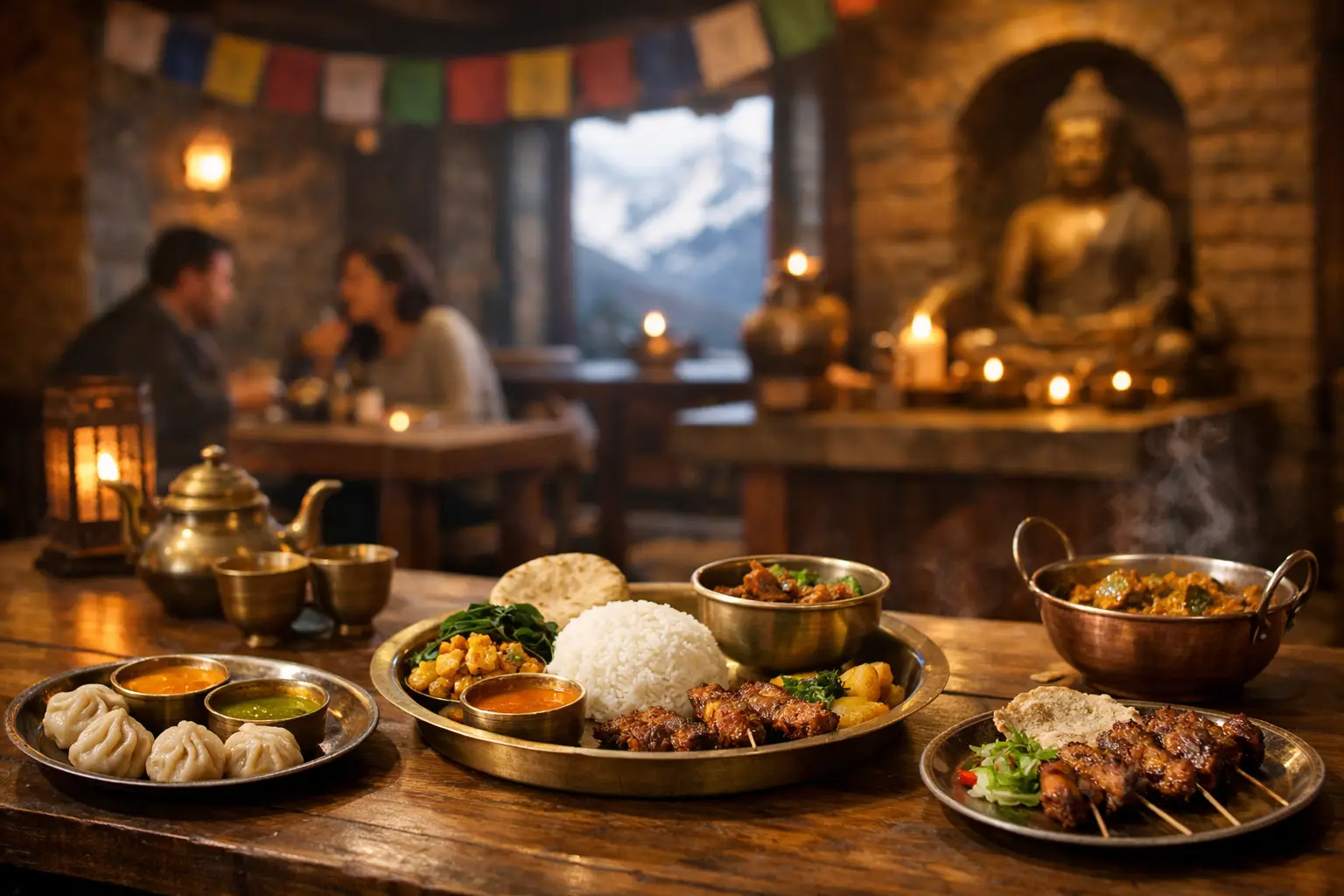

The first clue usually arrives before the first bite. It is the aroma of toasted spices, the comfort of a warm welcome, and a menu that feels rooted in something real rather than built to imitate whatever is familiar. An authentic Himalayan restaurant experience is not just about heat, exotic ingredients, or a long list of dishes. It is about food, hospitality, and atmosphere working together in a way that feels honest.
That matters even more when you are choosing where to dine on vacation or planning a meal with family and friends. You want something memorable, but you also want confidence that the flavors are true to their origins and the room feels inviting. The best Himalayan dining does both. It introduces you to something distinctive while still making you feel at home.
What defines an authentic Himalayan restaurant experience?
Authenticity starts with culinary identity. Himalayan cuisine is often grouped too quickly with generic Indian or Asian dining, but that misses the point. Food from Nepal and the surrounding Himalayan region carries its own character – deeply savory dishes, careful spice layering, earthy aromatics, comforting stews, grilled meats, hand-crafted dumplings, and recipes shaped by both geography and tradition.
A truly authentic experience does not flatten those differences. It respects them. You should be able to see that in the menu, taste it in the seasoning, and feel it in the way dishes are presented and explained.
That does not mean every restaurant must be rigid or old-fashioned. In fact, the best places know how to stay true to the heart of the cuisine while still serving a diverse dining crowd. Spice levels may be adjusted. Portions may suit families, couples, or groups. The room may feel polished and modern rather than traditional. None of that weakens authenticity if the foundation is real.
Real flavor starts in the kitchen
If a restaurant promises Himalayan food, the kitchen should show experience, not approximation. This is where authenticity becomes easy to taste. Layered sauces should have depth instead of one-note spice. Momos should feel delicate yet satisfying. Grilled dishes should carry smokiness and seasoning rather than relying only on salt or chili.
Chef skill makes a major difference here. Recipes from Nepalese and Newari traditions, along with related Indian and Indo-Chinese influences, require balance. Too much cream, too much sugar, or too much generic heat can quickly turn regional food into something made only for convenience. A kitchen with real expertise knows when to be bold and when to let the ingredients speak.
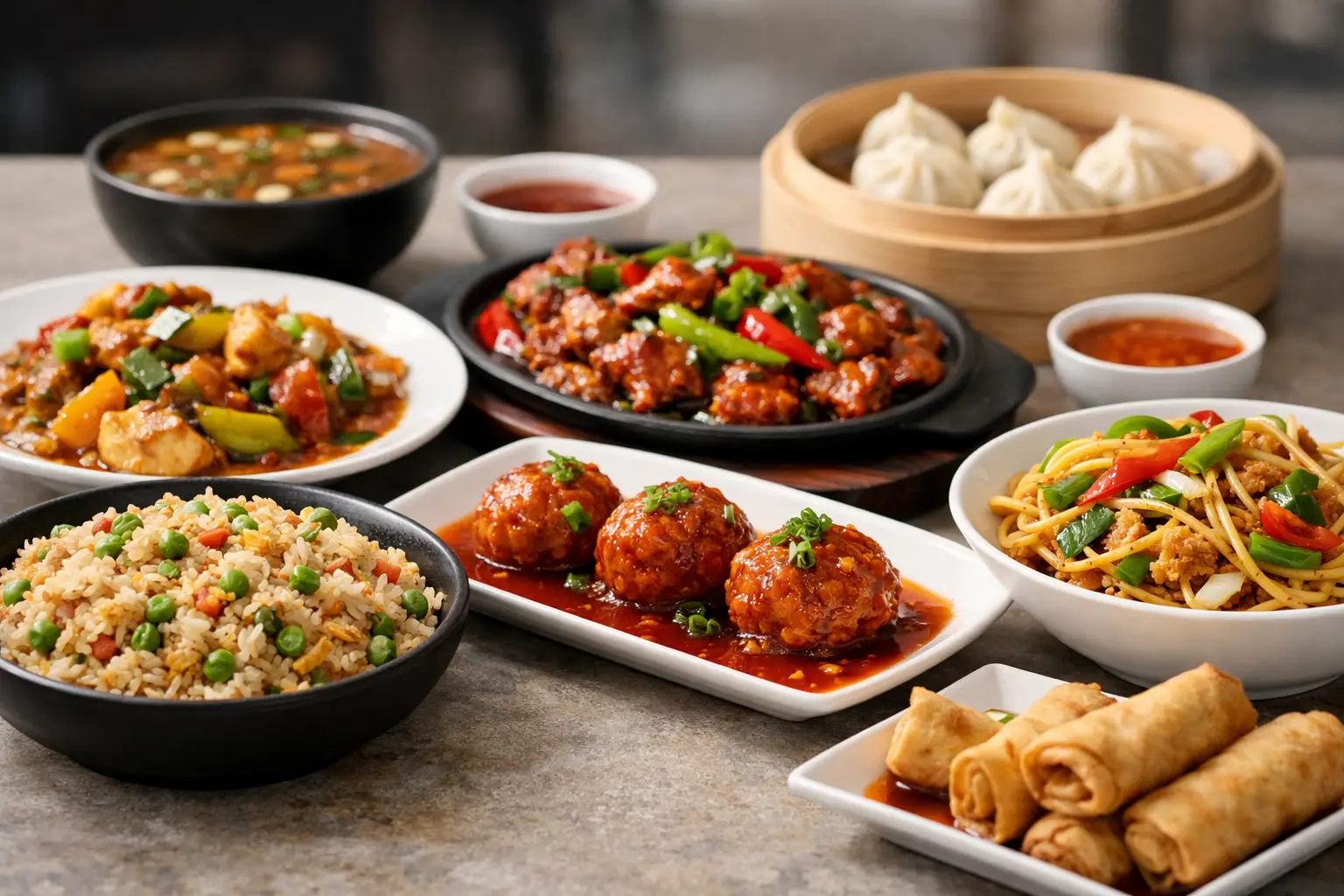
This is also why menu variety can be a strength when it is handled well. A restaurant that serves Nepalese, Newari, Indian, and Indo-Chinese dishes under one roof can offer a rich and exciting meal, but only if each category is treated with care. If everything tastes the same, authenticity gets lost. If each dish has its own identity, the experience becomes far more rewarding.
Hospitality is part of the meal
An authentic Himalayan restaurant experience is not only about what is on the plate. It is also about how you are received. Warmth matters. Attentive service matters. The feeling that you are being looked after, rather than rushed through a table turn, matters.
In many Himalayan food traditions, meals are tied closely to family, comfort, and generosity. That spirit should carry into the dining room. Guests should feel welcome whether they know the cuisine well or are trying it for the first time. A good restaurant understands that authenticity includes helping diners feel comfortable asking questions, choosing spice levels, and finding dishes that fit their tastes.
This is especially important for mixed groups. One person may want a deeply spiced curry, another may prefer a milder entrée, and someone else may be excited to try dumplings or noodles. Families may need kid-friendly choices without sacrificing quality for adults. Couples may want a dinner that feels distinctive but not intimidating. A restaurant that can handle all of that gracefully offers something far more complete than good food alone.
The room should feel inviting, not staged
Atmosphere plays a quiet but powerful role. Some restaurants mistake themed decor for authenticity, filling the room with visual references that feel forced. A better approach is a dining space that feels warm, comfortable, and thoughtfully put together.
An authentic Himalayan restaurant experience should feel lived in, welcoming, and personal. That could mean a relaxed dining room, attentive staff, and a setting that encourages people to settle in rather than eat quickly and leave. It does not have to be formal. It does have to feel sincere.
For many diners, especially travelers, this balance is what turns a meal into a memory. You are not just checking off another place to eat. You are stepping into a restaurant that has a clear point of view and knows how to care for guests.
Authentic does not mean inaccessible
This is where some diners hesitate. They want something authentic, but they worry it may be too unfamiliar, too spicy, or too hard to order. A good Himalayan restaurant removes that barrier without watering down the experience.
That can mean offering helpful descriptions, recommending popular dishes, or adjusting spice levels to suit the guest. It can also mean presenting the cuisine in a way that feels approachable for both adventurous eaters and people who simply want a satisfying dinner.
There is a trade-off here worth acknowledging. If a restaurant changes every dish beyond recognition to suit the broadest possible crowd, authenticity suffers. But if it refuses to guide or accommodate anyone new to the cuisine, the experience can feel closed off. The strongest restaurants find the middle ground. They protect the integrity of the food while making guests feel confident and welcome.
Why this experience stands out in a Caribbean setting
When you are dining in a place known for beaches, nightlife, and resort menus, finding an authentic Himalayan restaurant experience can feel unexpectedly refreshing. It offers something beyond the usual vacation dining pattern. Instead of another predictable meal, you get food with depth, personality, and cultural character.
That contrast is part of the appeal. In SXM, where visitors and locals alike have many choices, a restaurant that brings authentic Himalayan flavors into the Caribbean creates a dining experience that feels both distinctive and inviting. It speaks to travelers looking for something memorable and to residents who want more than standard casual dining.
This kind of restaurant can also bring people together in a natural way. One table may be filled with tourists eager to try something new. Another may be a family returning for favorite dishes. Another may be a group of friends ordering a mix of dumplings, curries, grilled meats, and drinks to share. That range is a sign of strength. It suggests the restaurant is not only authentic in the kitchen, but genuinely hospitable in the way it serves its community.
Signs you have found the right place
You can usually tell within the first few minutes. The menu feels confident rather than confused. The dishes sound specific. The service is warm and informed. The room feels comfortable. And when the food arrives, it tastes like it belongs to a real culinary tradition, not a shortcut version of one.
Look for balance. A strong restaurant will offer flavor, variety, and flexibility without losing its identity. It will not need to oversell itself with trend language or gimmicks. The experience will speak through the details – the care in preparation, the confidence in seasoning, the consistency of service, and the sense that guests truly matter.
That is what many diners are really searching for. Not just a meal, but a place where authenticity and comfort meet. At Newa Chopstix, that idea lives in the promise of genuine Himalayan flavor, attentive hospitality, and a setting that feels welcoming from the moment you walk in.
If you are choosing your next dinner based on more than convenience, trust your instincts. The right restaurant will not just serve you something different. It will make you want to come back for the feeling as much as the food.