
A curry that smells wonderful in the jar can still feel flat, too hot, or strangely sweet once it hits the pan. That is usually not because curry is difficult. It is because many home cooks are never shown how to choose curry spice for the dish they actually want to make.
At its heart, curry spice is about balance. Some blends are warm and earthy. Some lean bright and citrusy. Some are built for gentle comfort, while others bring a deeper roasted heat that stays with you. Once you know what to look for, choosing becomes much easier, and your food starts tasting more intentional.
How to choose curry spice for the flavor you want
The first thing to know is that there is no single “curry spice.” The word curry often describes a family of spice blends and cooking styles rather than one fixed recipe. A Nepalese-inspired curry, a North Indian curry, and an Indo-Chinese curry can all be richly spiced, but they will not taste the same.
That matters because the right blend depends on your goal. If you want a mellow, comforting chicken curry for the family, a sharp, chili-heavy blend may overpower the dish. If you want a bold lamb or goat curry with depth, a very mild yellow blend might not give you enough character.
Start by asking yourself three simple questions. Do you want the dish mild, medium, or hot? Do you want it to taste creamy and rounded, or more fragrant and lively? And are you cooking vegetables, seafood, chicken, or red meat? Those answers narrow your choices faster than focusing on brand names alone.
Heat is only one part of the story
Many people choose curry spice based only on how spicy it sounds. That is understandable, but heat and flavor are not the same thing. A good curry blend can be mild and still taste layered, aromatic, and deeply satisfying.
If you prefer mild food, look for blends where turmeric, coriander, cumin, fenugreek, and paprika lead the profile. These spices create warmth and body without aggressive heat. If you enjoy medium spice, blends with black pepper, Kashmiri chili, or a touch of cayenne can add a livelier finish without dominating everything else. For a hot curry, stronger red chilies may be part of the mix, but even then the best blends keep the aroma intact rather than offering heat alone.
In a restaurant setting, guests often ask for “flavorful, not too spicy,” and that is a very useful way to think about curry at home too. The best result is not always the hottest one. It is the one that fits the people at your table.
Match the blend to the protein or vegetable
Different ingredients carry spice differently. Chicken is flexible and works well with most curry blends, from mild yellow curry powders to darker garam masala-forward combinations. Seafood usually benefits from a lighter hand. Heavy clove, cinnamon, or very smoky spice can crowd shrimp or fish, while brighter blends with coriander, turmeric, and gentle chili often let the seafood stay present.
Vegetables depend on their character. Potatoes, chickpeas, cauliflower, and eggplant can handle earthy, fuller-bodied spice. Spinach, green beans, and mixed vegetables often shine with fresher, less dominant blends. Lamb and goat usually welcome stronger spice because they have enough richness to support it. Beef can go either way depending on the style of curry and how long it cooks.
This is where choosing curry spice becomes practical rather than mysterious. Delicate ingredients usually call for cleaner, brighter spice. Richer ingredients can carry darker, deeper blends.
What to look for when buying curry spice
Freshness changes everything. A good curry blend should smell alive as soon as you open it. You should notice distinct notes like earthiness, sweetness, pepper, or citrusy brightness. If the aroma feels dusty or weak, the flavor in the pan will usually be dull too.
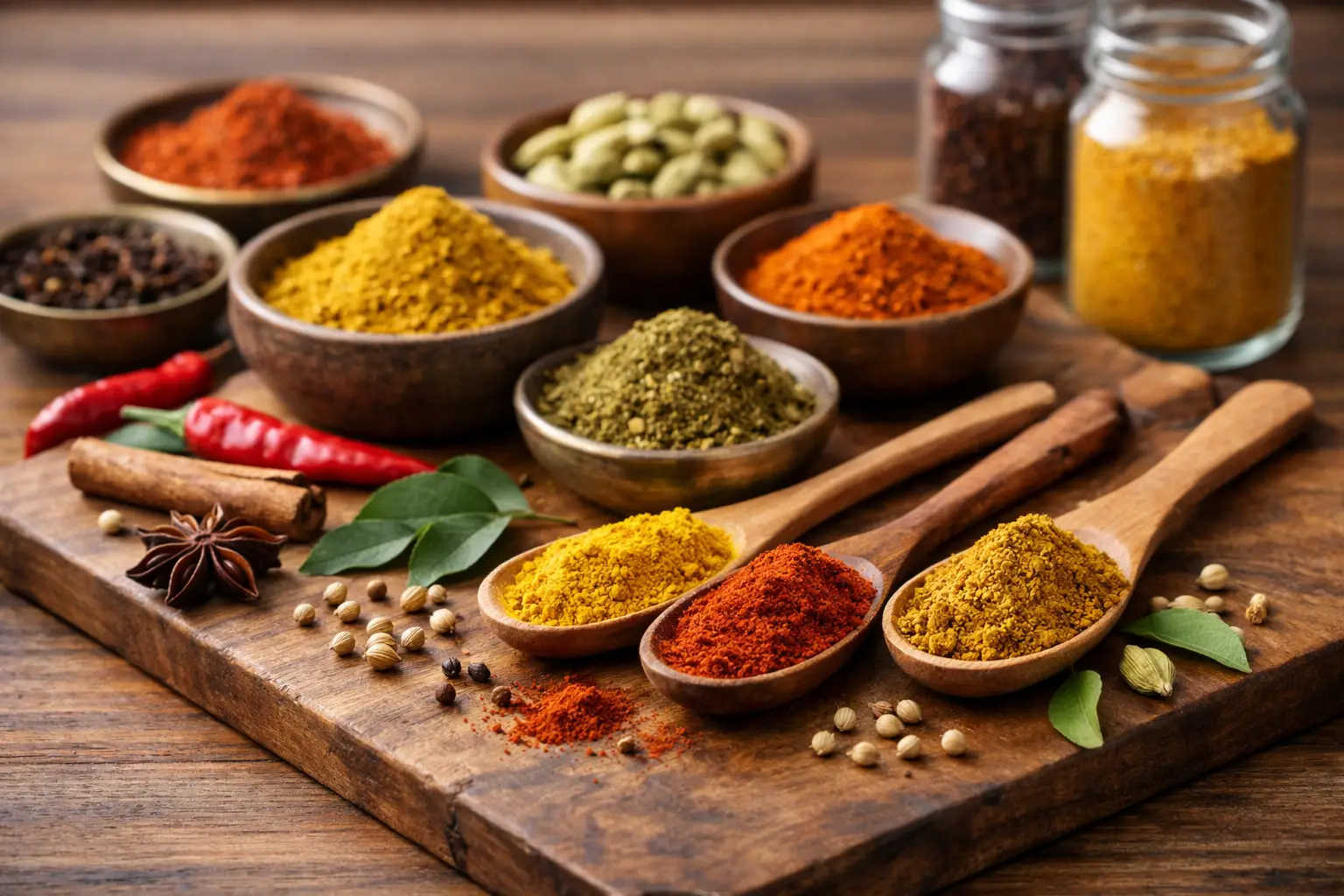
Color can help, though it is not a perfect test. A vibrant yellow may suggest fresh turmeric. A rich red-orange can point to paprika or chili. A brown-toned blend may be roasted or heavier on cumin and garam masala. None of these colors are automatically better than the others. They simply suggest a different direction.
If you can read the ingredient list, keep it simple. Spices should be recognizable. Turmeric, coriander, cumin, fenugreek, cardamom, ginger, mustard seed, black pepper, cloves, cinnamon, and chili are all common. Long lists filled with fillers, excess salt, or vague flavoring tend to give less control in the kitchen.
There is also a trade-off between convenience and precision. A ready-made curry powder is easy and reliable, especially for weeknight cooking. Building a dish from several individual spices gives you more control over the final taste. Neither approach is wrong. It depends on how much time you want to spend and how exact you want the flavor to be.
Curry powder and garam masala are not the same
This is a common point of confusion. Curry powder is usually a broader blend meant to help form the base flavor of a dish. It often includes turmeric and tends to be more savory and foundational. Garam masala is generally more aromatic and warming, with spices like cardamom, cinnamon, cloves, cumin, and black pepper. It is often added later in cooking or used to deepen the finish.
If you want a classic, all-purpose start for a home curry, curry powder is usually the easier choice. If you already have a solid base and want extra fragrance and depth, garam masala can be the better addition. Many cooks use both, but in different amounts and at different stages.
How to choose curry spice by cuisine style
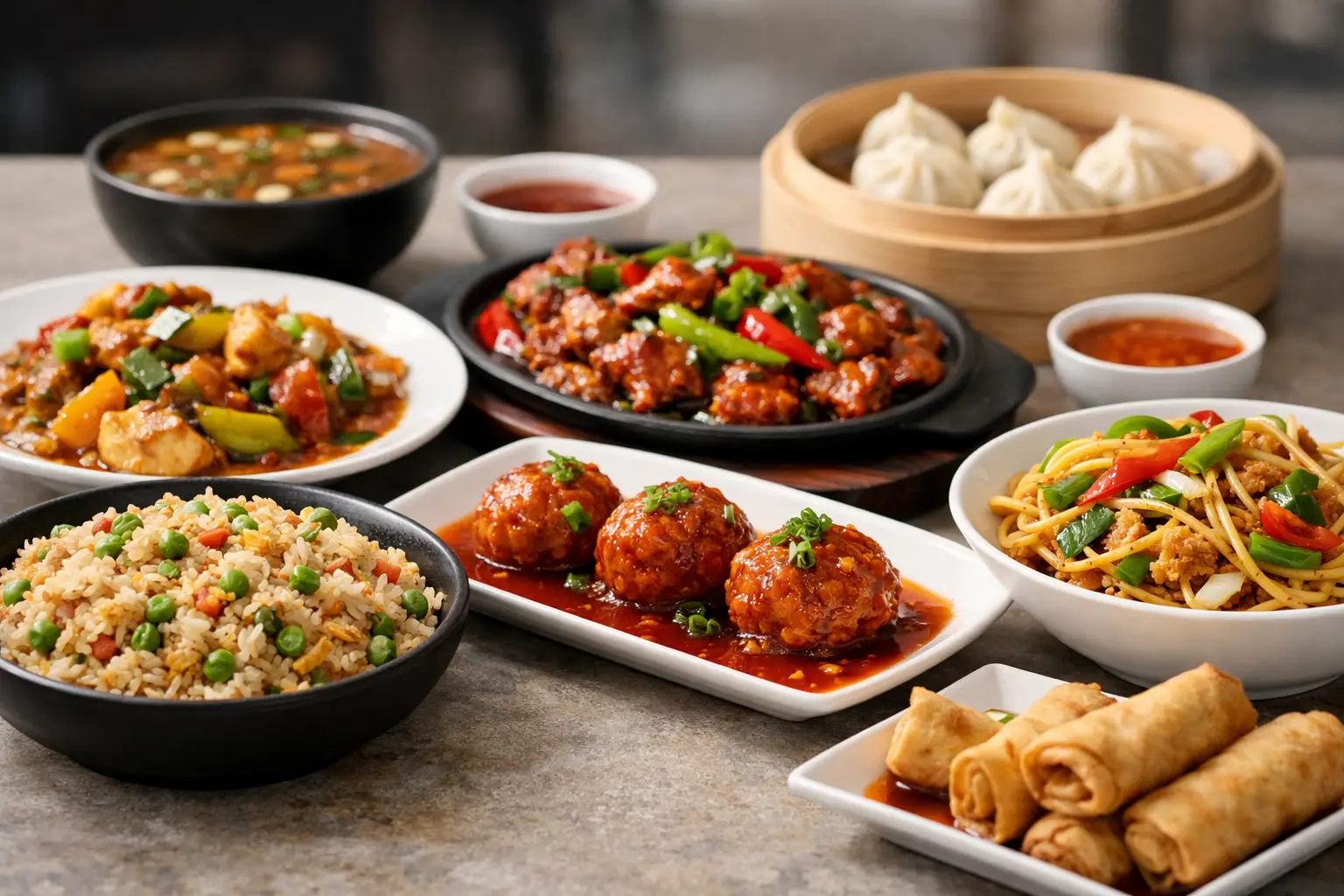
If you enjoy restaurant meals and want to recreate a similar feeling at home, it helps to think in terms of style rather than only ingredients. A creamy, mellow curry often benefits from warm, rounded spices with moderate chili. A tomato-based curry can carry more brightness and sharper spice. A dry stir-fried curry or Indo-Chinese style dish may call for bolder pepper, garlic, chili, and a more direct heat.
Nepalese and Indian cooking also show that spice should support the dish, not bury it. Authentic flavor is not about making everything taste heavily seasoned. It is about creating harmony between spice, onion, ginger, garlic, tomato, herbs, and the main ingredient.
That is why one blend will not solve every meal. A family-friendly vegetable curry and a rich lamb curry should not begin from the exact same spice profile. When people learn how to choose curry spice with the finished dish in mind, their cooking becomes more balanced almost immediately.
Taste preference matters more than rules
Traditional guidance is helpful, but your own table still matters most. Some people love the sweetness of cinnamon and cardamom in curry. Others want more cumin, coriander, and pepper. Some want a smooth sauce with gentle warmth. Others want a stronger roasted edge.
There is room for personal taste within authentic cooking. The key is adjusting with purpose. If your last curry tasted bitter, the spices may have been overcooked or too heavy on fenugreek. If it tasted flat, it may have needed more salt, acid, or fresh aromatics rather than more chili. If it tasted harsh, the blend may have been too hot for the amount of onion, tomato, or cream in the dish.
Simple ways to test a curry spice before cooking a full meal
If you are trying a new blend, do a small test first. Warm a little oil or ghee, add a pinch of the spice, and let it bloom for a few seconds. The aroma will tell you a lot. If it smells balanced and inviting, you are on the right track. If it turns bitter quickly or gives off mostly raw chili, you may need a lighter hand or a different blend.
You can also stir a small amount into plain yogurt, coconut milk, or tomato sauce and taste it gently. This gives you a clearer idea of how the spice behaves in a real dish. It is a simple step, but it saves disappointment.
At Newa Chopstix, guests often appreciate being able to choose a spice level that suits their comfort while still enjoying authentic flavor. That same idea works beautifully at home. Build around balance first, then adjust the heat.
Choosing curry spice gets easier when you stop searching for the one perfect jar and start matching flavor, heat, and ingredient to the meal in front of you. Trust your nose, pay attention to freshness, and let the dish guide the blend. A good curry should feel generous, welcoming, and full of character – just like a meal worth sharing.