A family meal can go sideways fast when the room feels too formal, the food is too spicy, or nobody seems ready for a table with kids. That is exactly why finding a kid friendly indian restaurant matters. Families are not just looking for good food. They are looking for a place where children are welcomed, parents can relax, and everyone at the table leaves happy.
Indian cuisine is often misunderstood as being automatically too hot or too complex for younger diners. In reality, it can be one of the best choices for family dining when the restaurant knows how to serve different tastes with care. The right kitchen can offer gentle spice levels, familiar textures, comforting breads, rice dishes, and rich flavors that feel exciting without overwhelming a child’s palate.
What families expect from a kid friendly indian restaurant
The first thing parents notice is not always the menu. It is the feeling of the room. A truly family-friendly restaurant has a warm atmosphere, patient service, and a sense that children are part of the dining experience, not an interruption to it.
That matters more than many restaurants realize. Families need a little flexibility. They may need an extra plate, a quick dish for a hungry child, or help choosing something mild. When staff members respond with genuine hospitality, the whole experience changes. Parents settle in. Kids feel comfortable. Dinner becomes enjoyable instead of stressful.
The food is the next big factor. A kid friendly indian restaurant should have enough variety to serve adventurous adults and cautious younger eaters at the same table. Some children will happily try buttery curries and soft naan. Others want plain rice, grilled items, or dishes with a milder seasoning profile. Good family dining does not force one version of flavor on everyone.
Flavor should be flexible, not one-size-fits-all
One of the biggest advantages of Indian and Himalayan cooking is that spice can often be adjusted. That is a major benefit for families. Adults may want deeper heat and bolder seasoning, while children usually do better with softer, balanced flavors.
This is where a restaurant shows its experience. It is not enough to simply label one dish as mild and another as spicy. Great service means guiding families toward the right choices. Creamy curries, rice-based dishes, noodle plates, momo dumplings, tandoori items, and fresh breads can all work beautifully for children when prepared thoughtfully.
There is also an important difference between spice and flavor. Many parents assume kids will reject Indian food because they hear the word spicy. But children often enjoy warm, savory, slightly sweet, or creamy dishes when the heat is kept low. Butter chicken is a classic example, but it is not the only one. Mild korma-style sauces, soft naan, vegetable fried rice, and grilled chicken can all feel familiar enough for first-time young diners.
The best family menus make room for different comfort levels
Not every child eats the same way, even within one family. Some are eager to try something new. Others want the most recognizable item on the table. A strong restaurant menu should be able to meet both kinds of diners without making anyone feel limited.
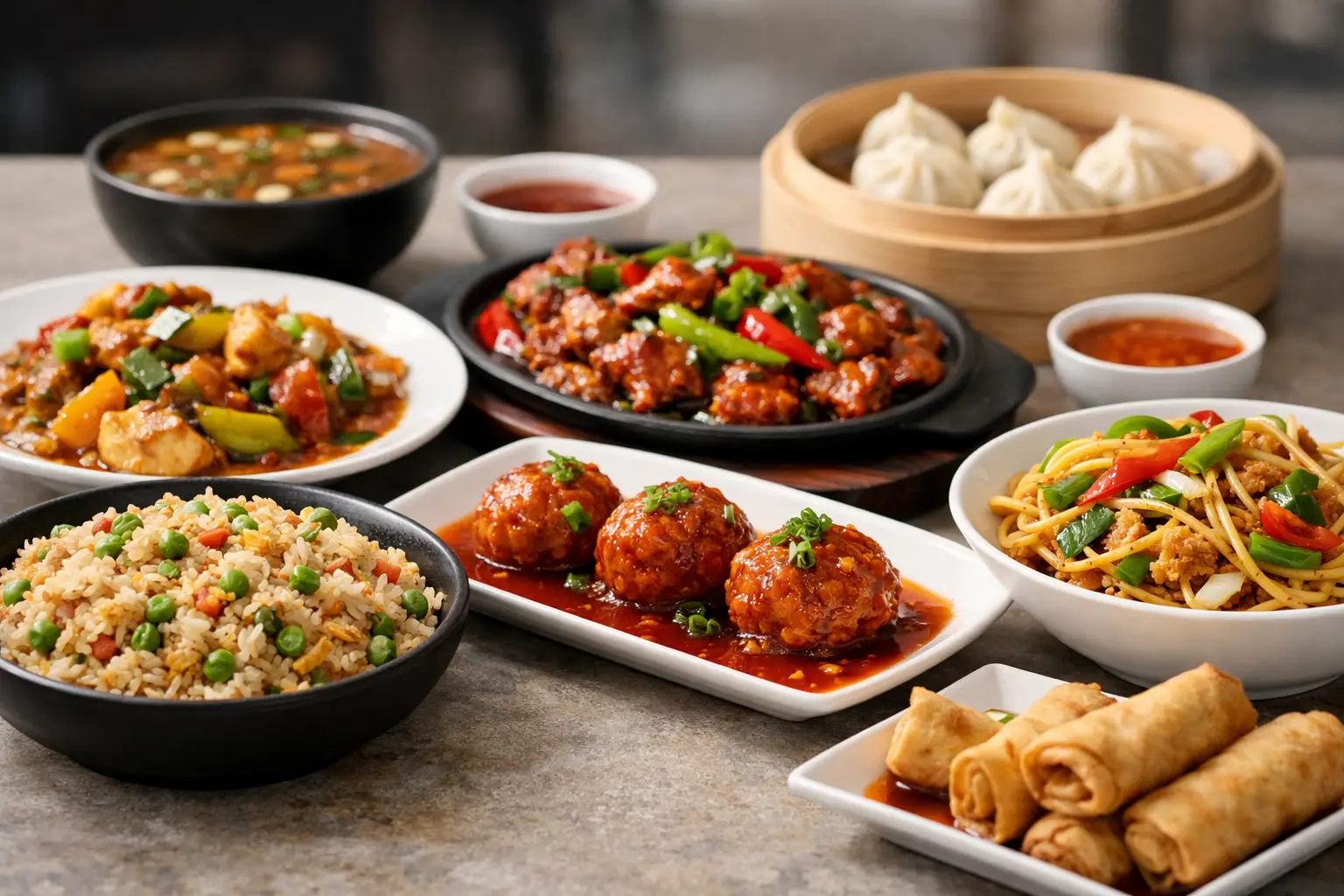
That is one reason multi-cuisine restaurants often work so well for families. When a menu includes Indian favorites alongside Nepalese or Indo-Chinese options, parents have more ways to build a meal everyone can enjoy. A child who is unsure about curry might love noodles or fried rice. Another might go straight for naan and dumplings. Parents, meanwhile, can still enjoy authentic regional dishes with full flavor and character.
This variety is especially valuable for vacation dining or group meals. Not every guest comes to the table with the same expectations. Some want something familiar. Some want a memorable cultural experience. The best family restaurants do both without losing authenticity.
Kid friendly indian restaurant signs parents should look for
A welcoming dining room is usually easy to spot once you know what matters. Families should look for a restaurant that feels attentive rather than rushed. Staff should be willing to answer simple questions, suggest mild dishes, and adjust spice levels when possible.
The menu should also offer enough range. That does not mean it needs a cartoon-style kids menu full of chicken nuggets and fries. In fact, many families prefer a restaurant that lets children enjoy real food in approachable ways. The better sign is a menu with soft breads, rice dishes, creamy sauces, grilled proteins, and shareable plates.
Portion flexibility helps too. Children often eat best when they can sample from the table rather than commit to one large plate. Restaurants that naturally support family-style dining tend to be a better fit because parents can mix and match. A little naan here, some rice there, a few bites of chicken, maybe a dumpling on the side. That feels easier for everyone.
The pace of service matters as well. Families appreciate meals that arrive in a thoughtful rhythm. If children are hungry, getting a bread basket or a simple starter out quickly can make the rest of the meal much smoother.
Why authenticity and family comfort can work together
Some people think a restaurant has to choose between being authentic and being accessible for families. It does not. In fact, the best family dining often comes from kitchens that are deeply rooted in tradition but generous in how they serve guests.
Authentic food does not have to be intimidating. It simply needs to be presented with warmth and confidence. When a restaurant understands its cuisine and its guests, it can recommend dishes that fit the moment. A family with young children may start with naan, momo, and a mild curry. A couple dining with grandparents and kids may order a wider spread with both gentle and bold flavors.
That kind of flexibility is part of real hospitality. It honors the food while making people feel at home.
In places like St. Maarten, where both locals and visitors want a memorable meal, this balance matters even more. Families are often looking for something beyond standard tourist fare, but they still want an easy, pleasant experience. A restaurant that offers authentic flavor, adjustable spice, and a genuinely welcoming atmosphere stands out for all the right reasons.
A family meal should feel easy, not like a negotiation
Parents know the signs of a difficult restaurant visit. The server seems impatient. The menu is too narrow. There is no middle ground between bland and fiery. Everyone spends ten minutes trying to figure out what the kids can eat.
A great family restaurant removes that tension. It makes decisions easier. It offers enough variety to please both adults and children. It treats questions as part of good service, not a hassle. That is often the difference between a one-time visit and a place families return to again and again.
For many guests, comfort is not only about the food. It is about trust. They want to feel confident that the kitchen can handle different preferences and that the staff cares about the experience from start to finish. When that happens, trying Indian or Himalayan cuisine as a family feels exciting instead of risky.
A restaurant like Newa Chopstix shows how well this can work. With authentic Nepalese, Indian, and Indo-Chinese dishes, adjustable spice levels, and a warm dine-in atmosphere, families can enjoy something special without giving up comfort. That balance is what turns dinner into a memory instead of just another meal.
The meals kids remember are usually the ones that feel shared
Children may not remember the name of every dish, but they remember tearing warm naan at the table, dipping into a mild sauce, or feeling proud for trying something new. Parents remember the relief of a meal that worked for everyone.
That is why the best kid friendly indian restaurant is not simply one that tolerates children. It is one that welcomes families with genuine care, serves authentic food with flexibility, and creates a setting where all ages can enjoy the experience together.
When a restaurant gets that right, dinner feels less like crowd management and more like what it should be – time together over great food.