
A Nepalese family meal is not built around one oversized entrée. It is built around the pleasure of passing dishes, tasting a little of everything, and letting rice, bread, pickles, curries, and grilled favorites meet on the same plate. This guide to Nepalese family meals helps you order with confidence, whether you are introducing children to new flavors, planning dinner with friends, or looking for a memorable meal beyond the usual vacation fare.
Nepalese food has room for gentle comfort and serious heat, but it is never only about spice. The best shared table balances savory, tangy, smoky, fresh, and creamy notes. Start with a few familiar anchors, then add one or two dishes that invite curiosity.
What Makes Nepalese Family Meals Different?
Nepal sits between India and Tibet, with food traditions shaped by mountain communities, trade routes, regional agriculture, and many ethnic cultures. That history gives Nepalese cooking a character of its own. You may recognize ingredients such as cumin, turmeric, ginger, garlic, chilies, and coriander, yet the combinations, textures, and style of eating feel distinct.
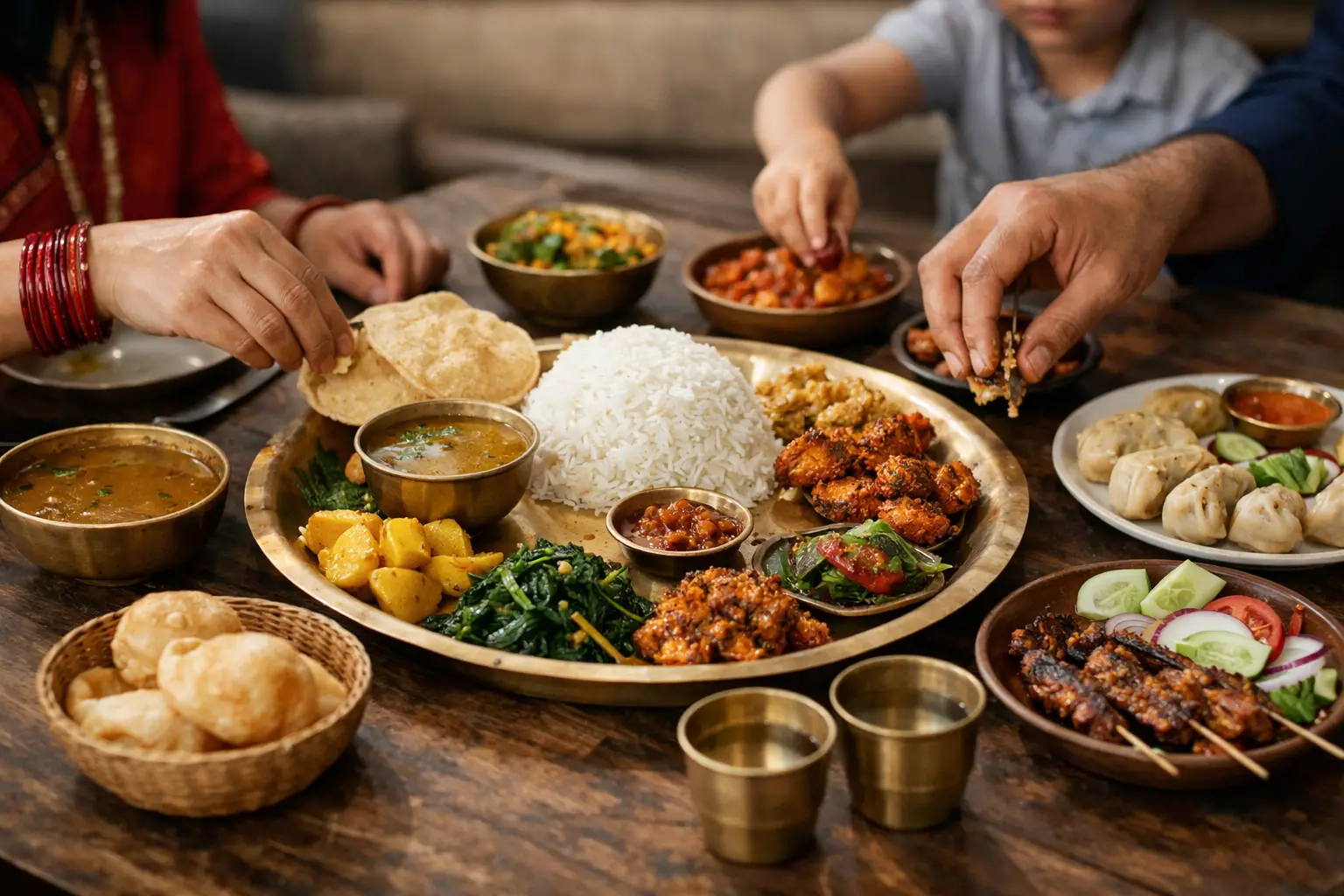
At home, many families center a meal around dal bhat: lentil soup served with steamed rice and supporting dishes such as vegetables, curry, achar, or pickle. It is practical, nourishing, and endlessly adaptable. In a restaurant setting, a family-style Nepalese meal often expands that spirit of abundance with dumplings, grilled meats, curries, breads, and shareable sides.
Newari cuisine adds another important dimension. The Newar community of the Kathmandu Valley is known for deeply seasoned dishes, roasted and grilled preparations, fermented elements, and bold accompaniments. Some Newari favorites can be richer or more intensely spiced than everyday comfort dishes, making them especially rewarding when paired with rice, bread, and milder selections.
There is no single Nepalese family menu that every household follows. A vegetarian table, a meat-focused celebration, and a quick weeknight dinner can look very different. What they share is the idea that food is best when it is generous, varied, and enjoyed together.
A Guide to Nepalese Family Meals: How to Build the Table
For a group of four, begin by thinking in layers rather than ordering four separate mains. Choose a starch, a lentil or vegetable dish, one or two protein dishes, a starter to share, and cooling or tangy accompaniments. This creates variety without leaving everyone committed to only one flavor.
Start with a familiar, shareable favorite
Momo are often the easiest introduction. These Nepalese dumplings can be filled with vegetables, chicken, or other meats, then served steamed or fried with a flavorful dipping sauce. Their tender wrapper and satisfying filling make them popular with adults and children alike.
For groups that enjoy a little more texture, add a crunchy appetizer or a grilled starter. A sizzling dish arriving at the table creates a sense of occasion, but it also gives diners a chance to sample bolder flavors before choosing their main plate. If your group is new to Nepalese food, one approachable appetizer and one more adventurous option is a smart balance.
Make rice or bread the foundation
Steamed rice is the natural partner for dal, curries, and saucy dishes. It softens heat, carries flavor, and helps everyone make a plate that suits their appetite. If your table loves tearing and sharing, add naan, roti, or another flatbread as well.
Rice and bread are not filler. They make a family meal work. A spicy curry feels more rounded with rice; a richly seasoned grilled item becomes easier to share when tucked into warm bread. Ordering both can be worthwhile for a larger group, while smaller parties may prefer choosing one foundation and saving room for another dish.
Include dal or a vegetable dish
A lentil dish brings the meal closer to the home-style heart of Nepalese dining. Dal is comforting, gently earthy, and especially useful when the rest of the order includes grilled or spicy items. It gives vegetarians a satisfying choice and gives everyone else a welcome change of pace.
A vegetable curry or stir-fry adds color and contrast. Ask about the preparation if you have dietary preferences, since recipes can vary. One vegetable dish is usually enough for a table of four, unless several guests are vegetarian or you want the meal to feel lighter and more plant-forward.
Choose proteins with contrast
Rather than ordering two similar chicken curries, look for different cooking styles. Pair a saucy curry with a charcoal-grilled or tandoori-style option. Combine tender dumplings with a crisp or sizzling entrée. A rich dish benefits from something brighter, drier, or smokier beside it.
For a mixed group, chicken is often an easy starting point, while lamb, goat, seafood, or paneer can bring more variety for diners who want a fuller tour of the menu. The right choice depends on your group. If everyone has adventurous tastes, choose one familiar protein and one regional specialty. If children or cautious eaters are joining, build around familiar textures and let one dish be the conversation starter.
Choosing Spice Levels for Everyone
Heat should add excitement, not pressure. Nepalese meals can be warmly spiced without being fiery, and restaurants can often adjust the chili level to suit the table. Be clear about what your group means by mild, medium, or hot, because spice tolerance is personal.
For family dining, a practical approach is to order most dishes mild to medium and select one hotter dish for those who enjoy it. Rice, bread, yogurt-based sides, and milder lentil dishes can help balance a spicy bite, but they cannot completely remove heat. If someone is very sensitive to chili, ask for a truly mild preparation rather than assuming a creamy-looking dish will be gentle.
Also remember that spice and flavor are not the same thing. Aromatic herbs, toasted spices, garlic, ginger, and tangy achar can make a dish taste vivid even at a lower heat level. Choosing mild does not mean missing the character of the cuisine.
The Small Dishes That Make the Meal Feel Complete
Achar, Nepalese pickle, can be one of the most memorable parts of the table. It may be fresh, fermented, fruity, or chili-forward, and a small spoonful can transform a bite of rice or grilled meat. Because its flavor is concentrated, treat it as an accent rather than a side dish to finish on its own.
If available, cooling accompaniments are equally useful. Yogurt, cucumber-based sides, or a simple salad can refresh the palate between richer dishes. These choices matter most when your meal includes fried starters, grilled meats, or a few spicy curries.
Dessert deserves consideration, especially for a group with children or anyone trying new foods for the first time. A sweet ending gives the meal an easy final note and turns dinner into an occasion rather than just another reservation.
Ordering for Different Types of Groups
For two people, sharing one appetizer, one rice or bread, and two contrasting mains is usually plenty. Choose a dumpling or grilled starter, then pair a curry with a dry or sizzling dish. You will have variety without turning the table into a crowded buffet.
For four to six people, add dal or a vegetable dish, two starch options if appetites are strong, and three protein choices with different flavors. This is the ideal size for a true family-style meal because everyone can sample widely. Larger groups may benefit from setting a few boundaries: choose a general spice level, ask about portion sizes, and include enough vegetarian-friendly dishes so no one is limited to side items.
Families with children do not need to avoid the menu’s more traditional flavors. Start with dumplings, mild grilled chicken, rice, and bread, then offer small tastes of curry or pickle without forcing the experience. Children often enjoy being able to build their own plate, and adults get to enjoy the more complex dishes at their own pace.
Make It a Meal Worth Lingering Over
The most satisfying Nepalese family meals are ordered with a little patience. Let the first dishes arrive, pass plates freely, and try combinations before deciding what you like best. A bite of grilled meat with achar may become your favorite, while someone else may return again and again to dal and rice.
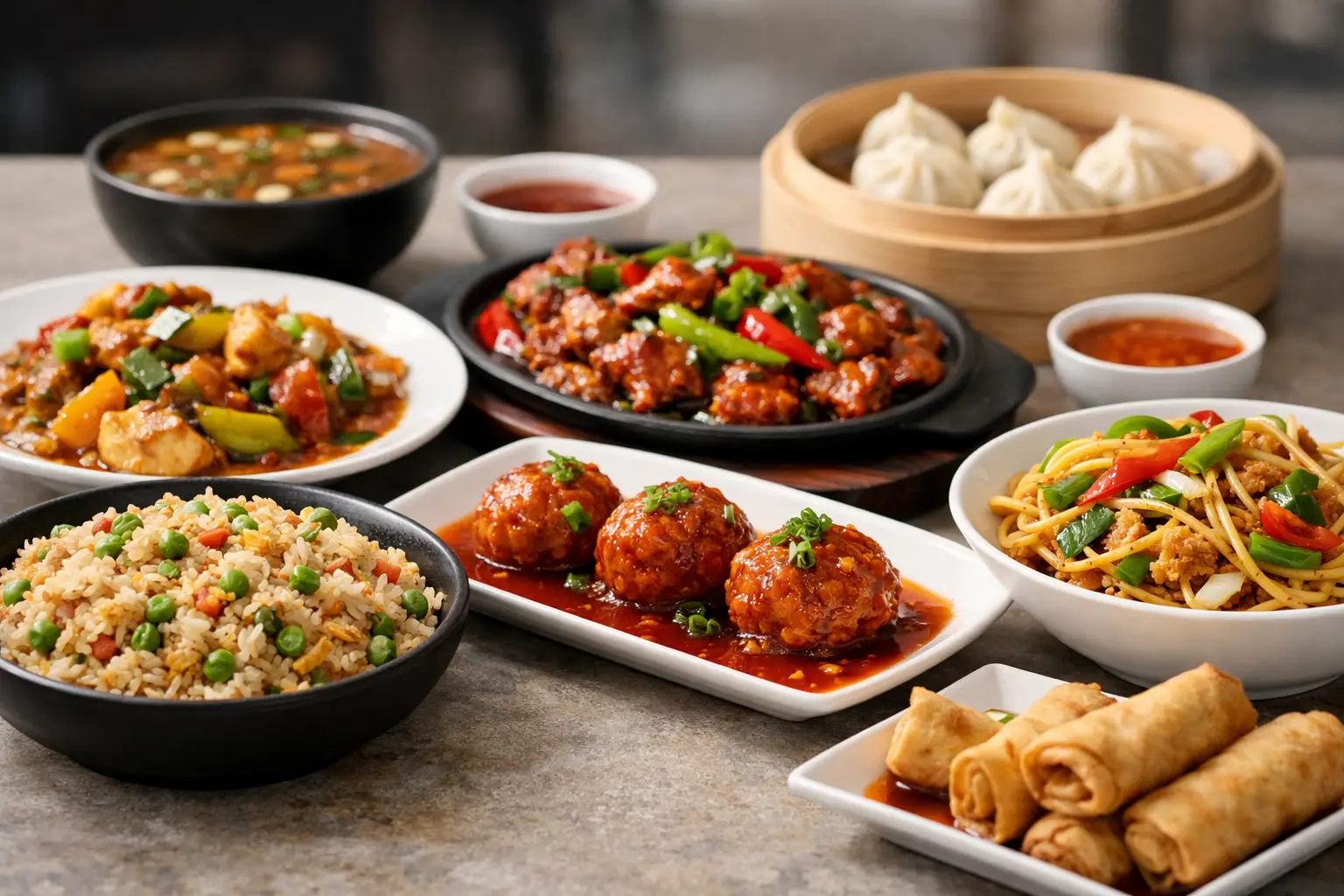
At Newa Chopstix, that shared-table spirit meets a warm Caribbean dining setting, with Nepalese and Newari flavors alongside Indian and Indo-Chinese choices for groups with varied tastes. Ask for guidance on portion sizes, spice levels, and dishes that complement one another. The best order is not the most complicated one – it is the one that lets every guest feel welcome at the table and leave with a new favorite.