
A good family dinner usually falls apart the same way – one person is starving, another wants something mild, someone else is craving comfort food, and nobody wants to spend the whole evening figuring it out. If you are wondering how to plan family dinner in a way that feels easier, the answer is not making it fancy. It is making it thoughtful, flexible, and realistic for the people at your table.
Family dinner works best when it feels welcoming, not forced. Some nights that means a full home-cooked meal. Other nights it means ordering food everyone is genuinely excited to eat and sitting down together without the rush. The goal is not perfection. The goal is a meal that brings people together, fits your schedule, and leaves everyone satisfied.
How to plan family dinner around real life
The biggest mistake families make is planning dinner for an ideal evening instead of the one they are actually having. A Tuesday after work, school pickup, errands, and traffic needs a different plan than a slow Sunday evening. Before you choose the food, think about the night itself.
Start with timing. If dinner needs to happen in 30 minutes, choose something simple or pre-decided. If you have time to sit, share, and enjoy a wider spread, you can lean into dishes meant for the table. When the plan matches the pace of the evening, dinner feels easier from the start.
It also helps to know who is joining and what they will enjoy. Families often include different spice preferences, different appetites, and different comfort levels with trying new dishes. A successful dinner plan does not ignore that. It makes room for it. One of the easiest ways to do that is to choose a meal with variety, where mild and bold flavors can sit side by side.
Build dinner around three simple decisions
If planning dinner feels tiring, reduce it to three choices: the main dish, something to share, and one familiar favorite. That small structure takes away the pressure of building a perfect menu from scratch.
The main dish should match the mood of the night. On busy evenings, rice bowls, noodles, curries, or stir-fried dishes make sense because they are satisfying and complete. On more relaxed nights, family-style dishes create a better experience because they encourage sharing and conversation.
Something to share adds warmth to the table. That might be appetizers, breads, dumplings, or a side everyone can reach for. Shared dishes help dinner feel generous without requiring too much extra planning.
The familiar favorite matters more than people think, especially when kids or mixed-age groups are involved. If one person is adventurous and another is cautious, a familiar item keeps the meal comfortable for everyone. That balance is often what turns dinner from stressful into enjoyable.
How to plan family dinner when everyone wants something different
This is where many dinner plans fail. One person wants rich and savory food, another wants something lighter, and someone else wants no spice at all. Instead of trying to force one perfect dish on everyone, plan for range.
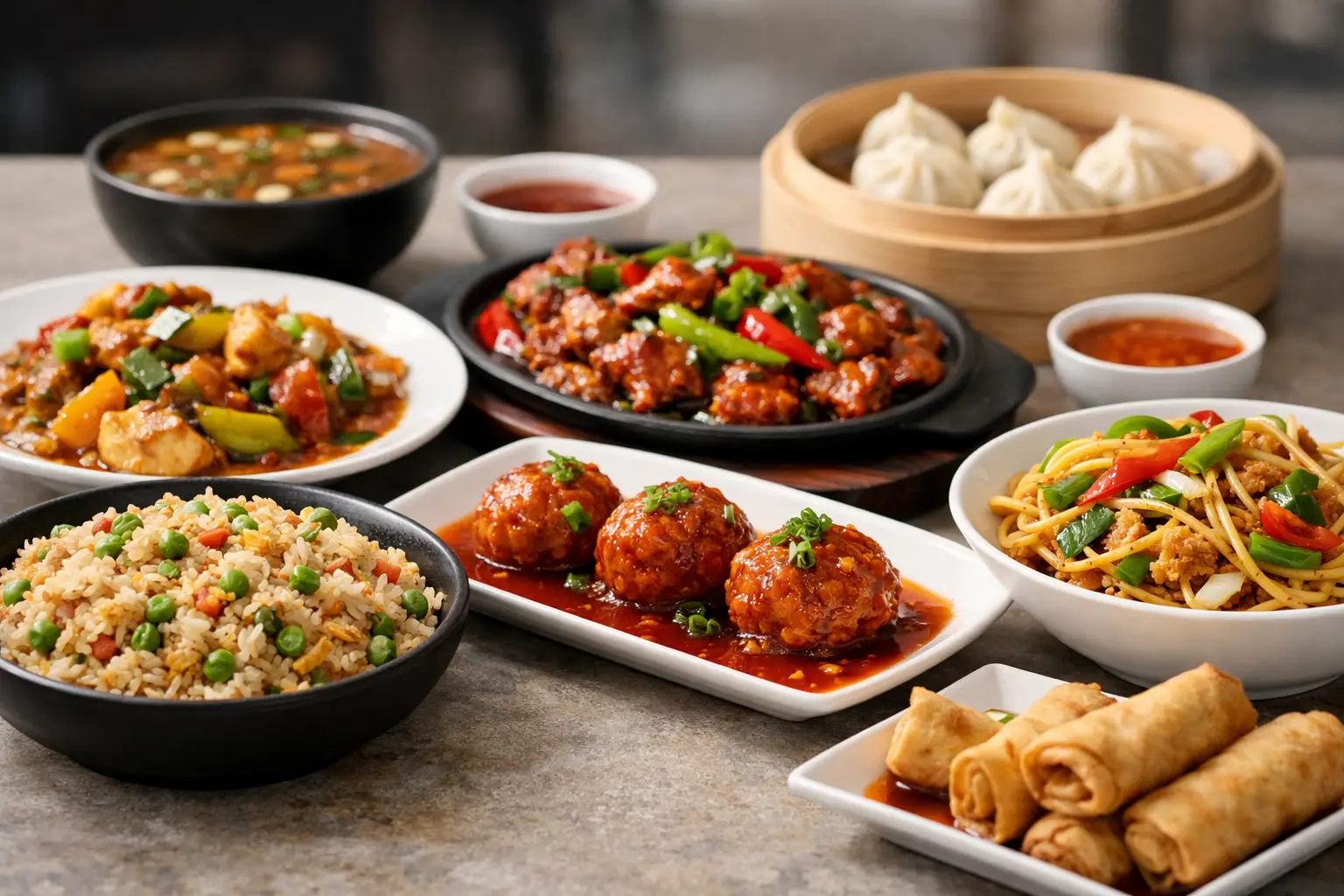
Choose a menu style that naturally offers options. Multi-cuisine meals work especially well for families because they let different tastes coexist without feeling disconnected. You might have one comforting curry, one noodle dish, rice, a mild appetizer, and a bolder plate for the people who enjoy heat. Dinner still feels like one meal, but nobody feels left out.
Spice level is another important detail. A lot of families avoid flavorful cuisine because they worry it will be too strong for children or older relatives. In reality, adjustable spice levels can solve that problem. Milder dishes let cautious eaters enjoy the meal, while extra heat can be added for those who want it. That kind of flexibility makes family dinner much easier to plan.
There is also a trade-off worth mentioning. If you plan too much around the pickiest eater, everyone else may end up bored. If you only plan for the adventurous eaters, someone may go hungry. The sweet spot is a table with a few dependable choices and one or two more distinctive flavors.
Think beyond cooking from scratch
Family dinner does not only count when every dish comes from your kitchen. For many households, the smartest plan is the one that protects time and energy. If ordering in allows your family to sit down together in a relaxed way, that is still a successful dinner.
This is especially true for families on vacation, locals with busy schedules, or groups trying to please different age ranges at once. A restaurant meal or takeout order can often provide more variety than a rushed home-cooked dinner, and variety is exactly what helps family meals go smoothly.
Authentic dishes with broad appeal tend to work well because they bring comfort and discovery together. You can keep familiar favorites on the table while also introducing something new. That gives dinner a sense of occasion without making it difficult.
For example, a family meal built around Nepalese, Indian, and Indo-Chinese flavors can satisfy very different cravings at once. Some guests may want rich curry and rice, others may prefer noodles or fried rice, and children may gravitate toward milder, approachable dishes. That flexibility is one reason many families choose places like Newa Chopstix when they want dinner to feel both special and easy.
Make the table feel welcoming
Planning the food is only part of it. The atmosphere matters just as much. Family dinner does not need elaborate decorations or a formal setup, but it should feel intentional.
Set the table, even if the meal is simple. Put the food out in a way that invites sharing. Turn off distractions for a little while. These small choices change the energy of the evening. Dinner becomes more than refueling. It becomes time together.
If you are dining out, the same principle applies. Choose a place where the service feels attentive and the room feels comfortable, especially when children, grandparents, or visitors are part of the group. Good hospitality makes family dinner easier because you are not managing every detail yourself.
This matters even more when people are traveling. Visitors often want a meal that feels memorable but still comfortable enough for the whole family. A warm dining room, reliable service, and menu variety make a big difference.
Keep a loose dinner rhythm
One of the best answers to how to plan family dinner is to stop reinventing it every night. A loose rhythm can make decisions faster without making meals feel repetitive.
You might keep one night for takeout, one night for a shared comfort meal, and one night for trying something different. You might save larger family dinners for weekends and keep weekday meals simpler. The exact pattern depends on your household, but consistency helps.
It also makes budgeting easier. When you know which nights call for convenience and which nights leave room for cooking, you can plan with less waste and fewer last-minute choices. That is good for both your schedule and your wallet.
Still, leave room for flexibility. Some weeks are busier than expected. Some evenings deserve a better meal than the original plan. Family dinner should support real life, not create more stress around it.
What makes a family dinner feel successful
A successful family dinner is not measured by how much work went into it. It is measured by whether people felt cared for, well fed, and happy to stay at the table a little longer.
That usually comes down to a few things. The food should be satisfying. There should be enough variety for different preferences. The pace should feel comfortable. And no one person should carry the whole burden of making the evening happen.
If you keep those standards in mind, planning gets easier. You stop chasing a picture-perfect meal and start creating one that fits your family. Some nights that means homemade comfort food. Some nights it means letting experienced cooks handle dinner so you can focus on the people beside you.
When family dinner feels warm, generous, and easy to enjoy, people remember it for the right reasons. Start there, and the plan gets a lot simpler.