
Some family dinners fall apart before the food even arrives. One person wants something mild, another wants extra spice, the kids only agree on noodles, and nobody knows how much to order. If you have ever wondered how to order family dinner in a way that keeps everyone happy, the good news is that it gets much easier once you stop ordering item by item and start ordering like a host.
A good family dinner order is not just about picking popular dishes. It is about balance, portion planning, timing, and knowing your group. When you approach it that way, dinner feels generous and relaxed instead of rushed or disappointing.
How to order family dinner for different appetites
The first mistake most people make is ordering for preferences only and forgetting appetite. A family table usually includes light eaters, big eaters, cautious eaters, and at least one person who wants to try everything. That means a smart order needs range.
Start by counting adults, older kids, and younger kids separately. Older kids often eat closer to adult portions, while younger children may share. This gives you a more realistic sense of how much food your table actually needs. If you order as though every child will eat a full portion, you may end up with too much. If you underestimate a group of hungry teens, dinner can feel skimpy fast.
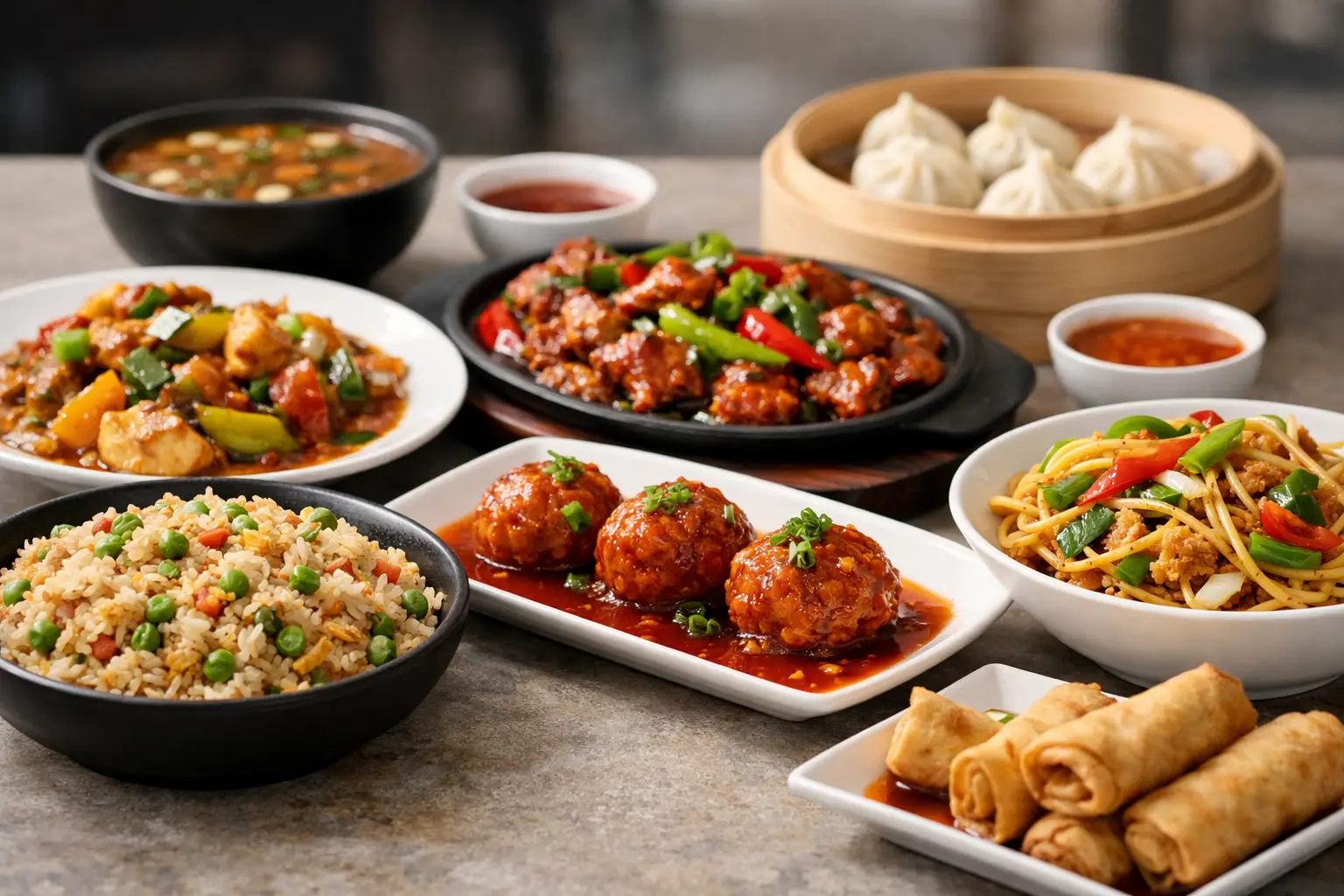
A balanced family meal usually works best when you mix a few familiar dishes with one or two more adventurous choices. That way, nobody feels forced into trying something unfamiliar, but the meal still feels special. This matters even more when you are ordering from a restaurant with Nepalese, Indian, Newari, or Indo-Chinese flavors, where the menu offers much more than the usual takeout routine.
Rice, noodles, grilled items, and saucy mains tend to work especially well together because they give everyone options. A family dinner should feel easy to build on the plate. The more flexible the spread, the easier it is to please both selective eaters and curious ones.
Build the order around shareable variety
The easiest way to order family dinner is to think in categories instead of individual meals. Rather than asking each person to choose one entree, build a table with a few strong anchors.
Start with one or two main protein dishes. Then add a vegetable-based option, a starch such as rice or noodles, and something snackable or crowd-pleasing to open the meal. This creates the kind of dinner where people can mix and match instead of guarding their own container.
That shared format works especially well for families because tastes rarely line up perfectly. Someone may love chicken in a rich sauce, while another prefers stir-fried noodles with vegetables. Someone else may want bold spice but still appreciate a cooling side. A mixed order leaves room for all of that.
This is also where authenticity becomes part of the experience. A well-chosen family dinner can introduce everyone to deeper flavor without making the meal feel complicated. Familiar ingredients prepared with Himalayan, Indian, or Indo-Chinese character often land better with groups than dishes that feel too narrow or too spicy from the start.
Think carefully about spice levels
Spice level can make or break a family order. When families have mixed tolerance, it is usually better to keep most dishes at a mild or medium heat and add one bolder option for the people who want more intensity.
That approach gives you flexibility. It is much easier for heat lovers to add spice through a hotter dish than it is for someone sensitive to recover from a meal that is too fiery overall. Children, older adults, and guests unfamiliar with certain cuisines often enjoy the flavor more when the spice does not overwhelm the dish.
At the same time, mild should not mean bland. A good restaurant knows how to keep depth, aroma, and character even when the heat is dialed back. That is especially important when ordering for a group, because you want everyone to enjoy the cuisine, not just tolerate it.
If your family splits right down the middle on spice, order across the spectrum. Keep the staples approachable, then let one or two dishes carry more heat. That gives adventurous eaters the excitement they want without turning dinner into a negotiation.
Do not ignore texture and pacing
One overlooked part of family ordering is texture. If everything on the table is rich, saucy, or heavy, the meal can feel one-note halfway through. If everything is dry or mild, it can feel forgettable. The best family dinners include contrast.
A crisp appetizer, a comforting curry, a stir-fried noodle dish, fluffy rice, and something grilled can work together beautifully because each bite feels a little different. Texture keeps people interested, especially kids who may reject a dish based on feel before flavor.
Pacing matters too. If the order includes an appetizer or starter that people can snack on right away, the mood stays better while the rest of dinner is set out. This is helpful at home, in a hotel, or even for a casual evening after a day out. Hungry people are rarely patient people.
Portion planning without overordering
Most families either underorder because they do not want waste or overorder because they are afraid of running out. The sweet spot is somewhere in the middle.
If you are ordering several dishes for sharing, think about how filling each one is. Rice and noodle dishes stretch the meal. Rich curries and sauced entrees often go farther than grilled items alone. Fried starters disappear fast, so they should not be counted as the main food source if everyone is truly hungry.
For many family groups, a combination of a few mains plus shared sides works better than ordering a separate entree for every person. It creates better variety and often feels more generous. It can also be more economical, especially when younger children are part of the group.
Leftovers are not always a bad outcome. In fact, with well-made food, leftovers can make the next day’s lunch easy. The problem is only when the order is so uneven that you have too much of one thing and not enough of what people actually wanted.
How to order family dinner when kids are involved
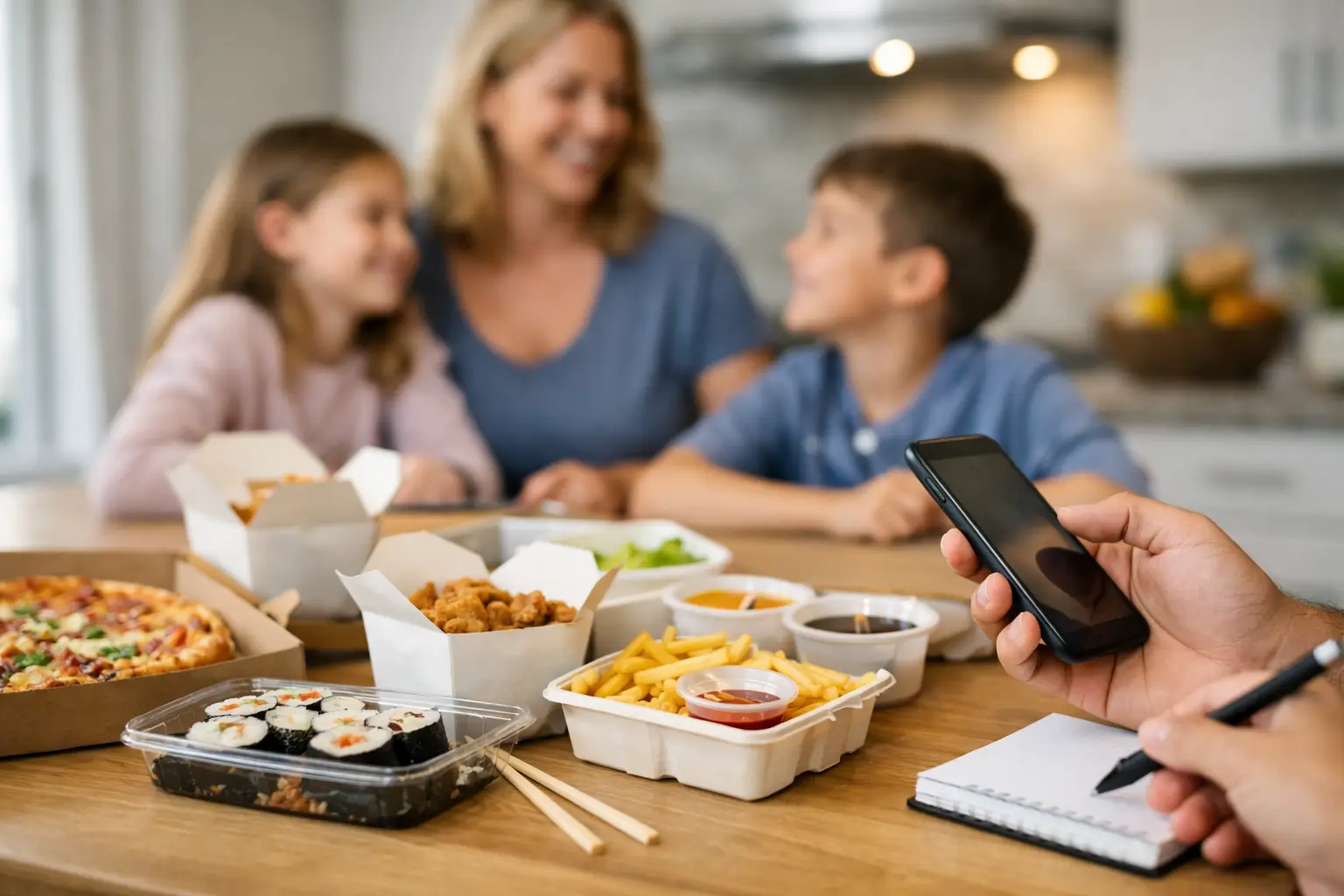
Families with children need a slightly different strategy. Kids usually care less about culinary categories and more about comfort, familiarity, and appearance. That does not mean you have to order only plain food. It means you should include at least one or two safe favorites in the spread.
Noodles, fried rice, grilled chicken, dumplings, and mild sauces tend to be dependable options. Once those are on the table, children are often more willing to sample something new from a parent’s plate. Shared dining makes that easier because trying one bite feels low-pressure.
It also helps to avoid ordering every dish at the same spice level. When there is a clear mild lane for kids and cautious eaters, the whole family can relax. Nobody has to wonder whether dinner will become a problem the moment the containers open.
This is one reason many families enjoy ordering from places with broad menu variety. A restaurant that can offer bold flavor for adults, milder options for children, and enough choice for different dietary preferences makes family dining feel less like compromise and more like hospitality.
Make timing part of the plan
Even the best order can disappoint if it arrives too early, too late, or at the wrong moment in the evening. Family dinner works best when timing matches real life.
If you are ordering after a beach day, excursion, or long workday, think ahead about when everyone will actually be ready to eat. Younger kids may need food earlier. Adults may want a fuller, more relaxed meal later. If your group is in transition between activities, a few shareable appetizers can buy time while everyone settles in.
For dine-in family meals, reservations can help avoid that awkward hungry wait, especially with larger groups. For takeout or delivery, ordering before peak rush times often gives you a smoother experience. Convenience matters, but so does making sure the meal lands when everyone can enjoy it together.
Choose a restaurant that understands family dining
Not every restaurant is equally suited to family dinner. Some are excellent for date night but not built for mixed ages and mixed tastes. Others understand how to serve a table where everyone wants something a little different.
A strong family-friendly restaurant offers menu range, adjustable spice levels, generous portions, and service that feels attentive rather than rushed. It should make guests feel comfortable asking questions and confident that the order will suit the group.
That is part of what makes Newa Chopstix appealing for family dining. The menu gives families room to choose across Nepalese, Newari, Indian, and Indo-Chinese favorites, with enough variety to keep both careful eaters and adventurous ones satisfied. When a restaurant combines authentic flavor with a warm, home-like experience, dinner feels easier from the start.
The best family orders feel generous, not complicated
If you want to know how to order family dinner well, think less about perfection and more about comfort, balance, and choice. Give your table a few familiar favorites, a few standout flavors, and enough flexibility for different appetites. That is usually the difference between a meal people simply eat and one they genuinely enjoy together.
A family dinner does not need to be fancy to feel memorable. It just needs to arrive with enough care that everyone at the table feels considered.